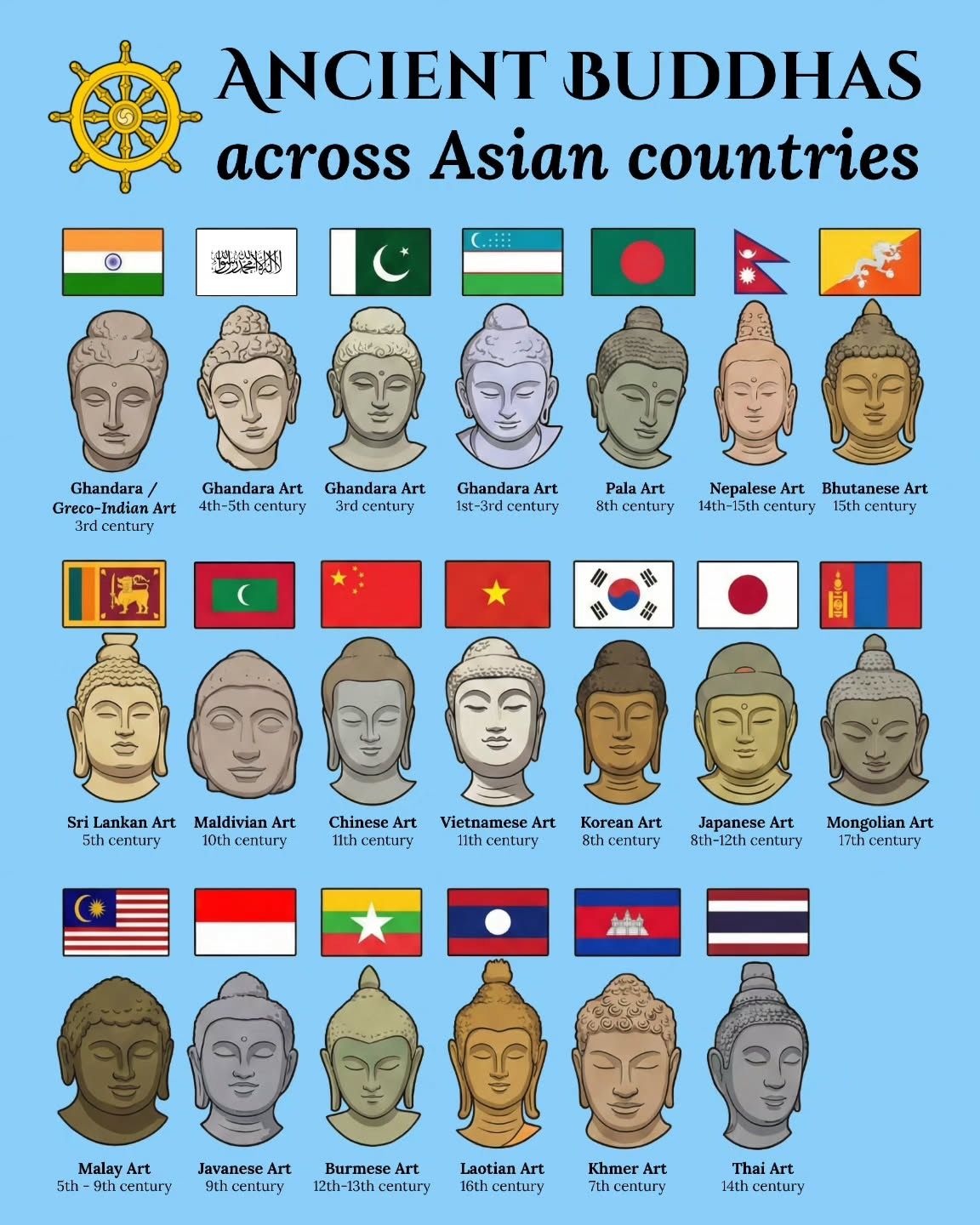
About This Album
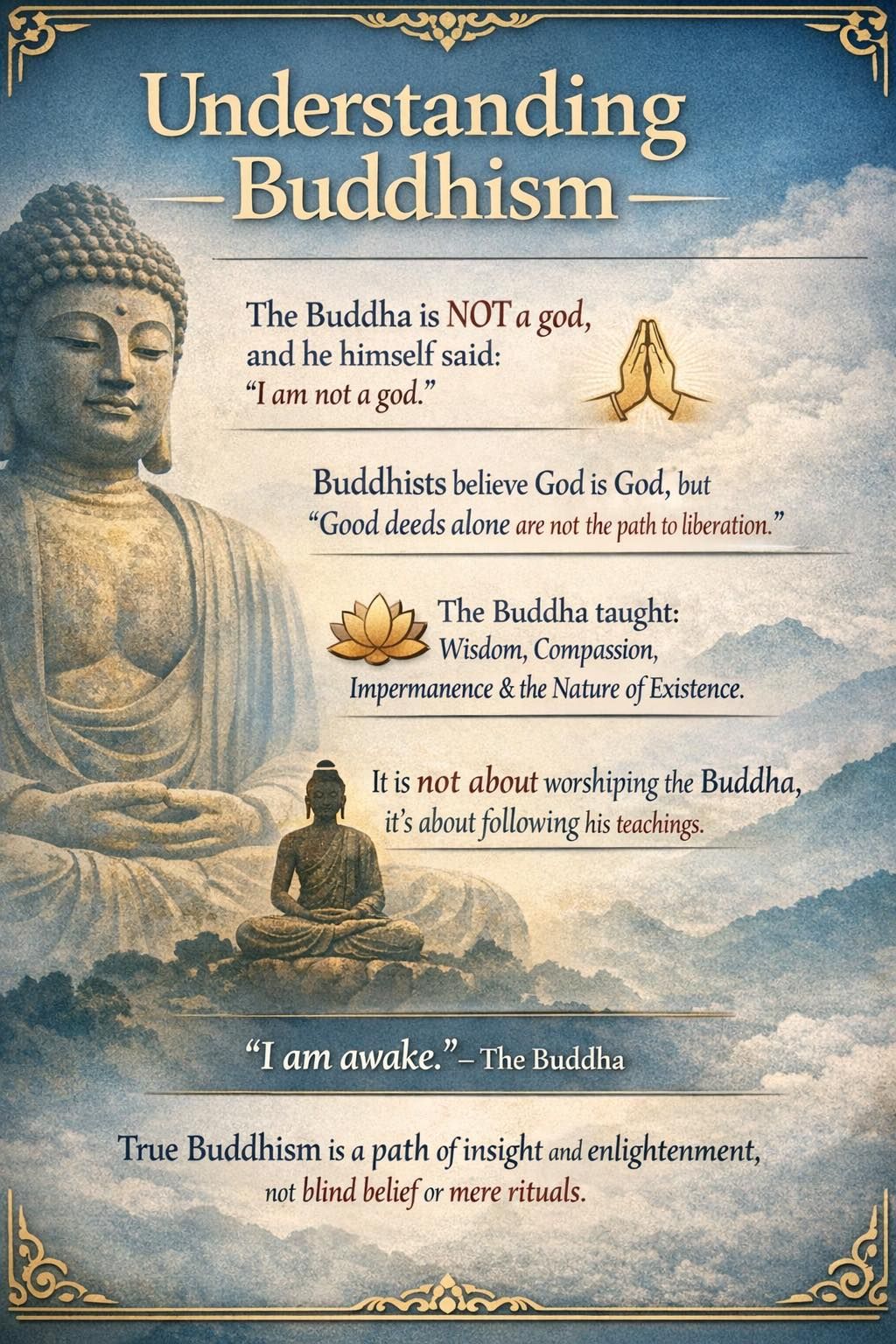
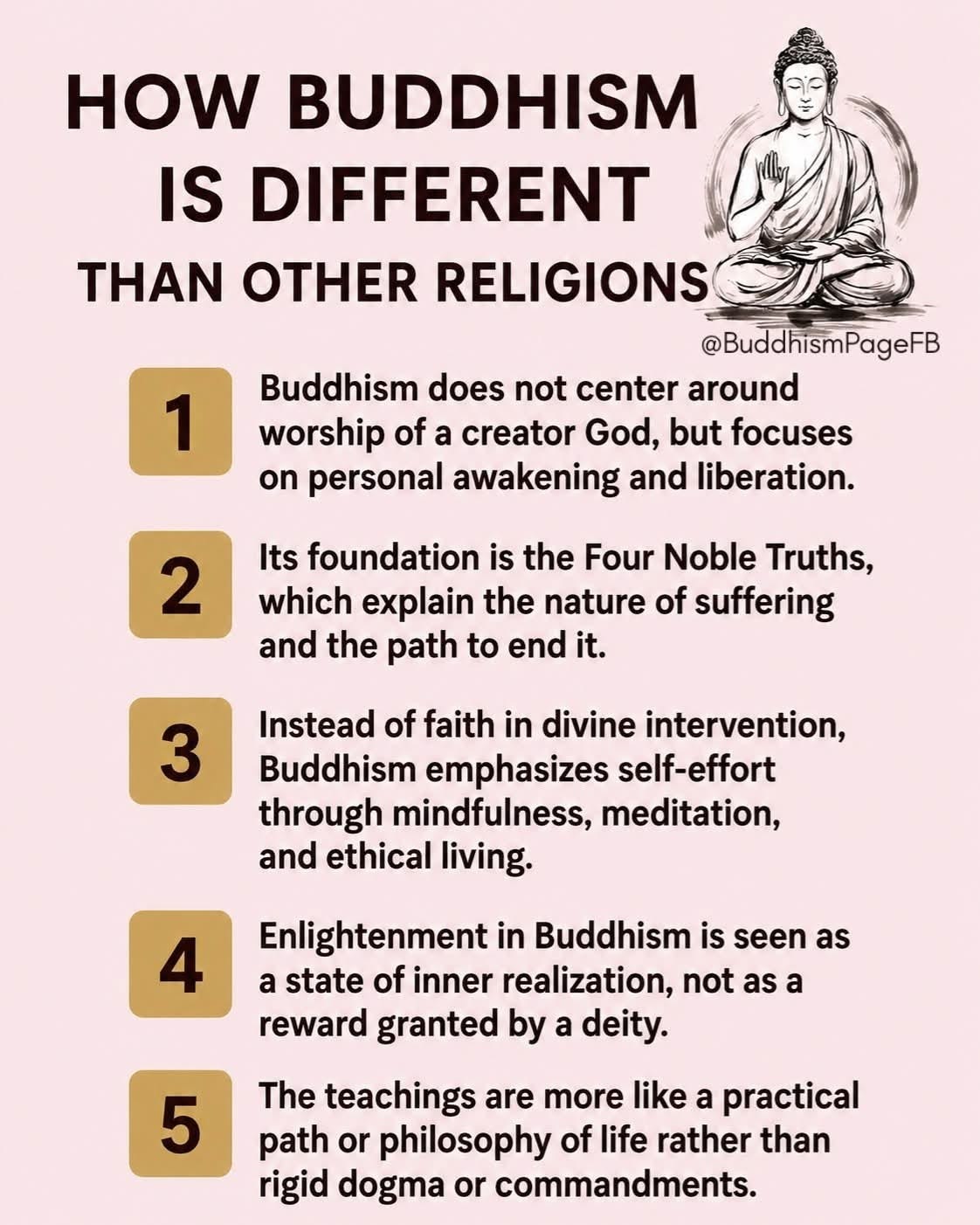
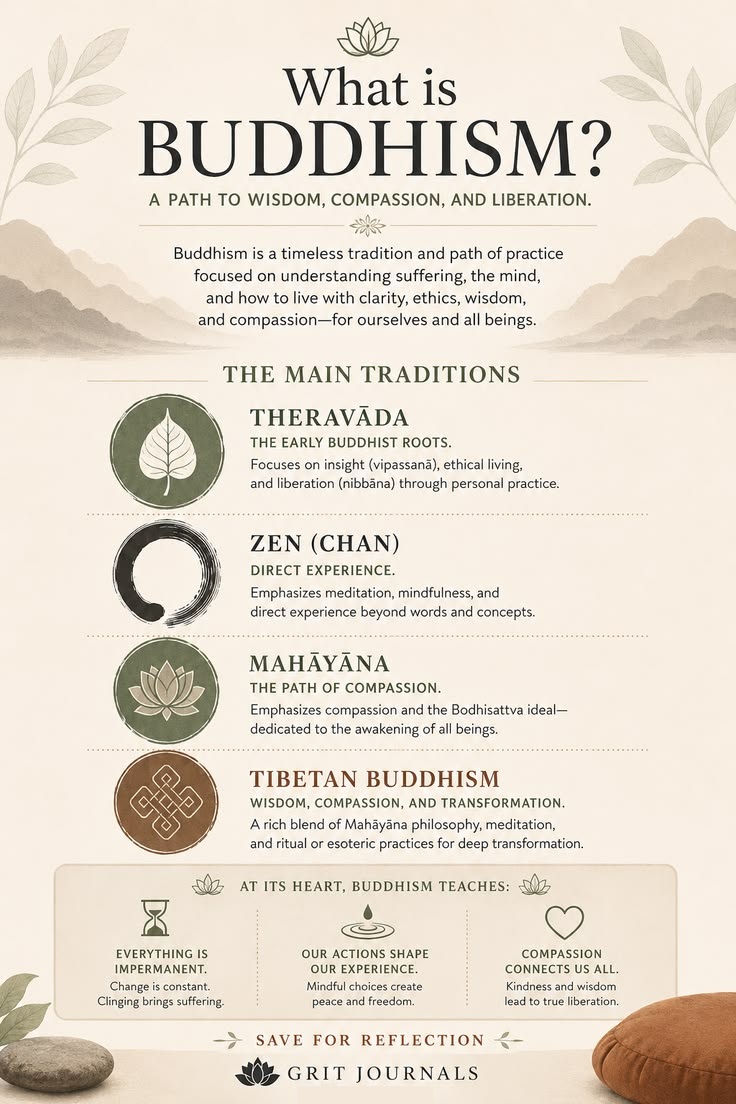
To introduce Buddhism in brief, it helps to think of it not just as a religion, but as a practical philosophy and a way of life aimed at understanding the mind and ending suffering.
The Founder
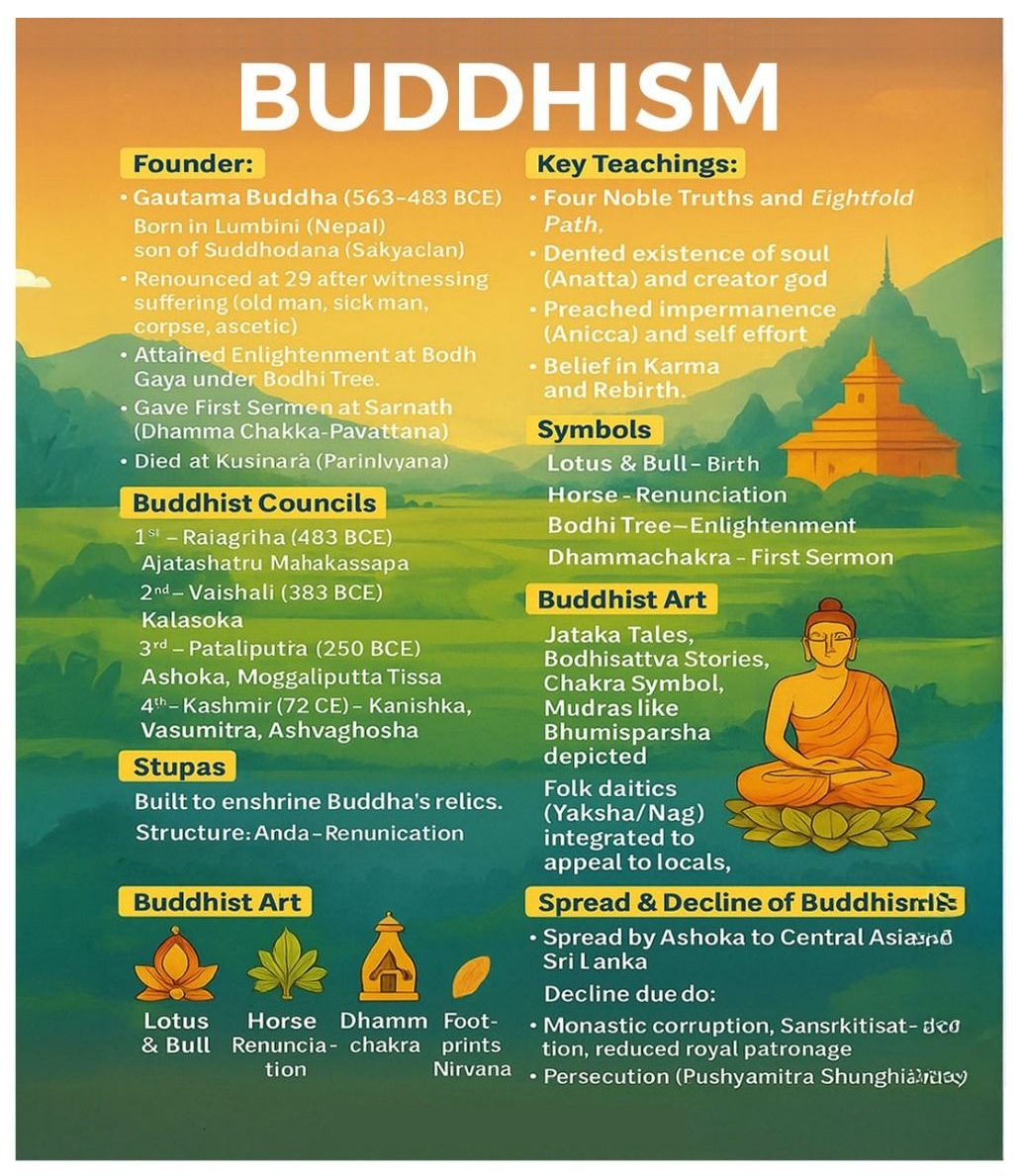
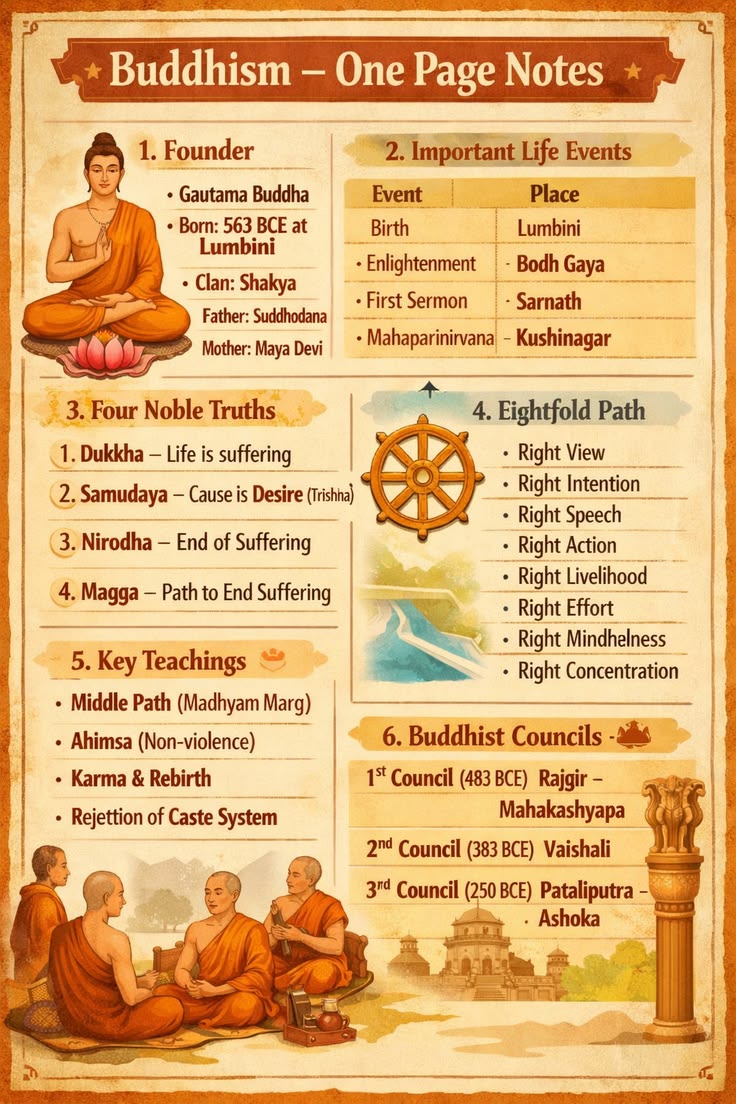
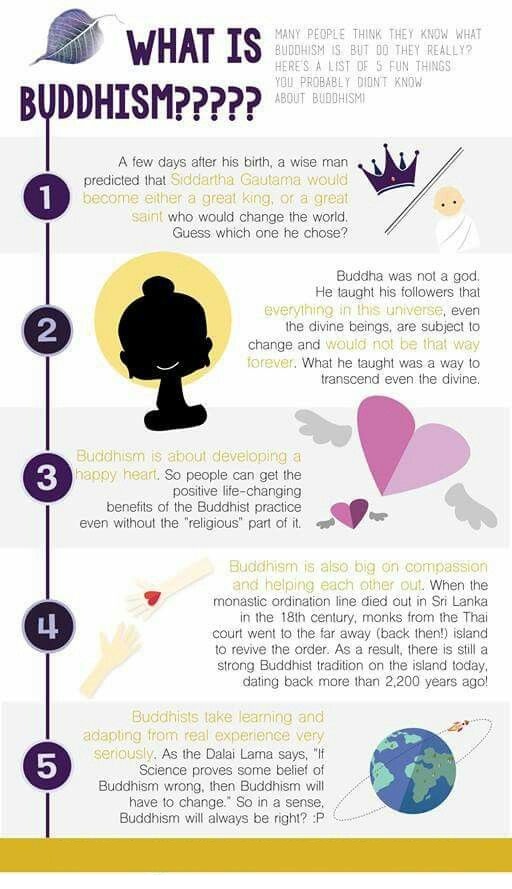
Buddhism was founded in ancient India around the 5th to 6th century BCE by a prince named Siddhartha Gautama. Disturbed by the inevitable suffering of old age, sickness, and death, he left his palace to seek enlightenment. After years of meditation, he attained Buddhahood (meaning "the Awakened One") and spent the rest of his life teaching others how to achieve the same peace.
The Core Teachings (The Dharma)
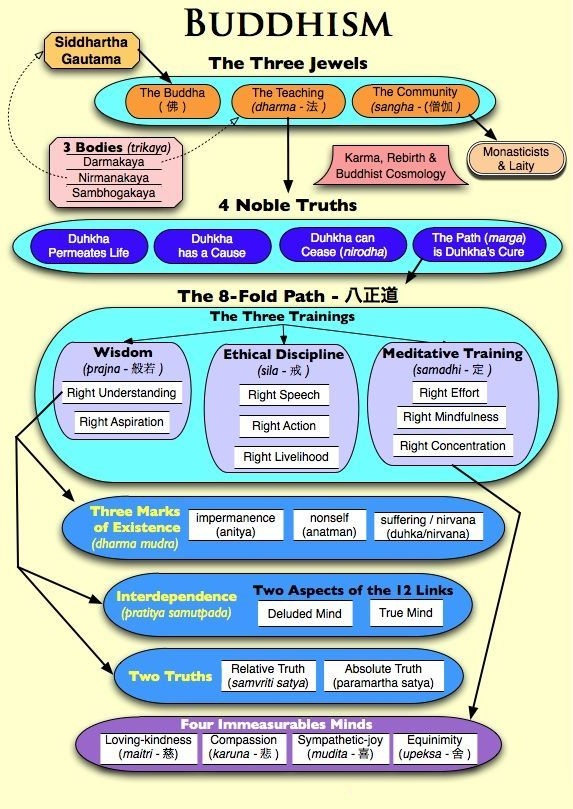
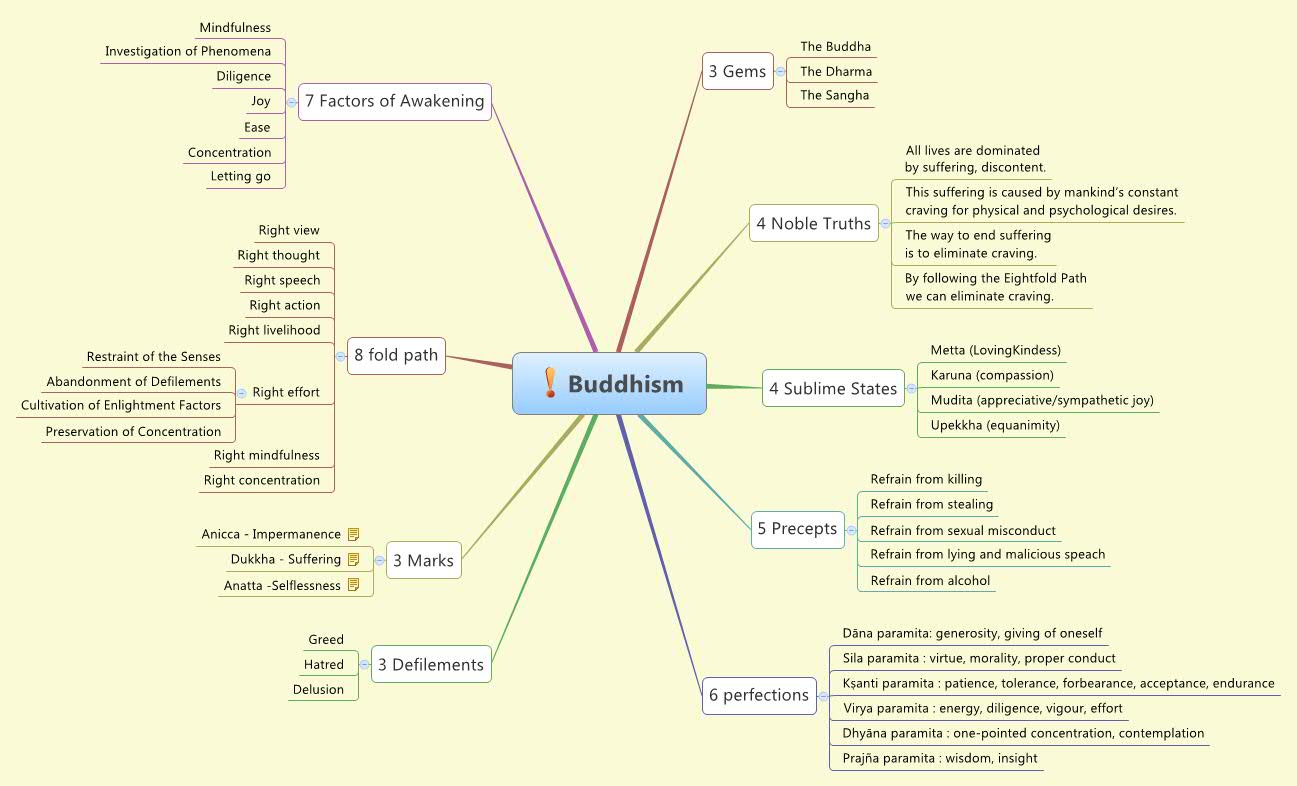
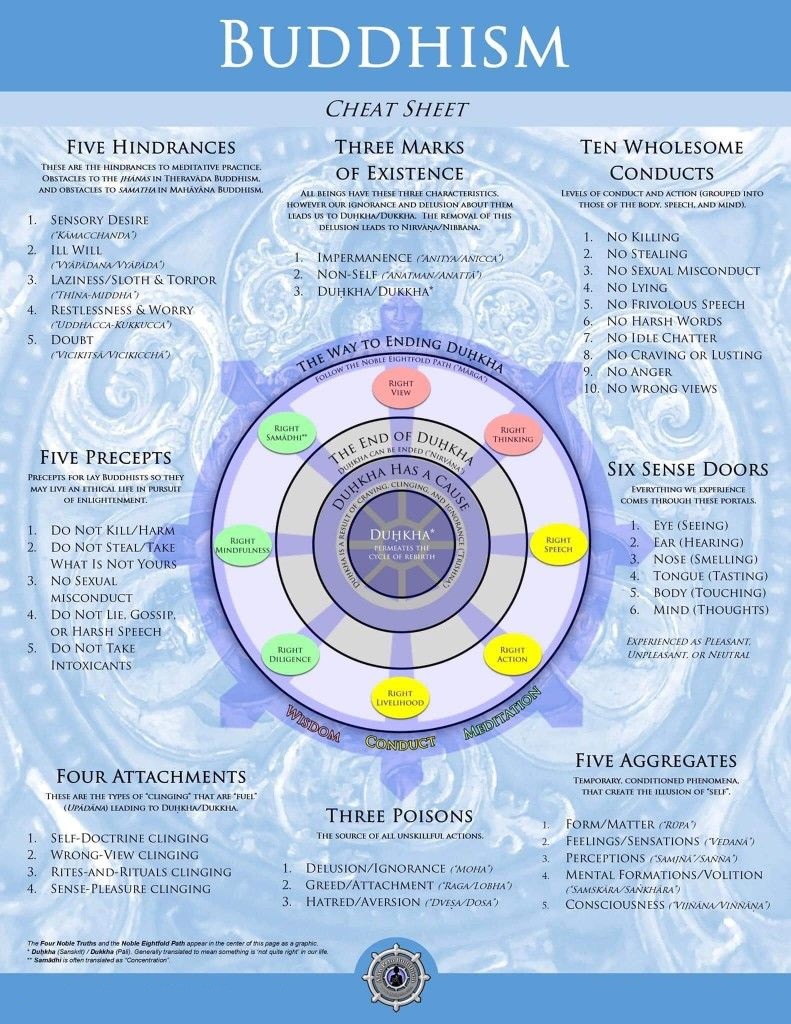
The entire Buddhist path is summarized in The Four Noble Truths, which are less about dogma and more about a medical diagnosis and prescription:
-
The Truth of Suffering (Dukkha): Life involves physical pain, emotional distress, and a deep sense of dissatisfaction. Even joy is impermanent.
-
The Truth of the Cause: Suffering is caused by attachment, craving, and ignorance of the true nature of reality.
-
The Truth of the End: It is possible to end this suffering by letting go of attachment and craving.
-
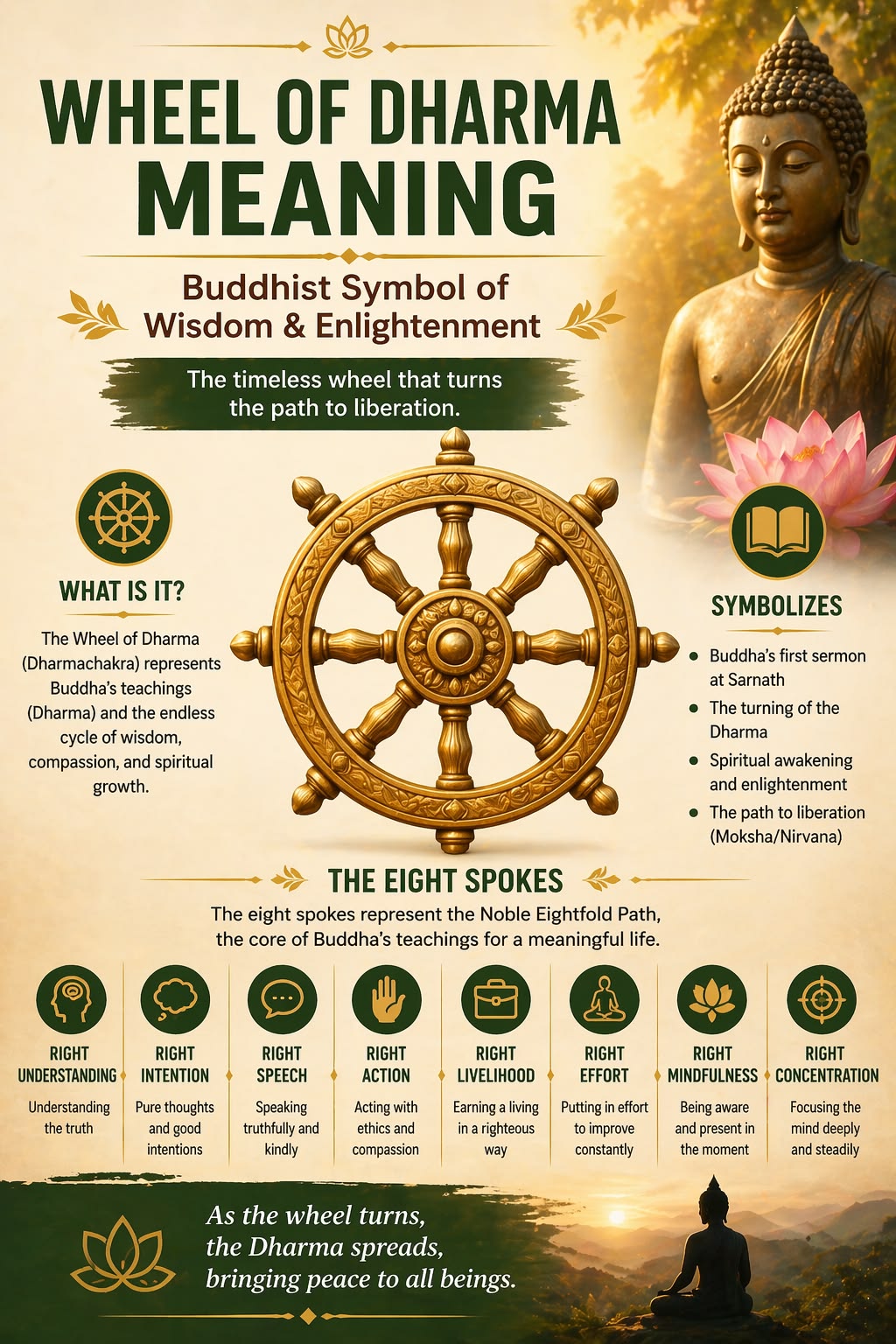
The Truth of the Path: The way to end suffering is following The Noble Eightfold Path, which acts as a practical guide to ethical living, mental discipline, and wisdom (Right View, Right Intent, Right Speech, Right Action, Right Livelihood, Right Effort, Right Mindfulness, Right Concentration).
Key Concepts
-
Karma: The law of cause and effect. Intentional actions (good or bad) will eventually produce corresponding results in this life or future lives.
-
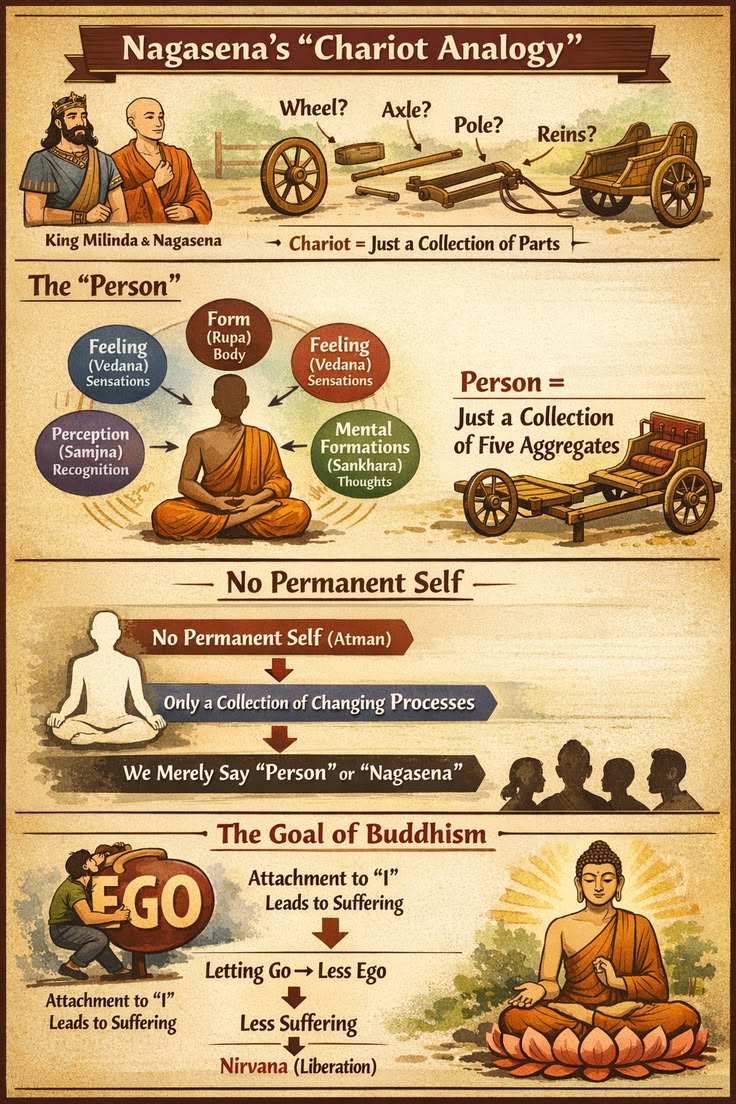
Rebirth: Unlike the eternal soul in Hinduism, Buddhists believe in a continuous cycle of birth, death, and rebirth (Samsara). What is "reborn" is a stream of consciousness and karmic energy, not a permanent soul.
-
Impermanence (Anicca): Everything in existence—emotions, thoughts, the body, the universe—is constantly changing. Clinging to anything permanent is the root of pain.
-
Nirvana (Nibbana): The ultimate goal. It is not a "heaven" but rather the "blowing out" of the fires of greed, hatred, and delusion, resulting in profound, unshakable peace.
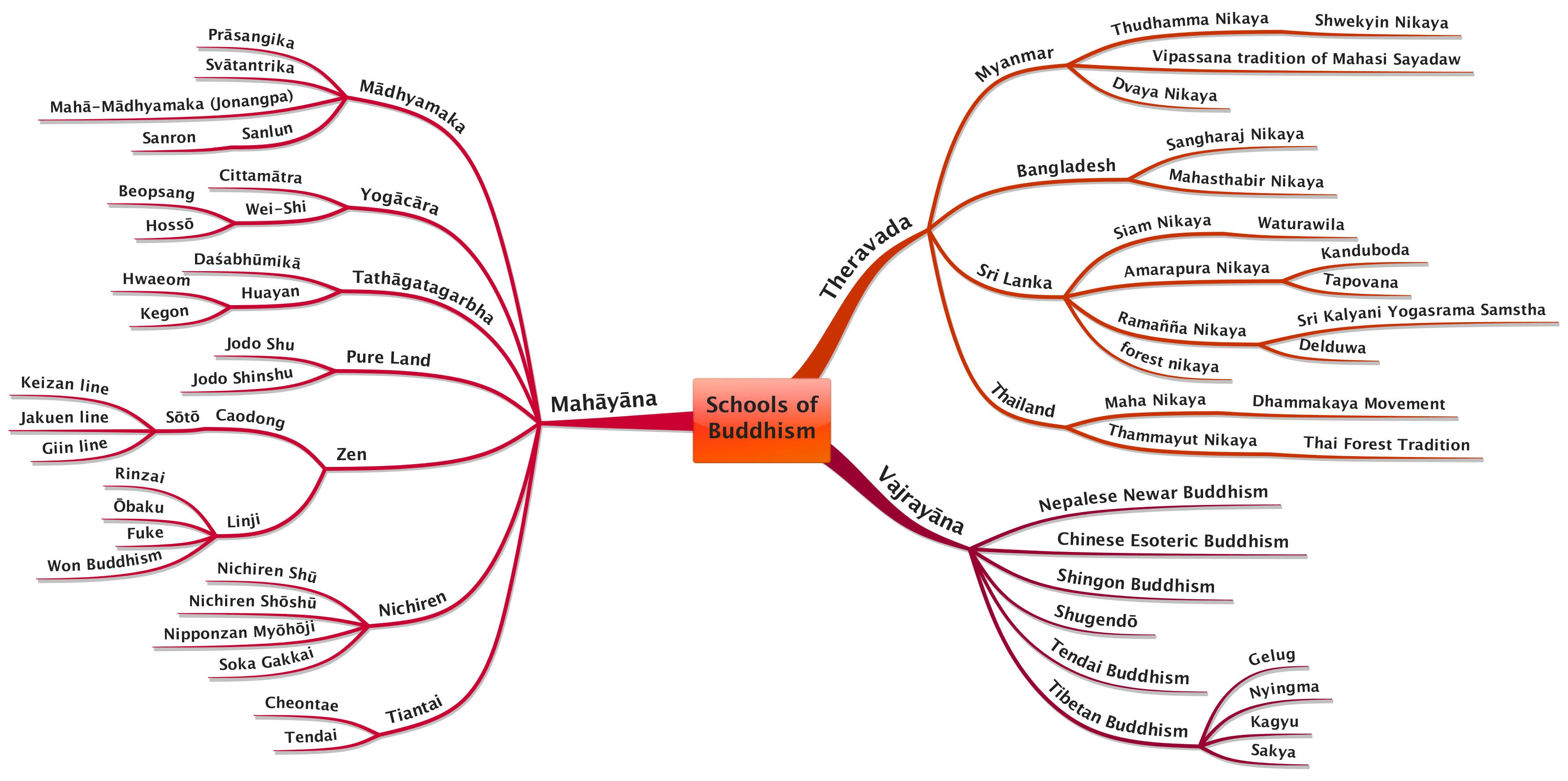
The Three Main Branches of Buddhism
-
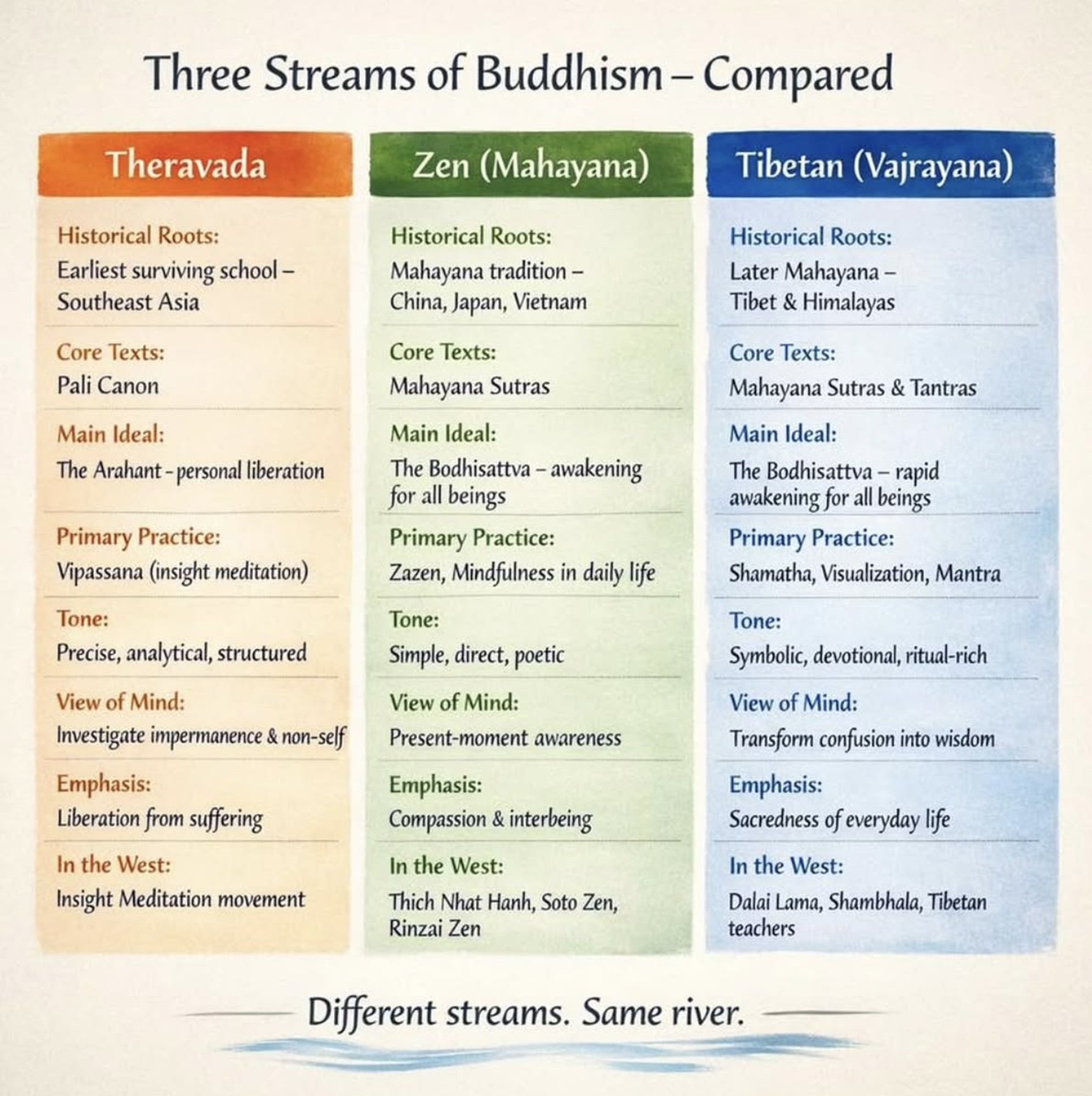
Theravada (The School of the Elders)
-
Regions: Sri Lanka, Thailand, Myanmar, Laos, Cambodia.
-
Focus: The oldest surviving tradition, adhering closely to the Pali Canon. Emphasizes individual effort, strict monastic discipline, and achieving the state of an Arahant (attaining Liberation/Nirvana by extinguishing personal defilements).
-
Features: Strictly preserves original doctrines without alteration, focuses on the Tipitaka and commentaries, with mutual support between monastics and lay practitioners.
-
-
Mahayana (The Great Vehicle)
-
Regions: China, Japan, Korea, Taiwan, Vietnam (includes Zen, Pure Land, Tiantai, etc.).
-
Focus: Based on scriptures from the middle period of Indian Buddhism. Emphasizes the Bodhisattva ideal—vowing to postpone one's final entry into Nirvana to help all sentient beings attain liberation, rather than settling for individual Arahantship.
-
Features: Diverse, flexible, lay-inclusive, and strongly focused on compassion and philosophical inquiry into Emptiness (Sunyata).
-
-
Vajrayana (The Diamond or Thunderbolt Vehicle)
-
Regions: Tibet, Mongolia, Bhutan, parts of the Himalayas (includes Tibetan Buddhism and Japanese Shingon).
-
Focus: Originating from late-stage Indian Mahayana, it introduced Tantric practices as a faster (though higher-risk) path to Buddhahood using complex visualizations, mantras (e.g., Om Mani Padme Hum), detailed rituals, and guru devotion.
-
Features: Highly esoteric and ritualized, emphasizing direct experiential realization with rich traditions of Thangka paintings and Mandalas.
-
Photo Collection