The existence of suffering (dukkha)
The cause of suffering (craving and attachment)
The cessation of suffering (Nibbāna)
The way leading to cessation (the Noble Eightfold Path)
 DhammaJāta Arañña
The Triple Gem expresses our confidence in the Buddha, the Dhamma, and
the Saṅgha—the timeless refuge that guides and sustains practice.
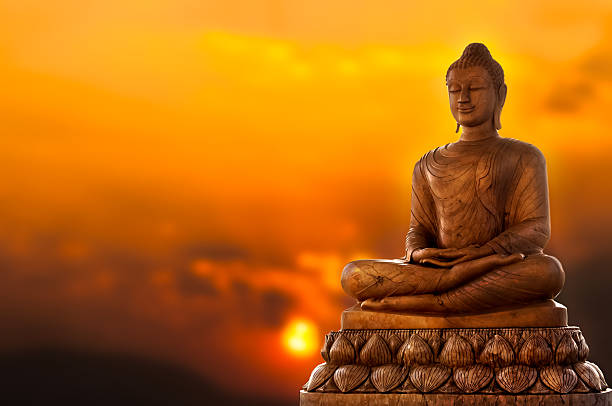
The awakened teacher who realised the path to freedom and shared it out of boundless compassion for all beings.
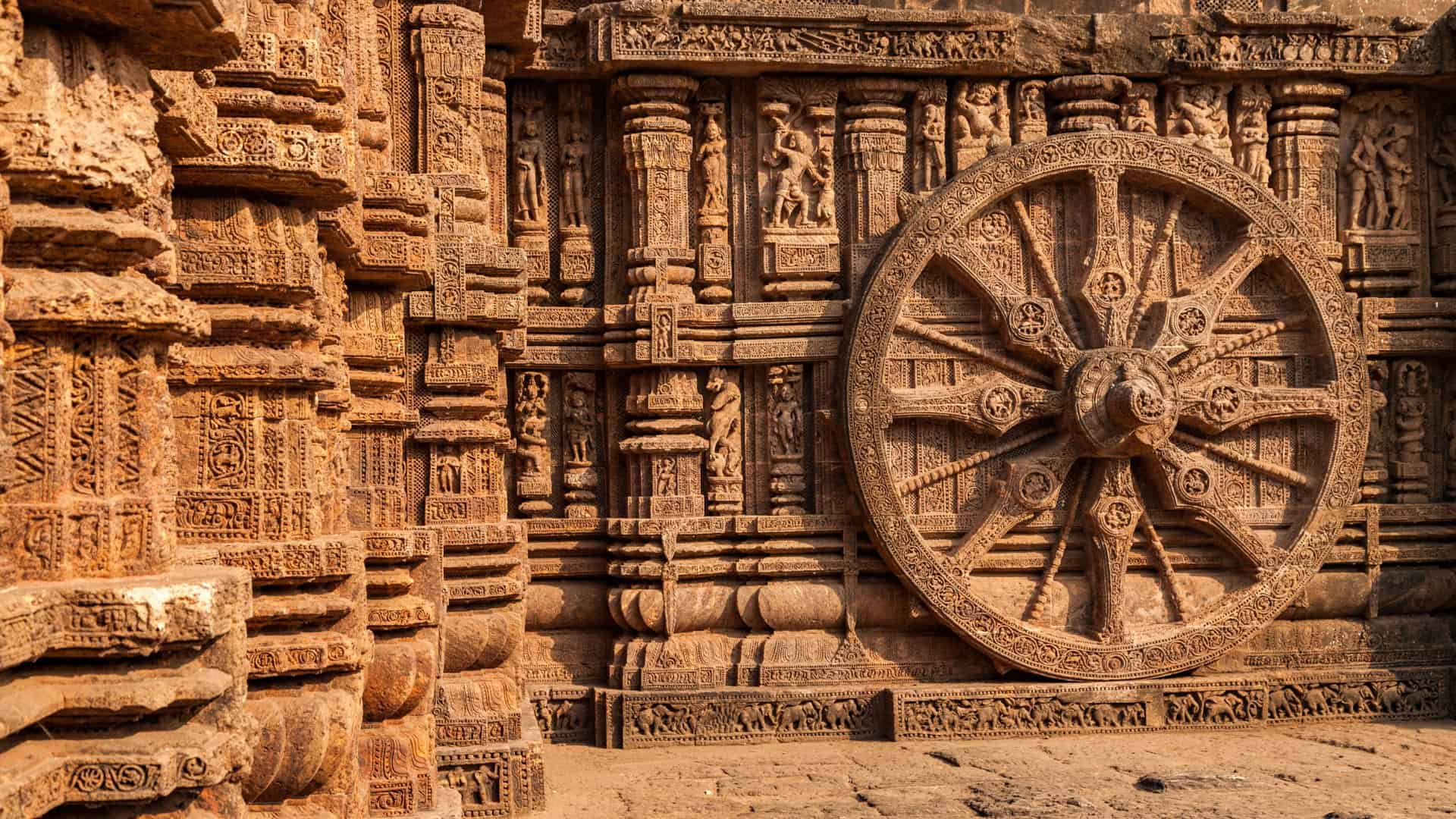
The practical teaching that explains suffering, its causes, and the method to end it—uniting ethics, meditation, and wisdom.
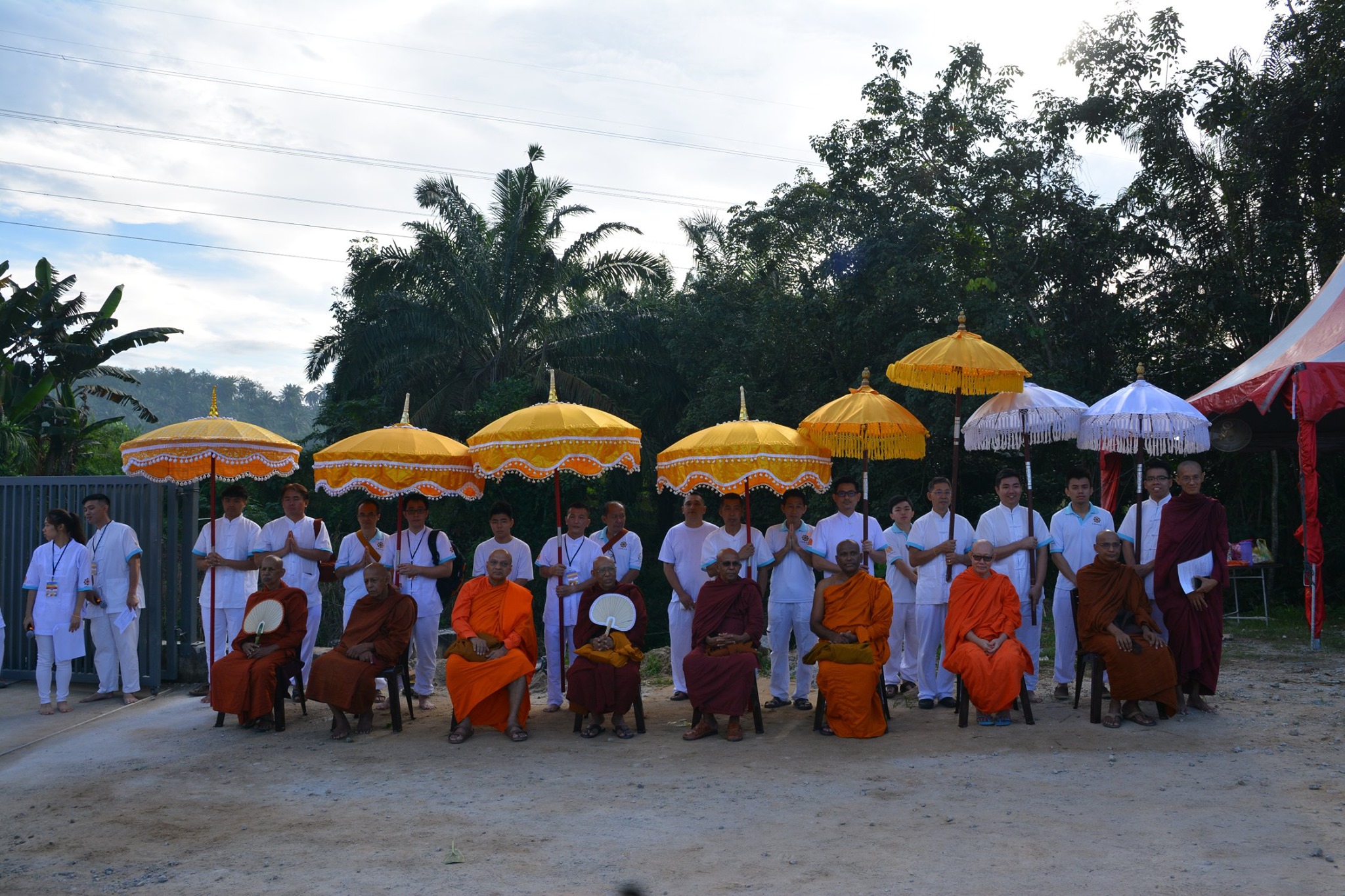
The community of noble disciples who preserve and carry forward the Buddha’s teachings, inspiring us through their lives of practice and dedication.
Taking refuge in the Triple Gem is a heartfelt commitment to cultivating wisdom, virtue, and collectedness under the guidance of the Buddha.
The journey of Siddhartha Gautama shows how determination, boundless compassion, and profound wisdom ultimately lead to complete awakening.
🌸 The Path to Awakening: From Prince Siddhartha to the Buddha
Over 2,500 years ago, Prince Siddhartha Gautama was born into the Shakya clan in Kapilavastu (modern-day Nepal). Raised in royal luxury, his life changed forever when he ventured outside the palace walls and encountered the "Four Sights"—an old man, a sick man, a dead body, and an ascetic. Witnessing the universal reality of birth, aging, sickness, and death, he was moved by deep compassion for the suffering of all beings.
Driven to find a permanent cure for human suffering, he renounced his throne and royal privileges at the age of 29 to embark on a spiritual quest. After six years of rigorous ascetic practices, he sat in deep meditation beneath the Bodhi tree. Conquering all inner and outer illusions, he realized supreme enlightenment at the age of 35 as the morning star rose, becoming the Gotama Buddha—the Fully Awakened One.
For the next 45 years, the Buddha traveled tirelessly across ancient India, sharing the Dhamma (the Truth) with all of humanity regardless of status. At the age of 80, having fulfilled his noble mission, he peacefully entered Parinibbāna (final passing) between the twin Sal trees at Kushinagar.
🌟 The Great Contributions of the Buddha to Humanity
The Buddha did not merely establish a spiritual tradition; he left behind an eternal heritage that shaped global civilization:
Revealing the Ultimate Truths of Existence: Through the Four Noble Truths and the law of Dependent Origination, the Buddha diagnosed the root cause of suffering as ignorance and attachment, providing the practical Noble Eightfold Path for anyone to achieve total mental liberation.
Championing Human Equality: In an era deeply divided by the rigid caste system of ancient India, the Buddha boldly proclaimed absolute spiritual equality. He accepted disciples from all walks of life—kings, courtesans, scholars, and outcasts—stating that "all beings possess the potential to attain full awakening through their own efforts."
Fostering a Culture of Reason and Self-Inquiry: The Buddha urged seekers not to believe blindly, but to test his teachings through their own reason and meditative experience. He returned the power over destiny back into human hands, teaching that we are our own masters.
A Beacon of Universal Peace and Compassion: Throughout its 2,500-year history, Buddhism has spread entirely through peaceful dialogue, loving-kindness, and non-violence (Ahiṃsā). The Buddha's profound wisdom continues to inspire ethics, psychology, literature, and art, offering modern society a timely antidote to stress, conflict, and spiritual emptiness.
The Nine Qualities of the Buddha in daily Buddhist recitations
Reflecting regularly on the virtues of the Buddha energises faith and reminds us that liberation is attainable in this very life.
Pāli Text
Iti’pi so bhagavā arahaṁ, sammā-sambuddho, vijjā-caraṇa-sampanno, sugato, loka-vidū, anuttaro purisa-damma-sārathi, satthā deva-manussānaṁ, buddho, bhagavā.
English Translation
Such is that Blessed One, the Worthy One, the Perfectly Self-Awakened One, One fully possessed of wisdom and conduct, One who has proceeded by the good way, Knower of the [three] worlds, Unexcelled Trainer of tamable men, Teacher of deities and men, the Awakened One, the Blessed One.
The Buddha’s teaching reveals the nature of suffering, illuminates its causes, and guides us along a transformative path towards freedom—one that is open to all.
The Buddha's awakening clarified four realities that illuminate the human experience:
The existence of suffering (dukkha)
The cause of suffering (craving and attachment)
The cessation of suffering (Nibbāna)
The way leading to cessation (the Noble Eightfold Path)
The Tipiṭaka preserves the Buddha's words in three collections:
Vinaya Piṭaka:
The disciplinary code for monastics, preserving harmony and purity within the Saṅgha community.
Sutta Piṭaka:
The discourses of the Buddha and his disciples, offering profound guidance for all seekers of truth.
Abhidhamma Piṭaka:
The systematic analysis of mind, consciousness, and phenomena—an intricate map of reality.
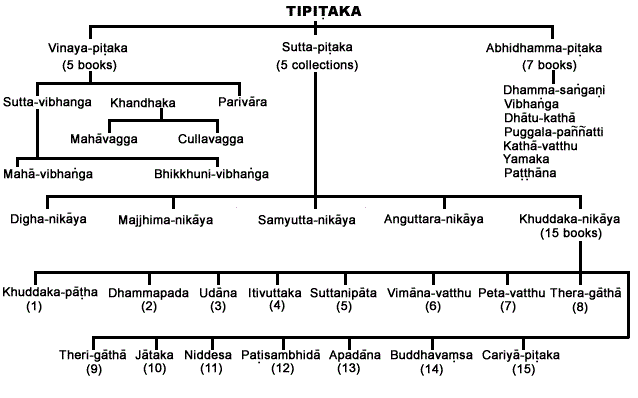
Pāli remains the liturgical language of Theravāda, enabling practitioners to chant, study, and transmit the Dhamma authentically.
Dhamma practice is holistic—integrating study, reflection, and meditation so understanding becomes embodied wisdom.
Balance: Practice Dāna (generosity), Sīla (virtue), and Bhāvanā (meditation) together.
Mindfulness: Ground awareness in everyday activities to observe cause and effect clearly.
Community: Deepen insight with the support of teachers and noble friends.
The Six Qualities of the Dhamma in daily Buddhist recitations
Reflecting regularly on the virtues of the Dhamma energises faith and reminds us that liberation is attainable in this very life.
Pāli Text
Svākkhāto bhagavatā dhammo, sandiṭṭhiko, akāliko, ehi-passiko, opanayiko, paccattaṁ veditabbo viññūhi.
English Translation
Well-expounded is the Exalted One’s Dhamma, visible here-and-now, not delayed in time, inviting of inspection, onward-leading, is directly experienceable by the wise.
The Saṅgha—bhikkhus, bhikkhunīs, and noble disciples dedicated to realising and sharing the Dhamma—protects the teachings, offers guidance, and embodies the path for the wider community.
Paṇḍitānaṃ ca sevanā, etaṃ maṅgala-muttamaṃ.
To associate with the wise, — this is the greatest blessing.
(Sutta Piṭaka, Khuddaka Nikāya, Suttanipāta, Maṅgala Sutta )
In daily Buddhist recitations, the Saṅgha is traditionally honoured for its nine special qualities, as described in the Pāli discourses. Suppaṭipanno means practising the good or right way; Ujuppaṭipanno means practising the upright and straightforward way; Ñāyappaṭipanno means practising the true way leading to liberation, or Nibbāna; and Sāmīcippaṭipanno means practising in the proper, respectful and appropriate manner. The Saṅgha is also described as Āhuneyyo, worthy of gifts and offerings; Pāhuneyyo, worthy of hospitality; Dakkhiṇeyyo, worthy of alms and offerings given for the cultivation of merit, including those dedicated to the departed; Añjalikaraṇīyo, worthy of reverential salutation and respect; and Anuttaraṃ puññakkhettaṃ lokassa, an unsurpassed field of merit for the world.
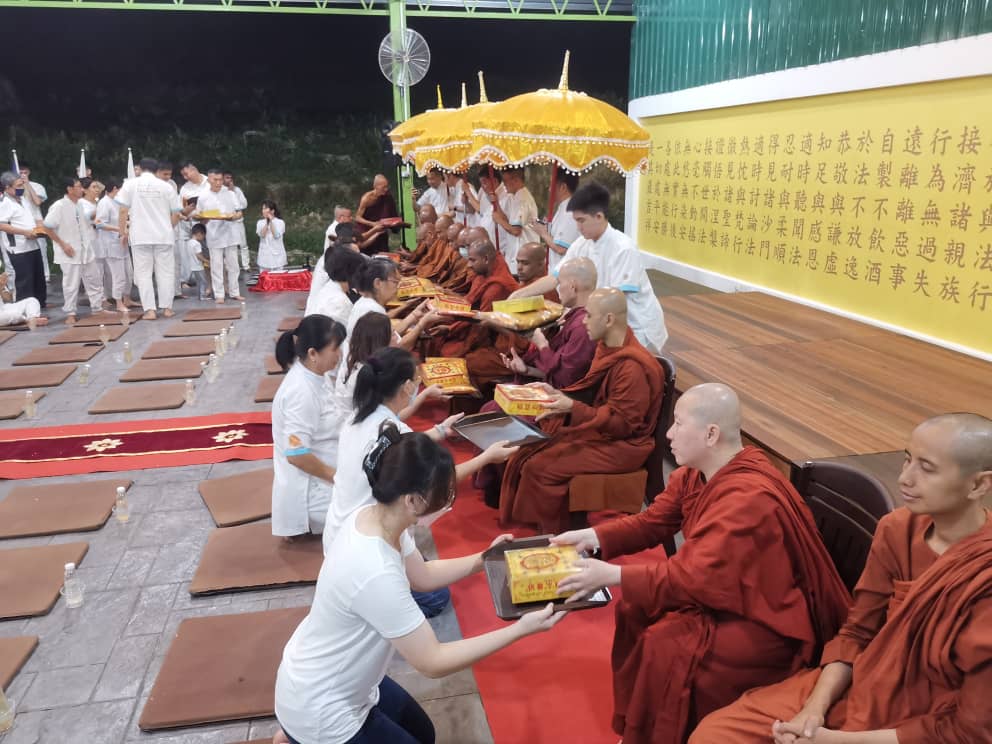
Supporting the Saṅgha according to the Vinaya (the monastic code of discipline) is based on the principle of mutual dependence between the monastic and lay communities. Monastics rely on the material support of lay devotees to sustain their lives, while lay devotees rely on the Saṅgha for spiritual guidance and instruction.
To ensure that lay offerings do not unintentionally cause monastics to breach the Vinaya, the Vinaya provides precise guidelines on how lay devotees should properly support the Saṅgha.
According to the Vinaya, monastics are not permitted to earn a livelihood for themselves, handle money, or store food overnight. Therefore, traditional lay support centres around the Four Requisites.
When offering these requisites, it is best to provide the actual items directly or to ask the monastics what they currently require.
Monastics receive food through alms rounds or by accepting meals offered by lay devotees.
Offering procedure:
A monastic should not take food by himself or place food into his own alms bowl. The food should be respectfully offered by the lay devotee, either directly into the monastic's hands or into the alms bowl.
Time restriction:
According to the Vinaya, monastics may consume solid food only from dawn until noon. After noon, any offerings must belong to categories that are allowable at that time, such as certain fruit juices, honey, or medicines.
Monastic robes must be of colours permitted by the Vinaya, such as saffron, ochre, brown, and other earth tones, and their size and dimensions should conform to the prescribed standards.
The traditional occasion for offering robes is the Kathina Festival, held during the month following the completion of the three-month rains retreat (Vassa).
This includes providing accommodation, meditation huts, beds, or places to stay when monastics are travelling. Supporting the repair and maintenance of monasteries also falls within this category.
Lay devotees may provide medicine and health necessities for monastics who are ill.
Certain medicinal tonics, such as ghee, fresh butter, oil, honey, and sugar, may be kept for up to seven days when required for medicinal purposes.
Money is an area requiring particular care when supporting the Saṅgha.
According to the Theravāda Vinaya, monastics are strictly prohibited from accepting, handling, or using gold, silver, or any form of money, including cash, cheques, or electronic transfers.
To enable lay devotees to provide financial support for matters such as monastery repairs, utilities, travel expenses, and other necessary expenses, the Vinaya provides for the role of a Kappiya-kāraka, a lay attendant or steward.
If you wish to make a financial donation, the money should be given to the monastery's Kappiya-kāraka or placed in a donation box managed by the lay community.
Rather than giving money directly, you may inform the monastic:
“Venerable Sir, I have placed a sum of money with your attendant. If you require any allowable requisites, please ask him directly.”
In this way, the monastic may request the actual requisites needed from the attendant, such as transport tickets or medicine, without directly handling money.
When offering food or other items to monastics, the Vinaya requires an appropriate procedure of formal offering and acceptance, so that the items become properly acceptable to the monastic.
Lay devotees should personally approach within an appropriate distance, approximately an arm's length, and respectfully present the offering with both hands or, where appropriate, using a designated offering cloth.
If you are a woman, place the offering on the receiving cloth held by the monastic, or directly into his alms bowl, to avoid direct physical contact, which is prohibited under the relevant monastic discipline.
Once an item has been formally offered and accepted by the monastic, the lay devotee should not touch it again.
If the food is accidentally touched by the lay devotee after it has been accepted by the monastic, the formal offering procedure must be performed again.
Unless the monastic is ill, the lay devotee is a relative, or the lay devotee has previously made an explicit invitation, monastics are generally prohibited from asking lay people for specific items.
To avoid this restriction and ensure that the Saṅgha can receive what is genuinely needed, lay devotees may make a formal Pavāraṇā, or invitation.
You may say:
“Venerable Sir, if you require any of the Four Requisites, please feel free to let me know.”
You may also specify a period, for example:
“For the next three months, if you require any of the Four Requisites, please let me know.”
The invitation may also be limited to particular types of requisites.
In this way, the monastic may appropriately communicate his needs to the lay devotee in accordance with the Vinaya, without committing an offence.
The Vinaya contains many guidelines concerning interactions between monastics and lay devotees, including rules intended to safeguard the purity of Brahmacariya, the monastic life of celibacy and spiritual practice.
Monastics should not sit alone with women in secluded or isolated places.
If you need to speak privately with a monastic about the Dhamma, ensure that the conversation takes place in an open area where others can see you, or bring along another appropriate person.
Avoid engaging in worldly gossip, political debates, or acting as a commercial intermediary for the Saṅgha.
The monastic discipline encourages speech that is connected with the Dhamma, stillness, renunciation, and liberation.
Reflecting regularly on the virtues of the Saṅgha energises faith and reminds us that liberation is attainable in this very life.
Pāli Text
1. Supaṭipanno Bhagavato sāvakasaṅgho.
2. Ujupaṭipanno Bhagavato sāvakasaṅgho.
3. Ñāyapaṭipanno Bhagavato sāvakasaṅgho.
4. Sāmīcipaṭipanno Bhagavato sāvakasaṅgho.
5. Yadidaṁ cattāri purisayugāni aṭṭha purisapuggalā.
6. Esa Bhagavato sāvakasaṅgho.
7. Āhuneyyo, pāhuneyyo, dakkhiṇeyyo, añjalikaraṇīyo.
8. Anuttaraṁ puññakkhettaṁ lokassā’ti.
English Translation
1. The Sangha of the Blessed One’s disciples who have practiced well (or are of good conduct).
2. The Sangha of the Blessed One’s disciples who have practiced uprightly (or are of straight conduct).
3. The Sangha of the Blessed One’s disciples who have practiced the right way (or are of methodically correct conduct).
4. The Sangha of the Blessed One’s disciples who have practiced properly (or are of dutiful conduct).
5. That is, the four pairs of persons, the eight types of individuals.
6. This is the Sangha of the Blessed One’s disciples.
7. They are worthy of offerings, worthy of hospitality, worthy of gifts, worthy of reverential salutation.
8. They are an unsurpassed field of merit for the world.
Here is the English translation of the pure Chinese version of the Sanghavandana (Qualities of the Sangha) and its core concepts:
🌟 Praise of the Qualities of the Sangha
The Sangha of the Blessed One’s disciples has practiced well (practicing the good or right way).
The Sangha of the Blessed One’s disciples has practiced uprightly (practicing the straightforward or direct way).
The Sangha of the Blessed One’s disciples has practiced for the sake of truth and liberation (practicing the true way to Nirvana).
The Sangha of the Blessed One’s disciples has practiced properly and dutifully (practicing the appropriate and law-abiding way).
That is, they comprise the four pairs of holy persons, the eight types of noble individuals.
This indeed is the Sangha of the Blessed One’s disciples.
They are worthy of offerings, worthy of hospitality, worthy of gifts, and worthy of reverential salutation.
They are an unsurpassed field of merit for the world.
💡 Core Concept Analysis: What are the "Four Pairs and Eight Types"?
The special designation mentioned in the text serves as the strict definition of the "Noble Sangha" (Ariya-saṅgha). It does not refer to ordinary, un-enlightened monastics, but specifically to the noble disciples who have attained stages of awakening on the path to liberation:
The Four Pairs (Four Pairs of Noble Beings):
Those on the Path to Stream-entry & those who have attained the Fruit of Stream-entry (Sotāpanna).
Those on the Path to Once-returning & those who have attained the Fruit of Once-returning (Sakadāgāmi).
Those on the Path to Non-returning & those who have attained the Fruit of Non-returning (Anāgāmi).
Those on the Path to Arahatship & those who have attained the Fruit of Arahatship (Arahat).
The Eight Types (Eight Noble Individuals):
When the aforementioned "four pairs" are counted individually, they form the eight progressive stages of spiritual attainment:
The one heading toward Stream-entry, the Stream-enterer;
The one heading toward Once-returning, the Once-returner;
The one heading toward Non-returning, the Non-returner;
The one heading toward Arahatship, and the Arahat.
— Sutta Piṭaka, Saṁyutta Nikāya, Sagāthā Vagga, Dhajagga Sutta
"Those who have entered the Saṅgha, who are established in the Dhamma, are truly worthy of gifts, hospitality, offerings, and reverence. They are an incomparable field of merit for the world."
The Noble Eightfold Path is the Buddha's guide to end suffering and attain enlightenment, thus ending the rounds of rebirth. It is divided into three main categories: wisdom, ethical conduct, and concentration, all of which work together to purify the mind and lead to liberation.
Right View: Understanding the Four Noble Truths and the law of kamma.
Right Intention: Cultivating renunciation, goodwill, and harmlessness.
Right Speech: Speaking truthfully, kindly, and constructively.
Right Action: Acting peacefully, honestly, and with respect for life and relationships.
Right Livelihood: Earning a living that causes no harm.
Right Effort: Cultivating wholesome states and overcoming unwholesome ones.
Right Mindfulness: Present-moment awareness of body, feelings, and mind.
Right Concentration: Developing deep, stable meditative absorption.
Practised together, these eight factors reinforce one another, refining conduct, stabilising the mind, and unveiling the insight that brings liberation.
Intentional actions shape our experience; understanding this empowers wise choices in every moment.
Kamma literally means "action." It refers to intentional deeds of body, speech, and mind that lead to corresponding results. Every deliberate choice plants a seed that ripens in this life or future lives, highlighting our profound responsibility.
When actions spring from generosity, kindness, and wisdom, they bring clarity and wellbeing. Those rooted in greed, hatred, and delusion perpetuate suffering. Kamma operates as a natural law of moral causation that keeps the cycle of saṃsāra turning.
Yet kamma is not deterministic. While past deeds cannot be undone, present wholesome intentions can transform how their results unfold. Practising Sīla, Paññā, and Samādhi gradually frees us from the momentum of unwholesome kamma and directs the mind toward liberation.
MOVING FROM MERE BELIEF TO KNOWING
The Buddha encouraged practitioners to investigate the Dhamma thoroughly rather than rely on blind faith. The Kalama Sutta reminds us to verify teachings through direct experience and wise reflection.
A key passage from the Kalama Sutta reads:
"Do not go upon what has been acquired by repeated hearing; nor upon tradition; nor upon rumor; nor upon what is in a scripture; nor upon surmise; nor upon an axiom; nor upon specious reasoning; nor upon a bias towards a notion that has been pondered over; nor upon another's seeming ability; nor upon the consideration, 'The monk is our teacher.' Kalamas, when you yourselves know: 'These things are good; these things are blameless; these things are praised by the wise; undertaken as a whole, these things lead to benefit and happiness,' then enter on and abide in them."
This spirit of inquiry invites us to test even the Buddha's own words. Understanding arises from the clarity that comes with practice, contemplation, and personal realisation.