About This Album
Brief and clear introduction to the Buddha's 45 years of teachings — the essence of what he taught after his enlightenment until his death at age 80.
Overview
For 45 years, the Buddha walked from town to town across the Ganges plain in ancient India, teaching people from all backgrounds — kings, farmers, merchants, outcasts, and even former murderers. He never wrote anything down; his teachings were preserved orally by his disciples for centuries before being recorded.
Despite the vast volume of his discourses (thousands of suttas/sutras), the core message is remarkably consistent and practical. He compared his teachings to a raft — useful only for crossing the river of suffering, not something to cling to.
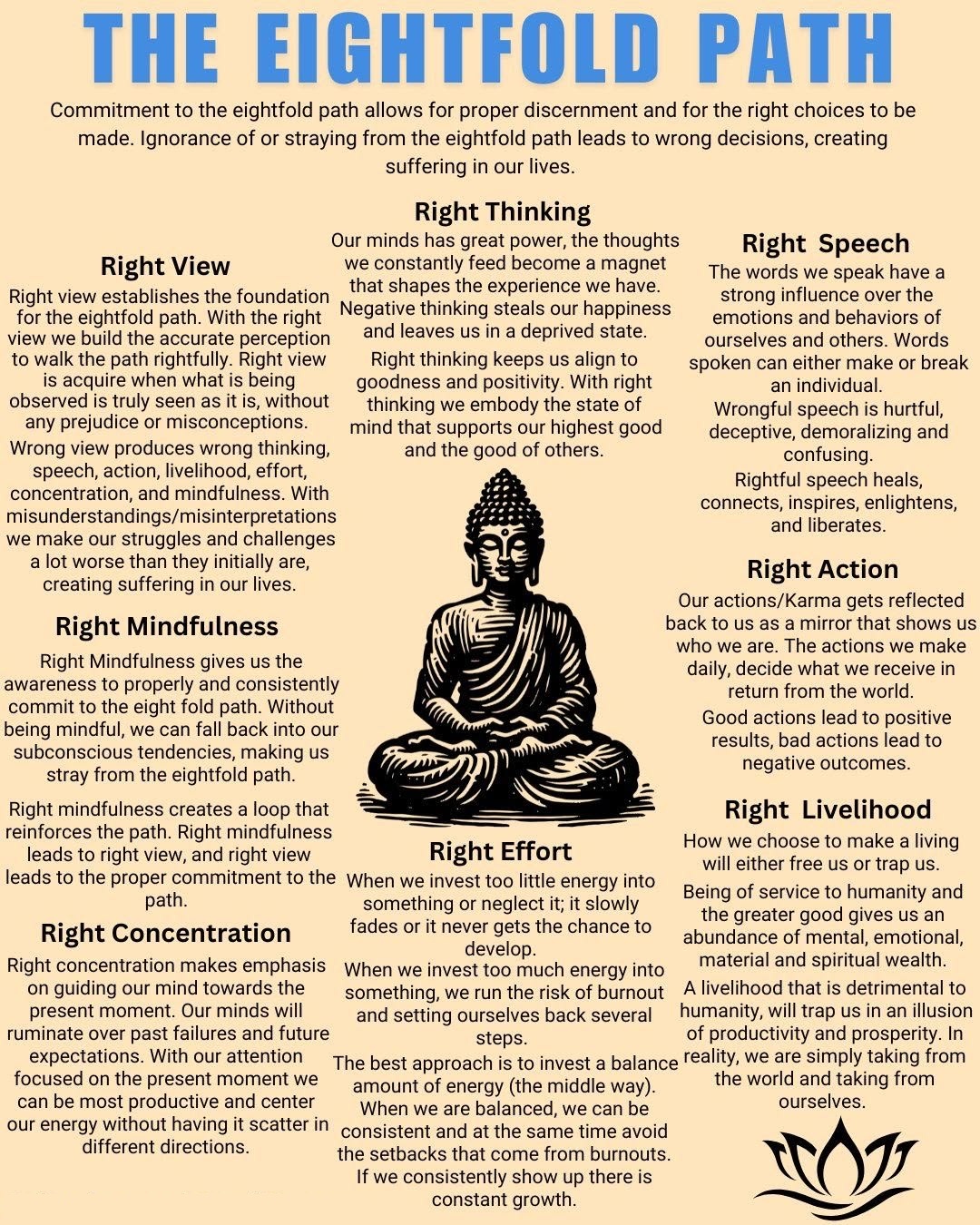
The Unified Framework: The Four Noble Truths + Eightfold Path
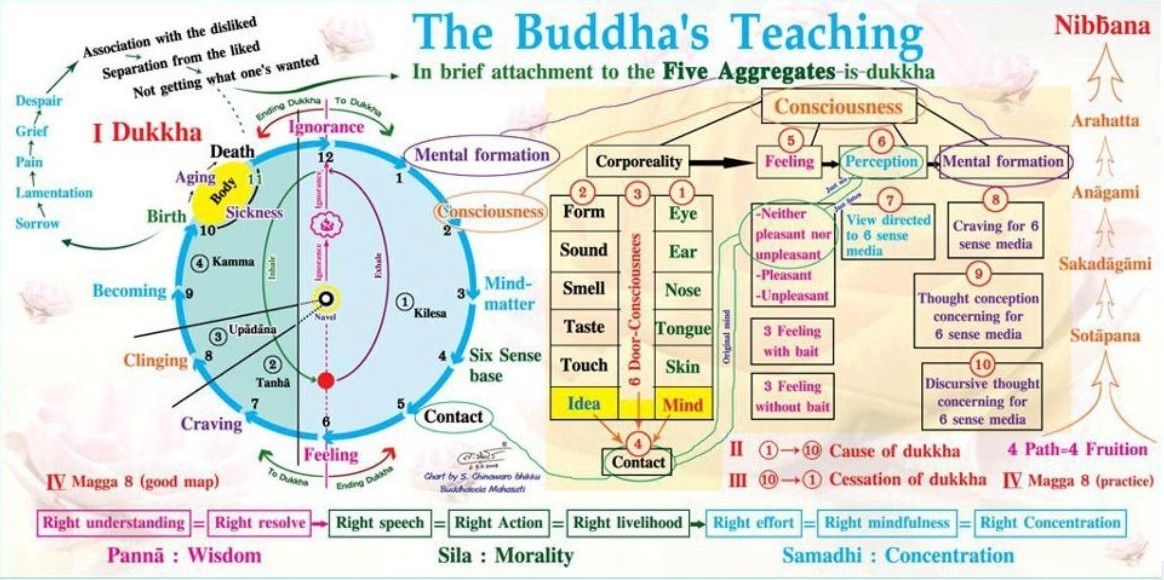
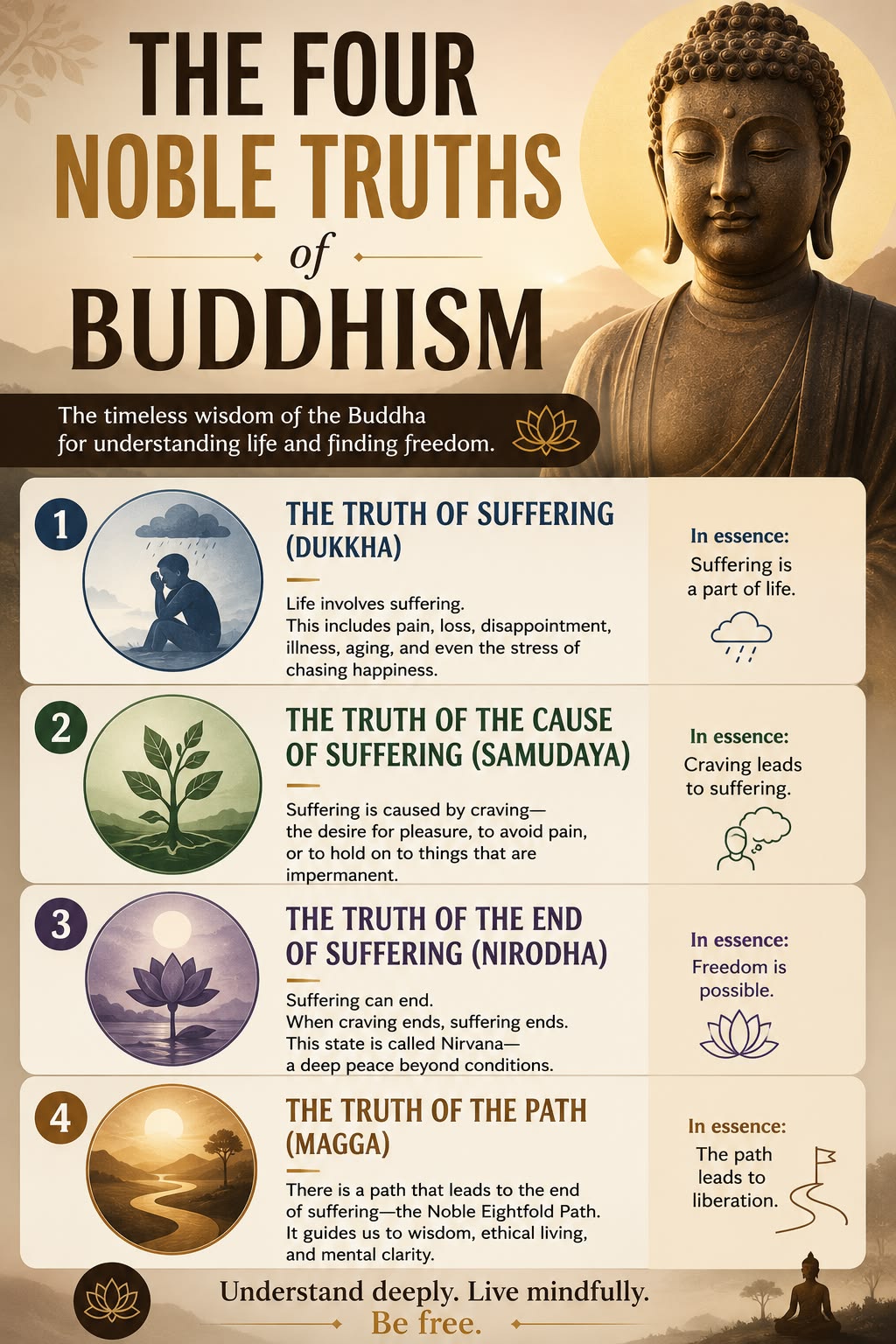
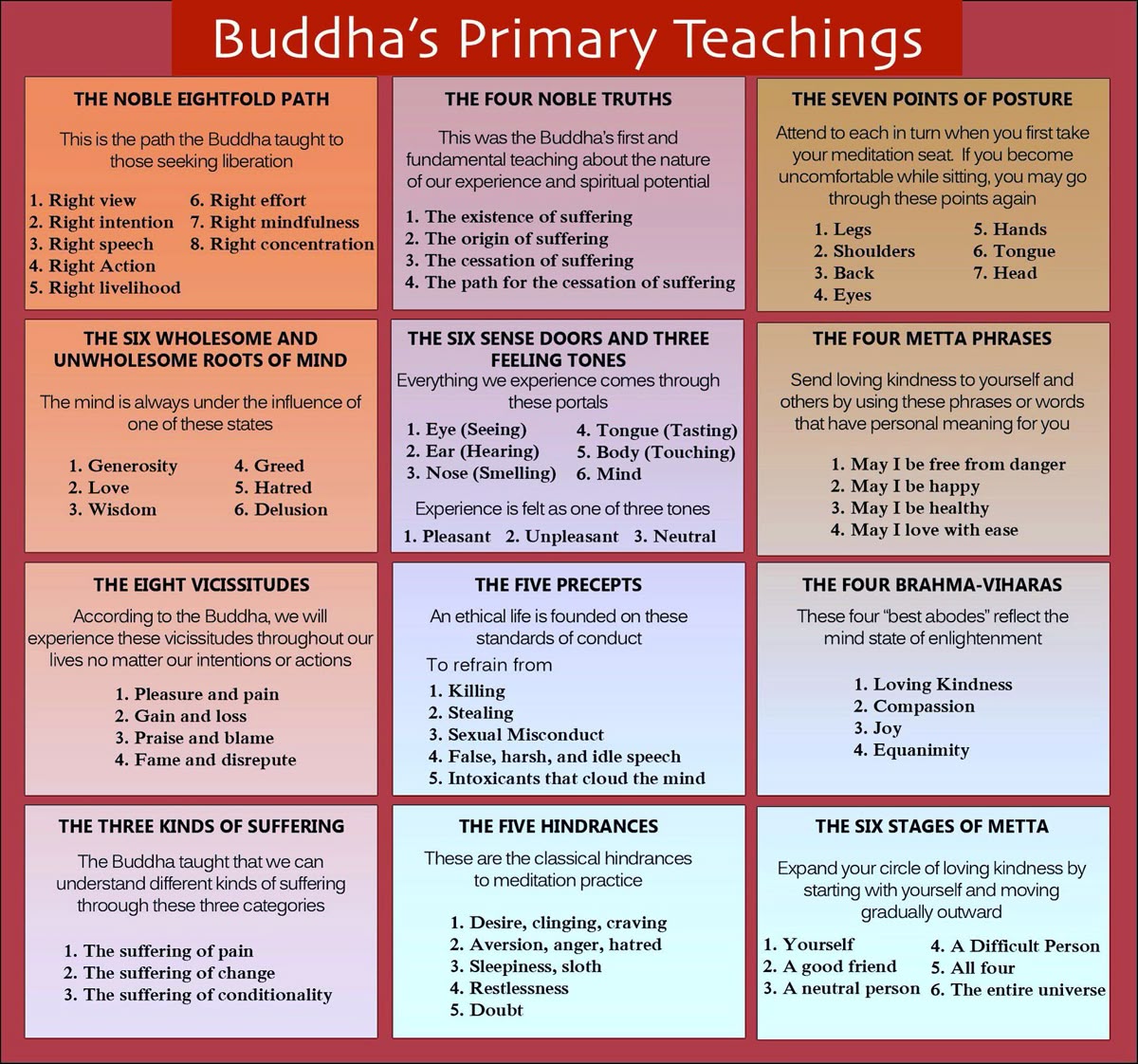
Everything the Buddha taught for 45 years revolves around one central problem and one solution:
| Problem | Solution |
|---|---|
| Suffering exists | End suffering |
| Suffering has a cause (craving + ignorance) | Remove the cause |
| Suffering can end | Realize its end (Nirvana) |
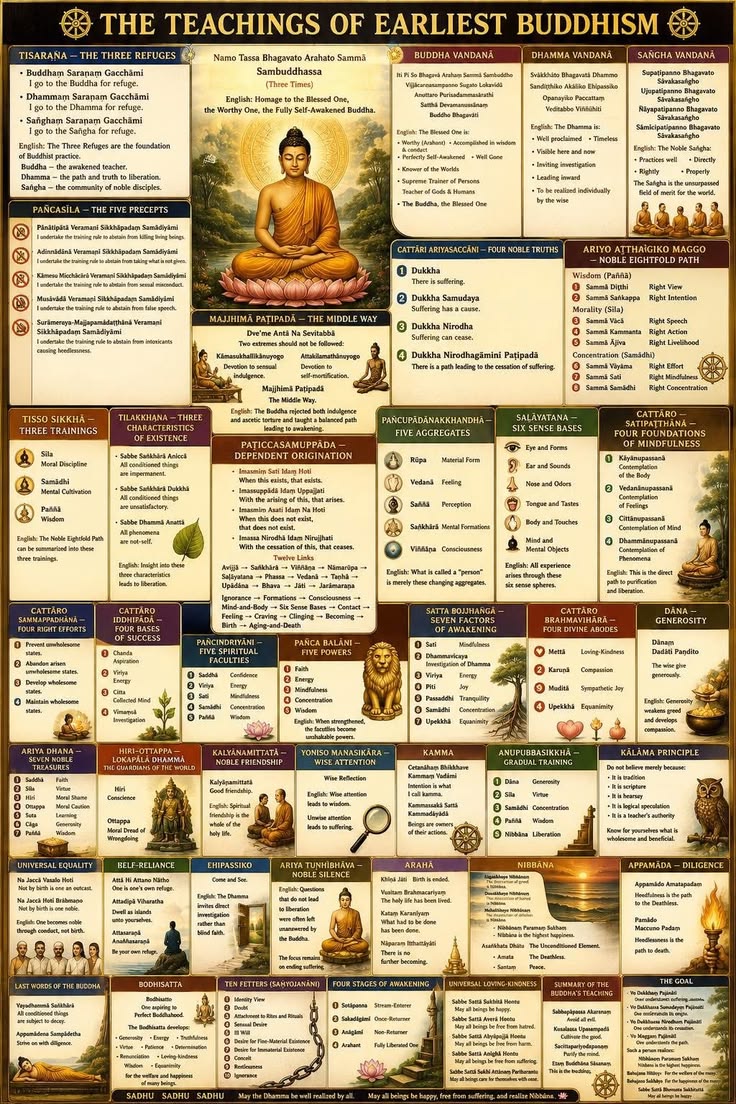
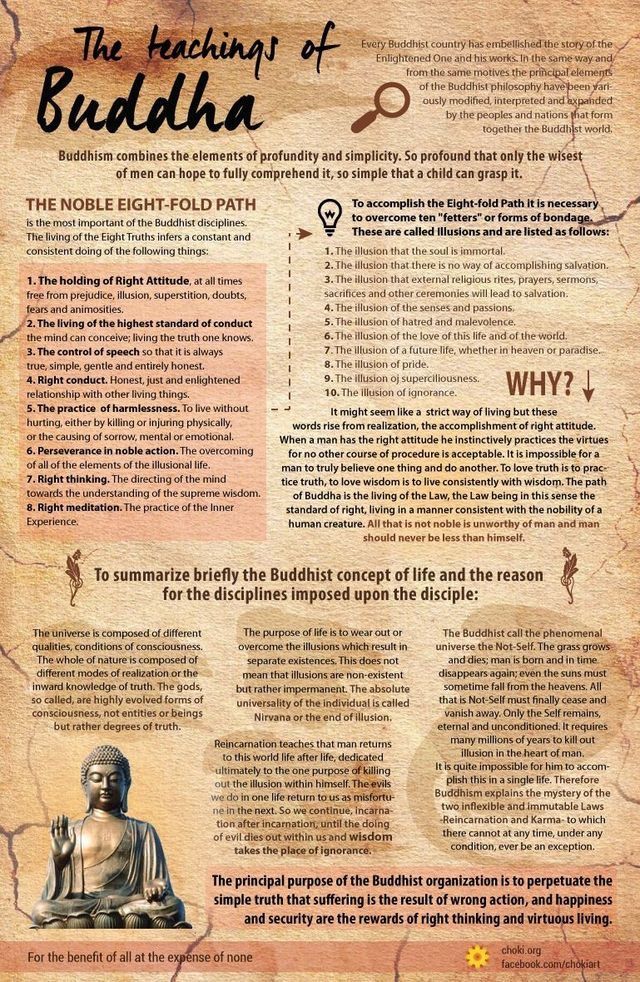
| There is a path to end it | Walk the Noble Eightfold Path |
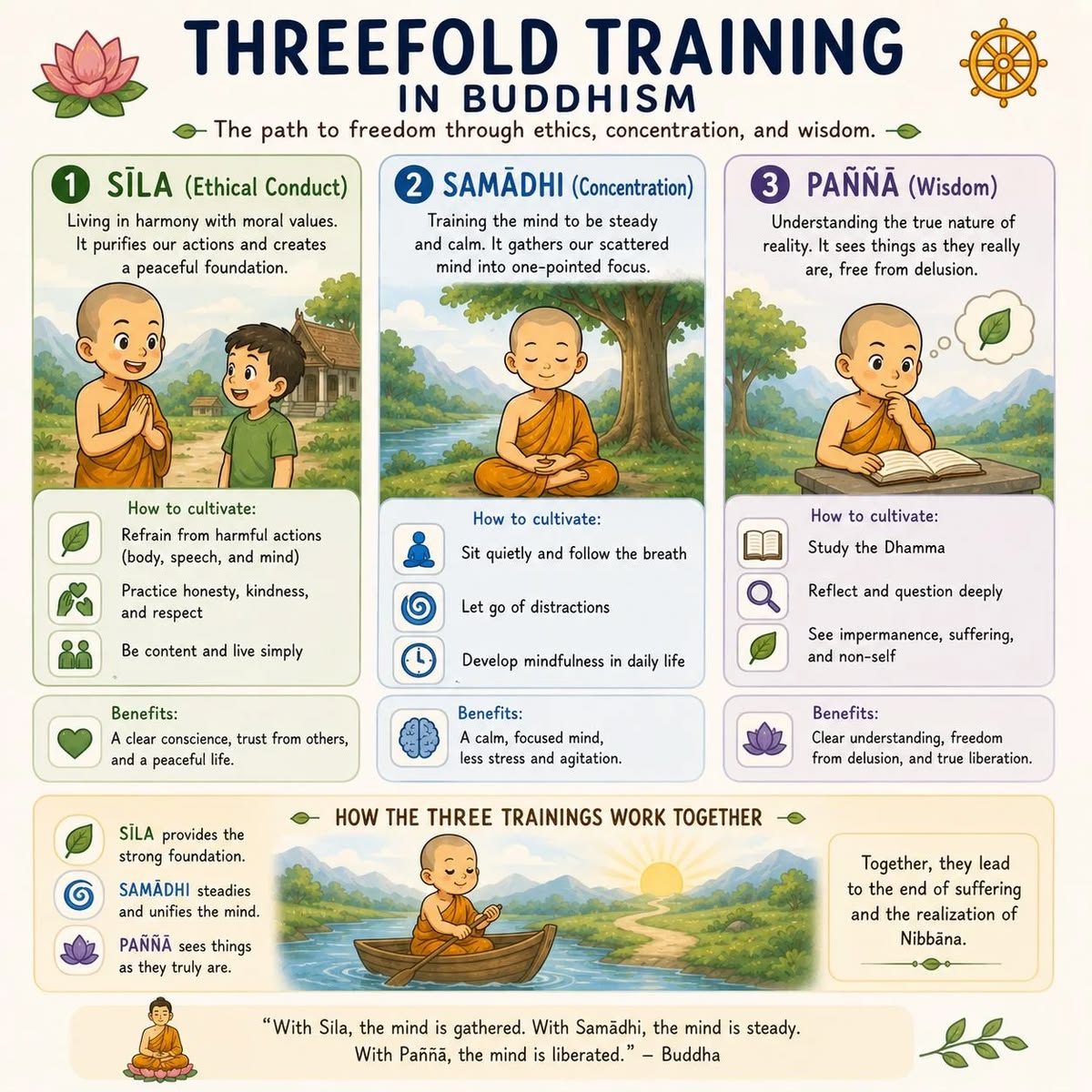
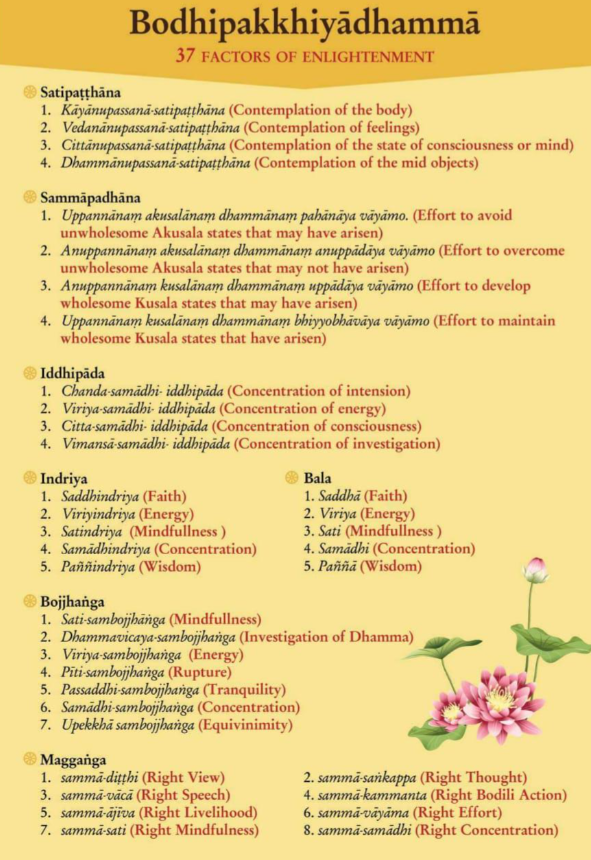
The Noble Eightfold Path is divided into three practical trainings:
| Training | Components |
|---|---|
| Wisdom (Prajna) | 1. Right View & 2. Right Intention |
| Morality (Sila) | 3. Right Speech, 4. Right Action, 5. Right Livelihood |
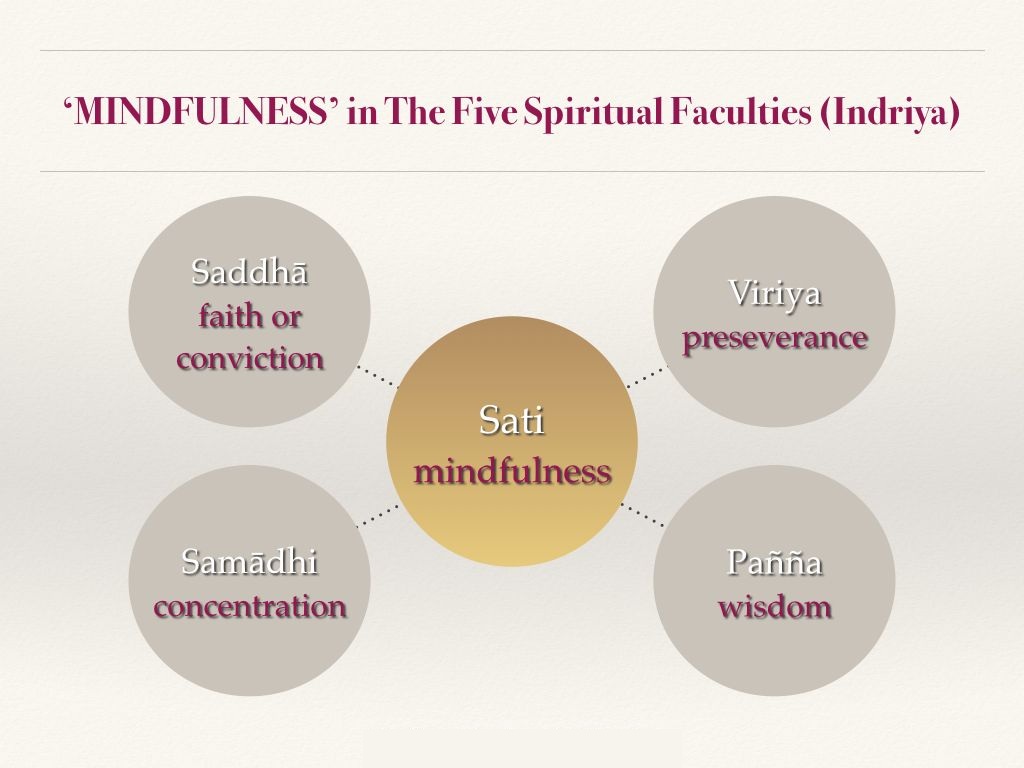
| Meditation (Samadhi) | 6. Right Effort, 7. Right Mindfulness, 8. Right Concentration |
Major Themes He Repeatedly Taught
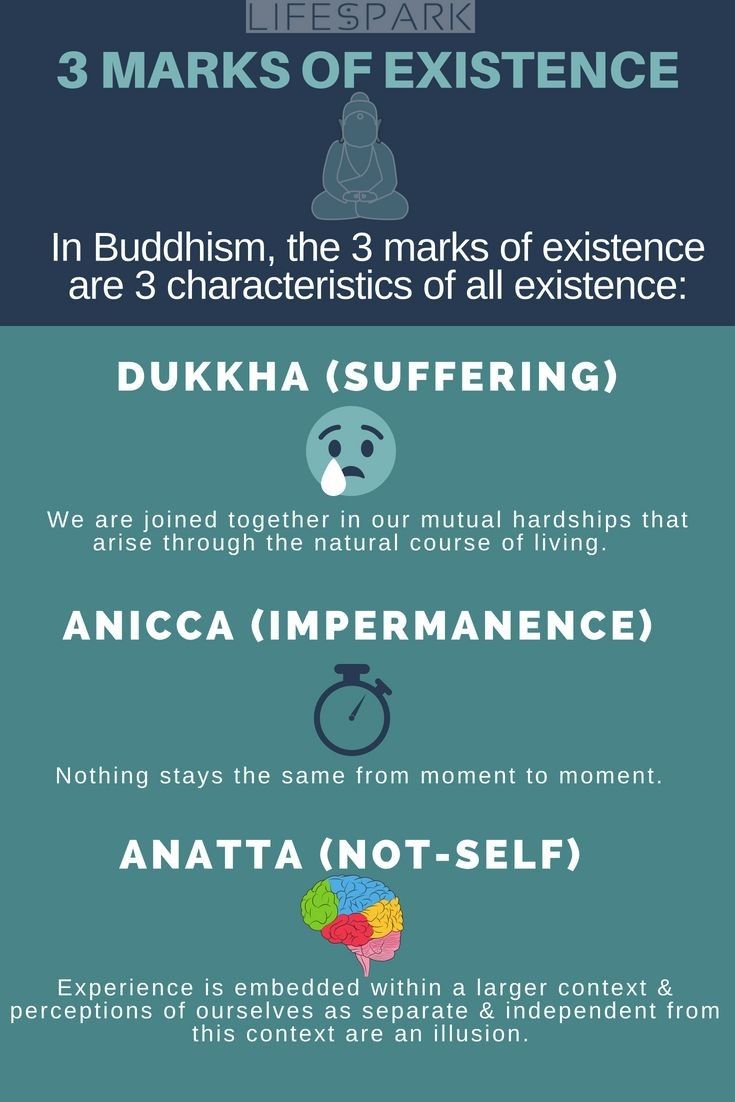
1. Impermanence (Anicca)
"Everything changes. Nothing lasts."
The Buddha constantly reminded that all conditioned things — feelings, thoughts, relationships, even the body — are in constant flux. Clinging to what changes is the root of pain.
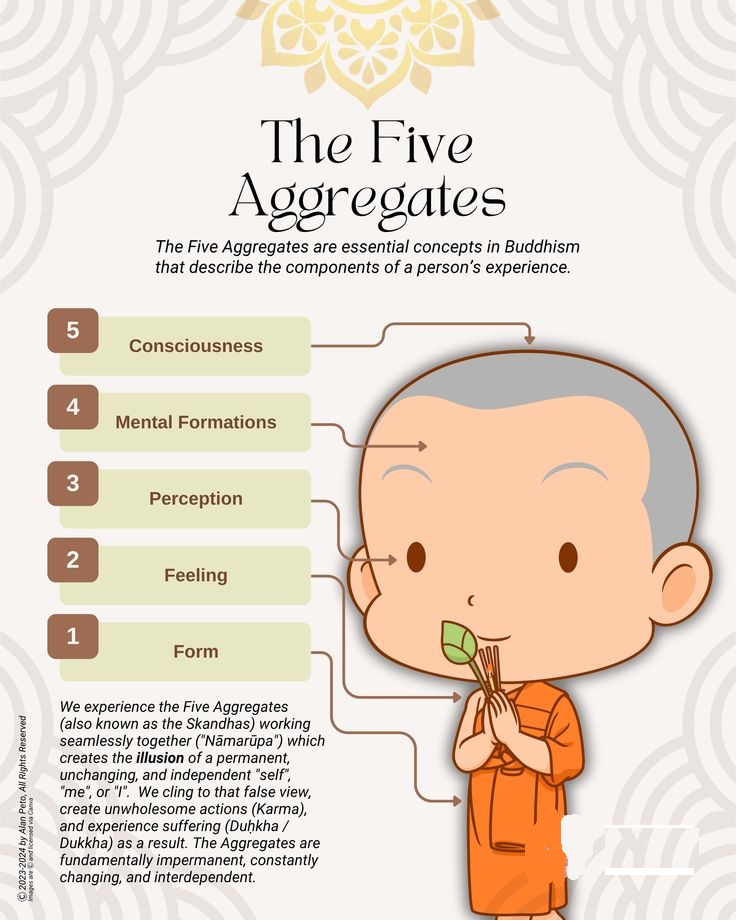
2. Non-Self (Anatta)
"There is no permanent, unchanging 'soul' or 'self' inside you."
What we call "I" is just a flowing combination of five aggregates: form, feeling, perception, mental formations, and consciousness. Letting go of the illusion of a solid self brings great freedom.
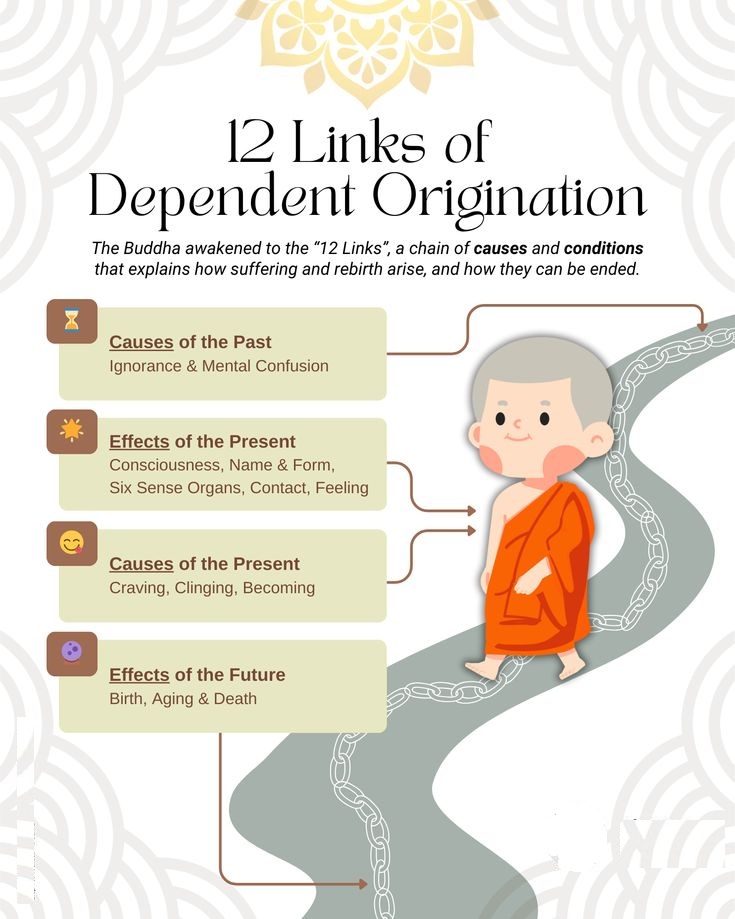
3. Dependent Origination (Paticca-samuppada)
"This exists because that exists. This ceases because that ceases."
Everything in life arises due to causes and conditions — including suffering. By removing the root cause (ignorance and craving), suffering naturally ends.
4. The Middle Way
He rejected two extremes:
-
Indulgence in sensual pleasures (too lazy, leads to more craving)
-
Self-torture (too extreme, leads to exhaustion)
Instead, he taught a balanced, practical path of mindful living.
5. Karma and Rebirth
He taught that intentional actions (thoughts, words, deeds) have consequences — not as divine punishment, but as natural moral law. These actions shape one's future experiences and rebirths. However, the ultimate goal is to escape rebirth entirely by attaining Nirvana.
6. Loving-Kindness and Compassion (Metta & Karuna)
He emphasized universal goodwill toward all beings — without exception. He instructed monks to radiate loving-kindness in all directions and to treat even enemies with compassion.
Three Major "Turning of the Wheel" (Summary of Progressive Teachings)
Many Buddhist traditions classify his 45 years into three major phases:
| Phase | Focus | Audience |
|---|---|---|
| First Turning | The Four Noble Truths, Eightfold Path — basic framework of suffering and liberation | General public, monks |
| Second Turning | Emptiness (Shunyata) — deeper insight that even the teachings themselves are "empty" of fixed nature | Advanced practitioners |
| Third Turning | Buddha-nature — the idea that all beings have an innate potential for awakening | Those ready for ultimate teachings |
(Note: This classification is more emphasized in Mahayana Buddhism, but Theravada focuses mainly on the first turning as complete.)
His Last Words
On his final day, at age 80, after eating his last meal, he told his gathered disciples:
"All conditioned things are subject to decay. Strive on with diligence."
(Appamadena sampadetha)
He then passed into Parinirvana (final, deathless liberation) — not as a tragedy, but as the ultimate teaching on impermanence.
In Essence
For 45 years, the Buddha did not teach philosophy, metaphysics, or theology. He taught one thing only — how to end suffering here and now, through your own effort, mindfulness, and wisdom.
He famously said:
"I teach only two things: suffering and the end of suffering."
Photo Collection