 DhammaJāta Arañña
DhammaJāta Arañña
DhammaJāta Arañña
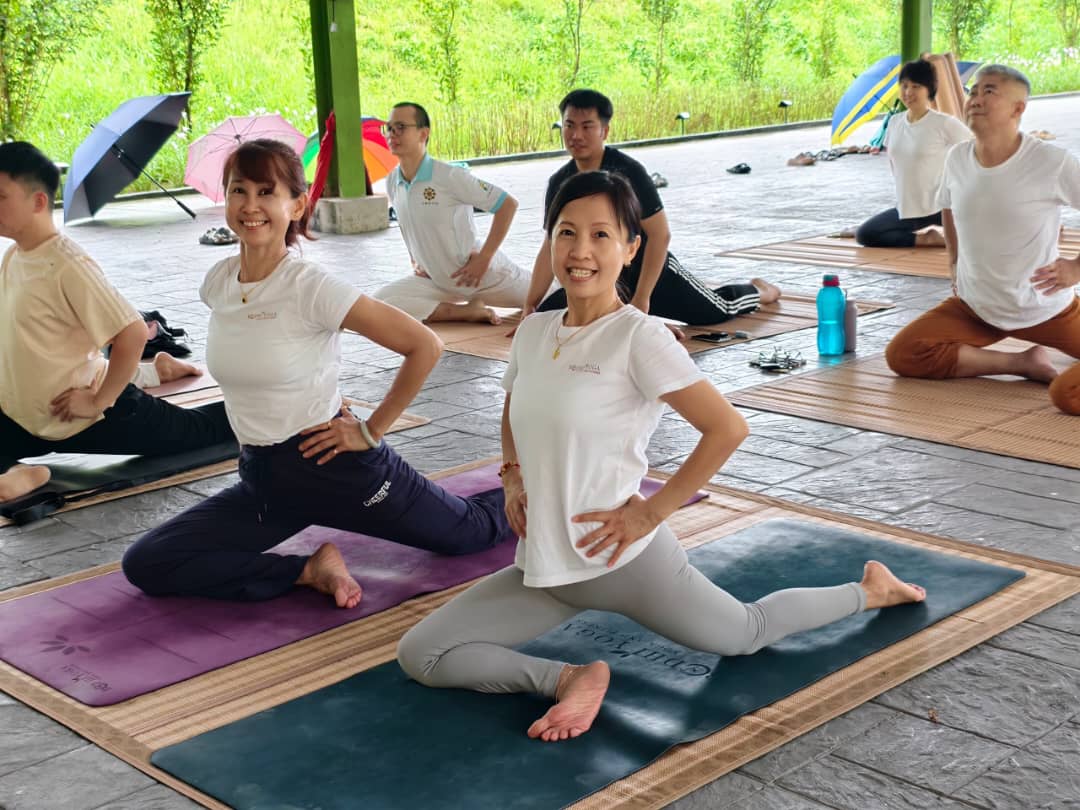
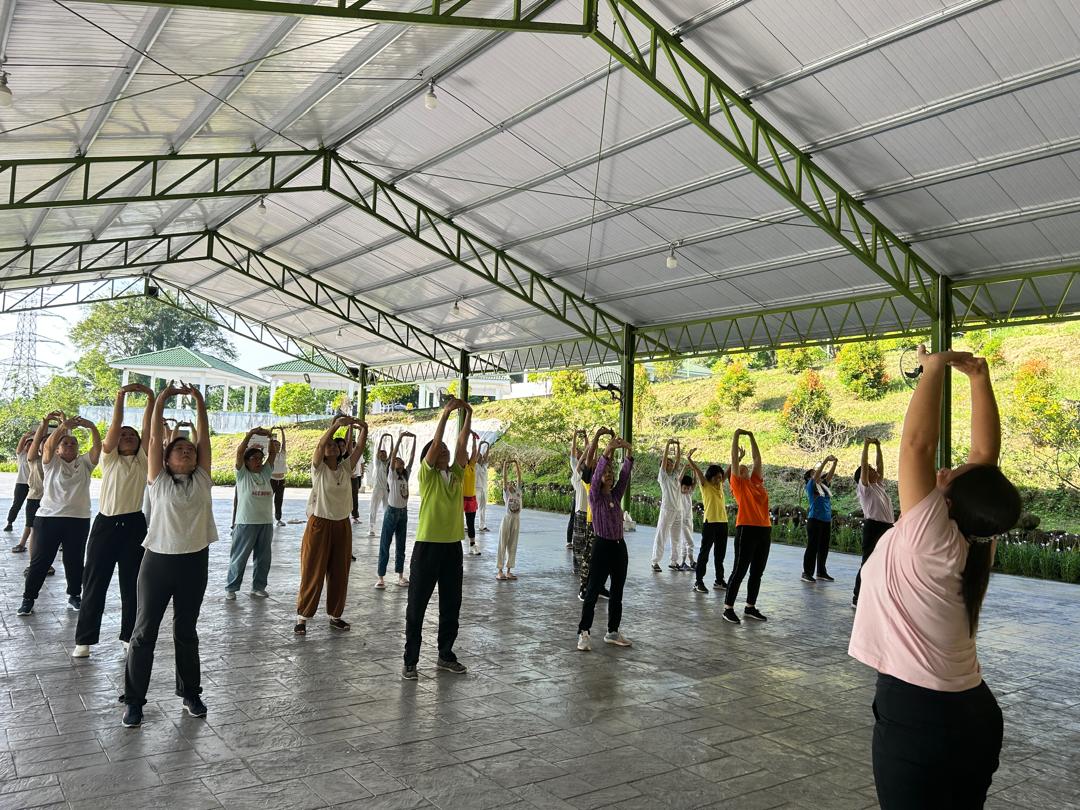
The Buddha explicitly taught in the Dhammapada: "Health is the supreme gain" — freedom from illness is the greatest benefit in this world. DhammaJāta Arañña upholds the Buddha's teachings by not only advocating spiritual cultivation, but also placing high importance on holistic well-being. We actively promote health and wellness activities including Qigong, Yoga, Detoxification, and Nutrition, encouraging the public to establish the mindset of "prevention is better than cure" and fulfilling the principle that "a healthy body supports the path."
Through diverse natural wellness practices, helping practitioners restore mind-body balance and vitality.
Opens channels, harmonises energy and blood. Uses inner energy to clear the meridians and activate the body's self-healing capacity. "When the meridians are clear, no illness arises."
Harmonises body and breath, unites body and mind. Through postures, breathing techniques, and meditation, it releases stress, enhances flexibility and balance.
Purifies the body, removes blockages. Through dietary regulation, movement, and mental detoxification, it restores normal metabolic function.
Food as medicine, prevention first. A balanced, wholesome diet forms the foundation of disease prevention and long-term health maintenance.
When Prince Bodhi expressed the view that "pleasure is to be gained only through pain," the Buddha used the analogy of training an elephant to explain that learning requires fundamental qualities, expounding the "Five Factors of Endeavour":
"A bhikkhu has faith... he is free from illness and affliction, possessing good digestion, neither too cold nor too hot, capable of diligence... he is honest, upright... energetic, and wise."
The Buddha listed "freedom from illness" alongside faith, honesty, energy, and wisdom. Illness hinders diligence on the path. A healthy physical body is regarded as an indispensable prerequisite for receiving the Dhamma.
Canonical scriptures record that Prince Bodhi sent a messenger to enquire after the Buddha's health: "Asking whether the Blessed One is free from illness, free from affliction, light, strong, and dwelling at ease." This reflects the highest form of respect and care in Buddhist tradition.
Buddhist meditation and wellbeing are inseparable. Meditation uses the threefold training of mind, body, and breath as a means of self-mastery and holistic refinement.
Focusing the mind, investigating the Dhamma, developing calm and wisdom. A calm mind leads to harmonious energy.
Sitting and walking postures, opening the energy channels. A healthy body supports the path.
Deep, prolonged breathing, promoting energy and blood circulation. Balanced breathing leads to smooth energy.
As recorded in meditation texts: "If one properly manages meditation, harmonising body and breath through the power of the path, one will surely be free from illness." When concentration deepens, inner energy flows freely, eliminating physical grossness and restoring natural health.
Meditation requires a healthy body as its foundation. Those who practice long-term experience physical lightness and calm due to mental tranquillity; health improvement is a natural side effect.
When one person is ill, the whole family worries. When parents cultivate healthy habits, they give their children the best role model, reducing medical burdens and safeguarding family financial stability.
Embracing "prevention first" reduces chronic disease rates and eases pressure on public healthcare systems. A healthy body and mind are the most precious legacy for future generations.
Freedom from illness is the greatest gain. Protecting health for individuals and families.
Enhancing immunity and self-regulation to better face life's challenges.
Only a healthy life has the capacity to pursue higher spiritual goals.