 DhammaJāta Arañña
DhammaJāta Arañña
DhammaJāta Arañña
DhammaJāta Arañña upholds the Buddha's true Dhamma, emphasizing ethics, morality, and kamma (cause and effect) education alongside spiritual practice. Centered on the six-directional human relationships taught in the Sigālovāda Sutta, we inspire individuals to fulfill their roles and responsibilities to create a peaceful world, a stable society, a happy family, and a bright life mission. We host Dhamma leadership programmes across all age groups — children, youth, young adults, and parent-child.
The Buddha expounded true "reverence of the six directions," encompassing all fundamental human relationships and ethical duties.
Children respect and care for parents through five duties; parents restrain from evil, guide to good, educate, assist in marriage, and hand over inheritance.
Students serve teachers with respect and diligence; teachers train, care for, praise, protect, and impart complete knowledge to students.
Husbands treat wives with courtesy, fidelity, authority, and gifts; wives manage domestic duties, care for household, stay faithful, and preserve wealth.
Treating friends with generosity, kind words, helpfulness, equality, and honesty; friends protect each other from heedlessness and adversity.
Employers assign work according to capacity, pay fair wages, provide care, and give leave; employees work diligently,<br>stay honest, and respect employers.
Lay practitioners support monastics with loving-kindness and requisites; monastics guide, restrain from evil, teach the Dhamma, and show the path to peace.
DhammaJāta Arañña places equal emphasis on ethics education and kamma (cause and effect) education:
• Ethics Education: Teaches right human relationships and responsibilities. Practising ethics builds virtues of benevolence, righteousness, propriety, wisdom, and trustworthiness, making one ashamed of wrongdoing.
• Kamma Education: Teaches the law of cause and effect: "Wholesome causes yield wholesome results; unwholesome causes yield unwholesome results." Kamma education instils reverence and fear of wrongdoing.
Systematic training covering every vital stage of lifelong growth.
Teaching basic ethics of respecting parents and teachers, understanding kamma through engaging stories.
Practising six-directional relationships, cultivating self-discipline, responsibility, and moral discernment.
Deepening understanding of ethics, cultivating leadership, service mindset, and future Dhamma leaders.
Deepening family ethics, parents and children learning together to build harmonious homes.
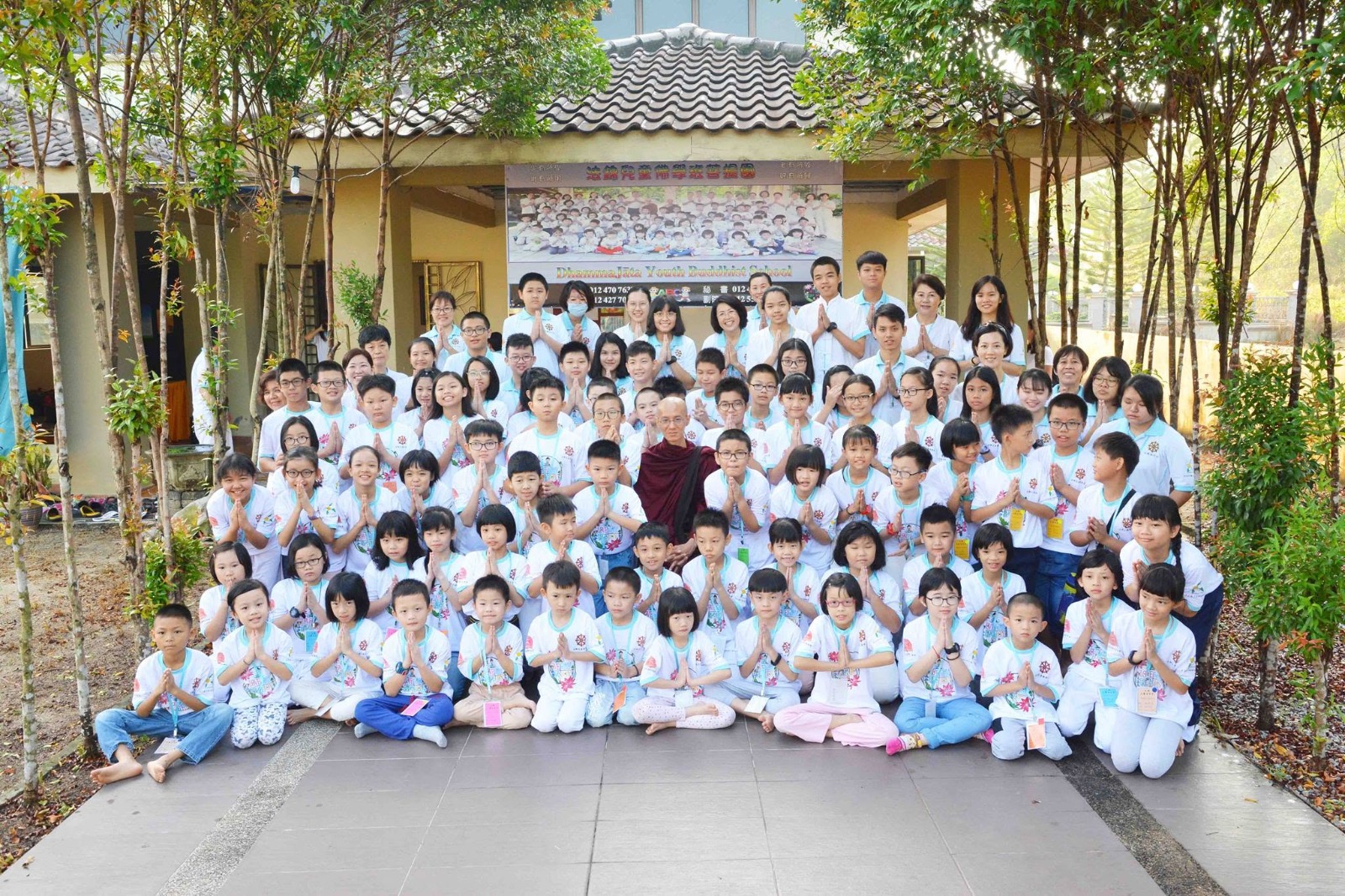
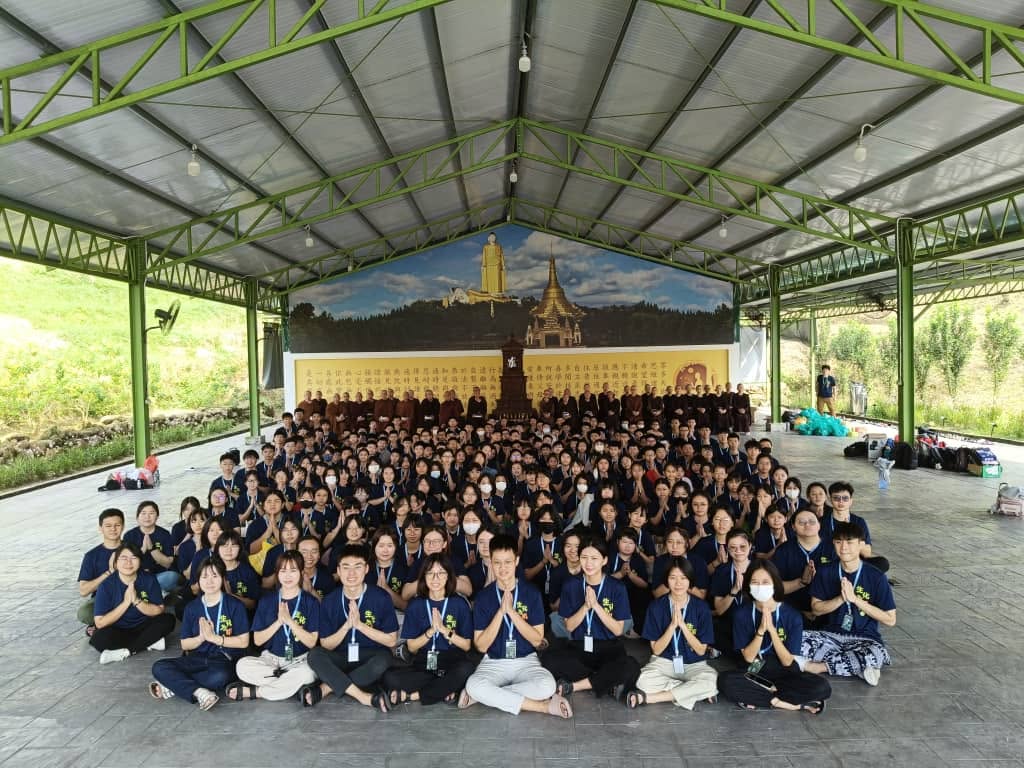
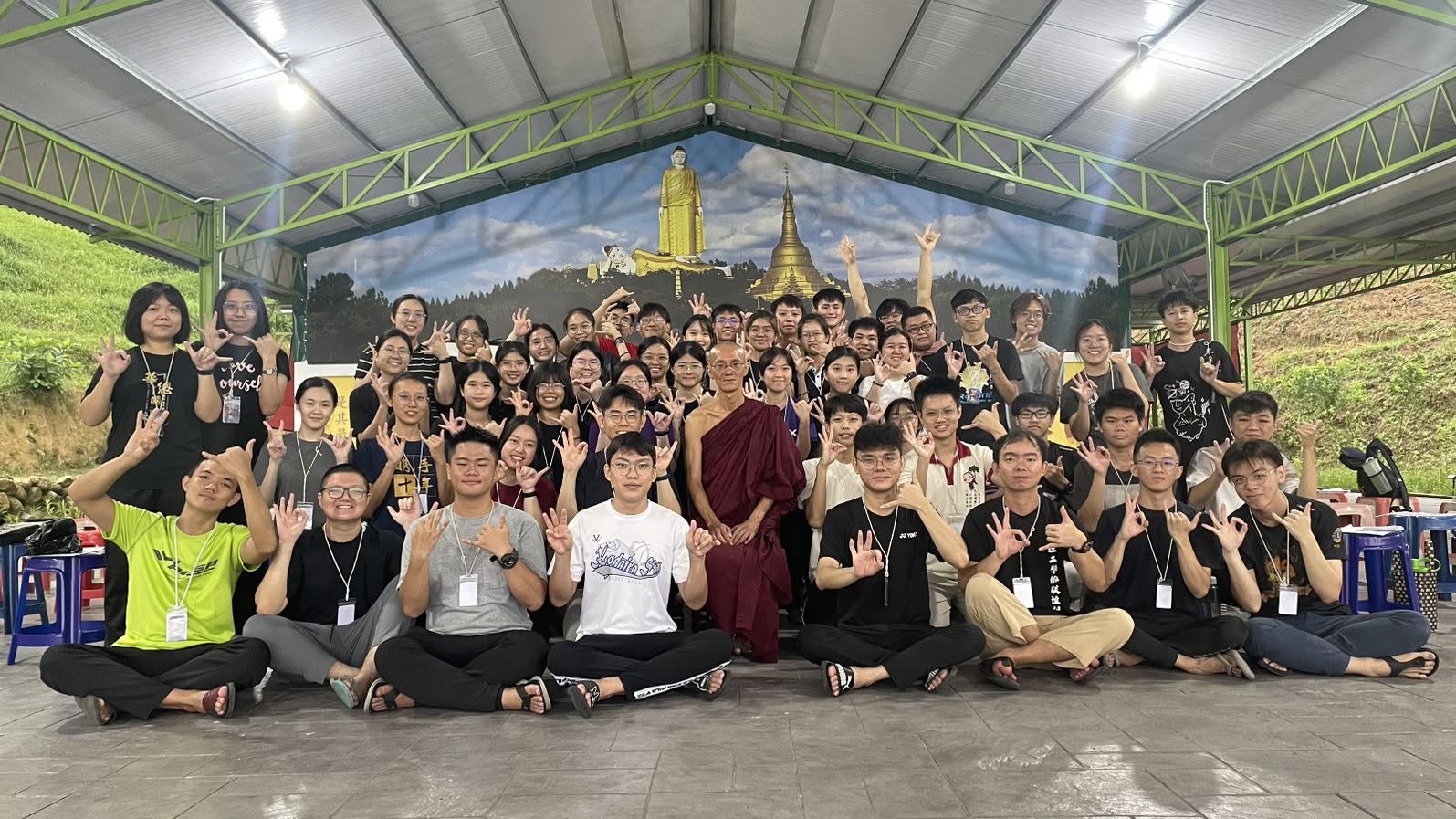
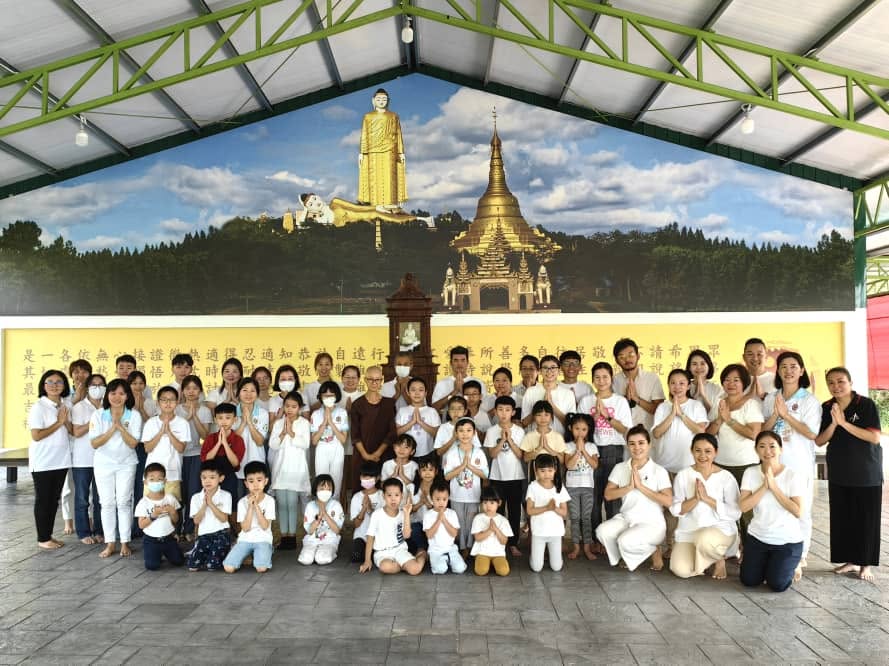
Practising ethics cultivates loving-kindness and compassion, establishing a pure foundation for meditation. Kamma education builds "straightening one's views" (right view).
The Sigālovāda Sutta details mutual duties in families. A family that accumulates wholesome deeds enjoys lasting blessings; moral example protects children far better than material wealth.
Reducing social conflict and purifying society. The moral character and wholesome deeds of parents create supportive conditions for future generations, nurturing Dhamma successors.