 DhammaJāta Arañña
DhammaJāta Arañña
DhammaJāta Arañña
Virtuous conduct that steadies the heart and supports wisdom.
In a world where chaos and distractions pull us in every direction, the power of virtuous conduct stands as a beacon of hope and transformation. sīla, or virtue/moral conduct, is a cornerstone of the Noble Eightfold Path. The practice of sīla is defined by the middle three factors of the Eightfold Path: Right Speech, Right Action, and Right Livelihood.
As all living beings desire to be happy and fear pain just as we do, then we abstain from all actions that deprive beings of happiness or increase their pain. A world where sīla is practiced is a world full of compassion, harmony, and security.
Undertakings that fit one's life situation and deepen virtue over time.
To cultivate sīla, practitioners voluntarily undertake a particular set of training rules appropriate to their life-situation.
The most basic practice of sīla is found in the Five Precepts, which guide lay Buddhists in their daily conduct. These precepts are:
By adhering to these precepts, practitioners create the moral foundation necessary for spiritual growth. Ethical conduct helps prevent harm to others and creates a peaceful mind, free from remorse or guilt.
A deeper undertaking that simplifies life and supports meditation.
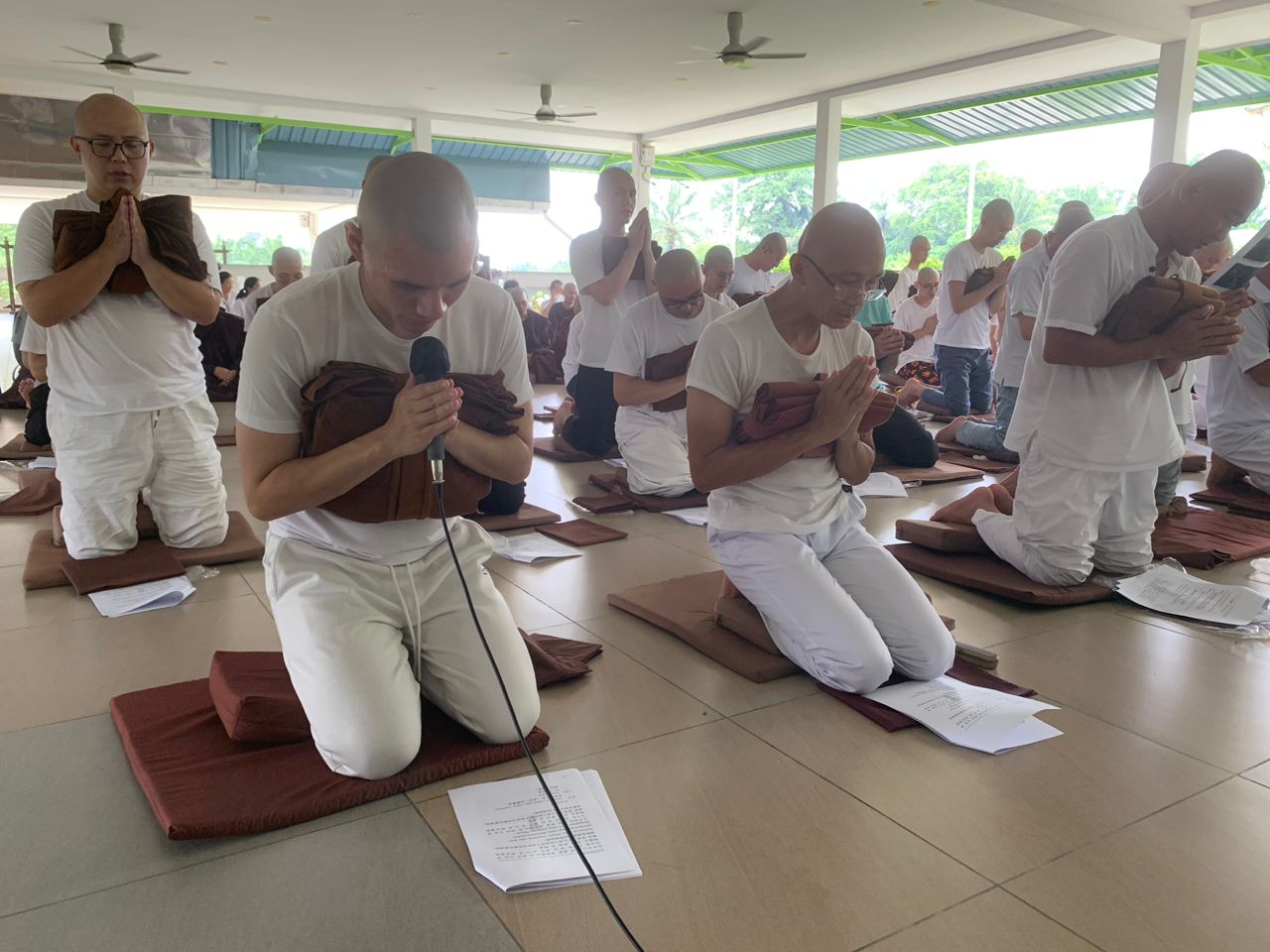
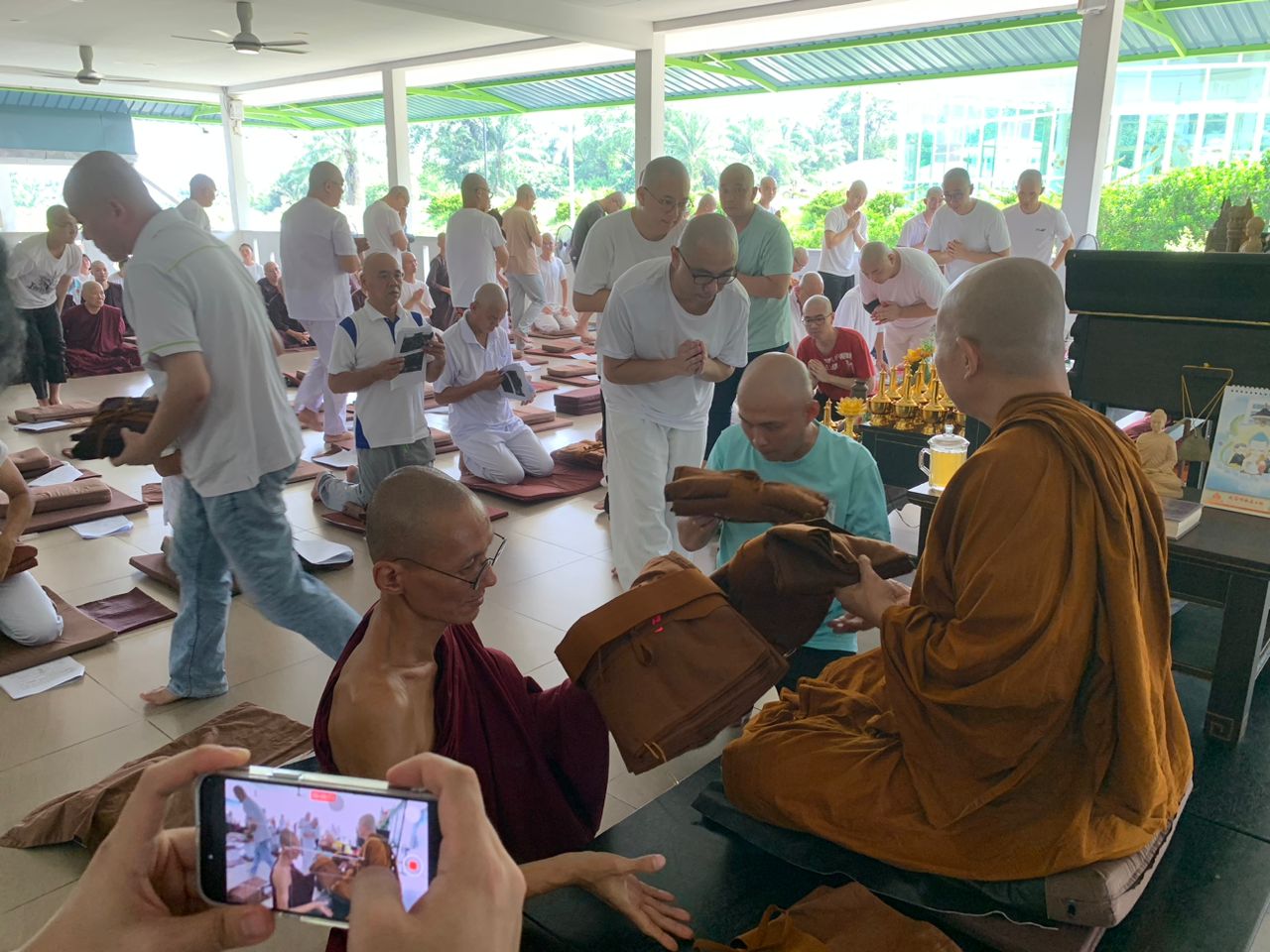
The Eight Precepts (Attha sīla) represent a higher level of moral discipline in Theravada Buddhism, often undertaken for deeper spiritual practice. While the Five Precepts form the basic ethical foundation for lay practitioners, the Eight Precepts are generally adopted by those seeking to intensify their commitment to moral purity, usually on special occasions like observance days (uposatha), retreats, or during periods of more serious spiritual practice.
The Eight Precepts are as follows:
Monastic sīla pertains to the ethical framework followed by Bhikkhus (monks), Sāmaṇera (novice monks) and Sayalays (nuns), who are dedicated to the path of renunciation and spiritual development. For monastics, sīla is a means of cultivating purity of mind, maintaining harmony within the community, and creating an environment conducive to meditation and enlightenment.
Monastics observe the Vinaya, a comprehensive code of conduct for monks and nuns, which includes the basic precepts such as refraining from killing, stealing, lying, and sexual activity. Bhikkhus follow a set of 227 monastic rules. Samaneras (novices), who are not yet fully ordained monks, observe 10 precepts which are:
In addition, Sāmaṇera also adhere to specific sikkhiyā (training rules), which are additional guidelines for their conduct. This Sāmaṇera stage is often seen as a preparation period, to train in monastic life, meditation, and ethical conduct before taking on the full responsibilities of a fully ordained Bhikkhu.
Sayalays (nuns) also adhere to the above 10 precepts.
Lay people take precepts from Bhikkhus at DhammaJāta Arañña Monastery everyday.