
The Essence of Humanistic Buddhism in Children's Education
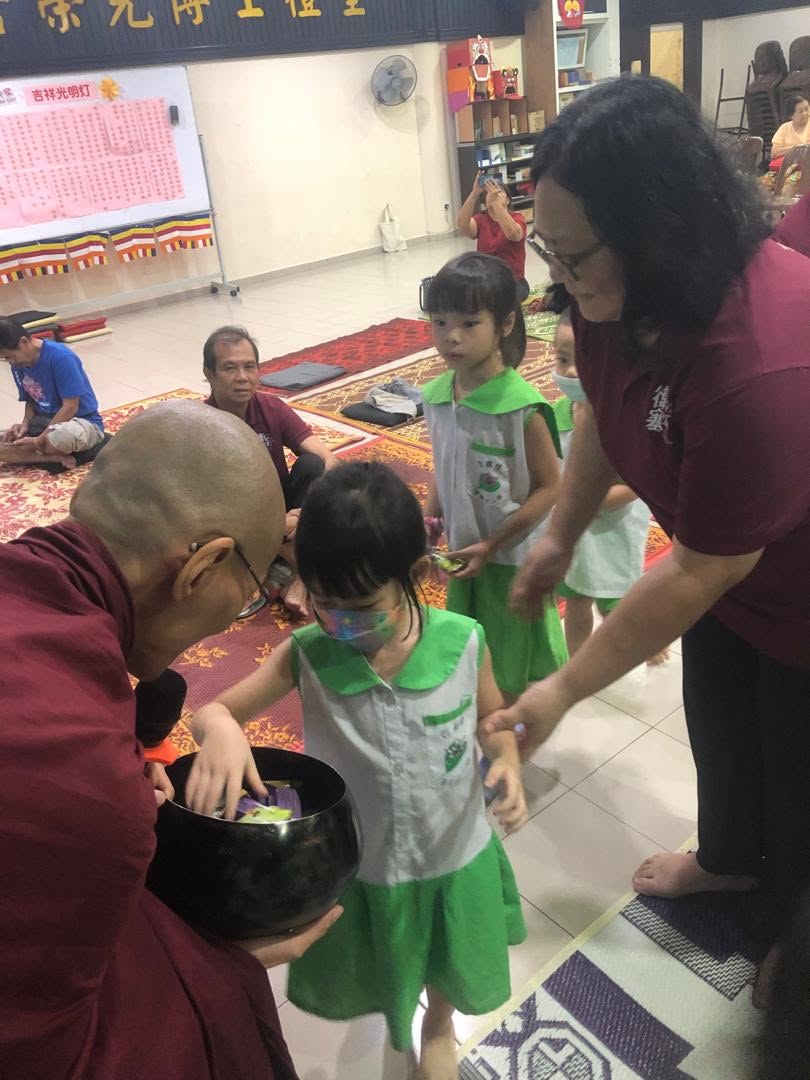
As the saying goes: "From childhood, one can see what the adult will become." The impressions received during childhood have a profound impact on the future. Compared to adults, children are like a blank sheet of paper with immense potential for shaping. Throughout history, wise parents have always given careful cultivation to their children from a young age.
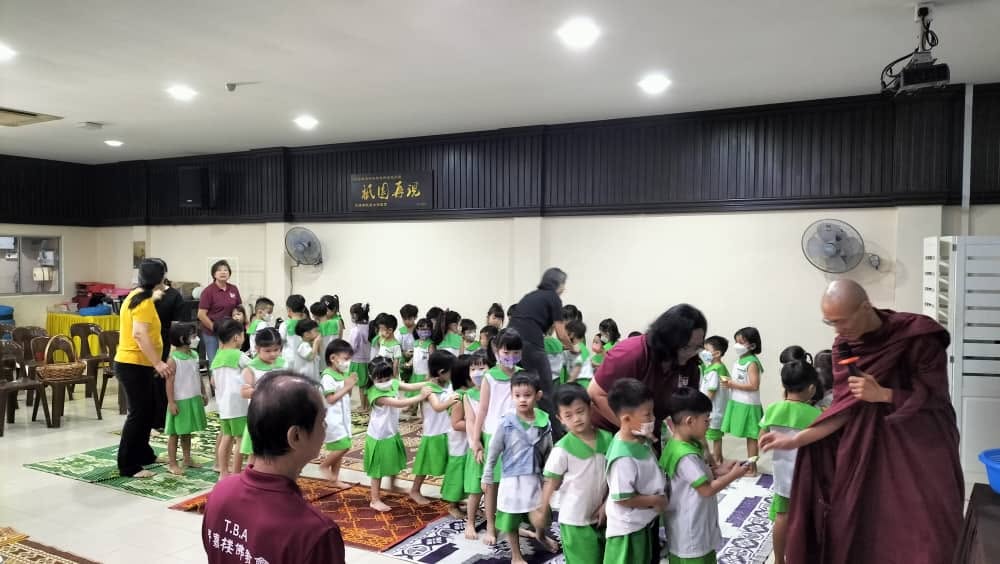
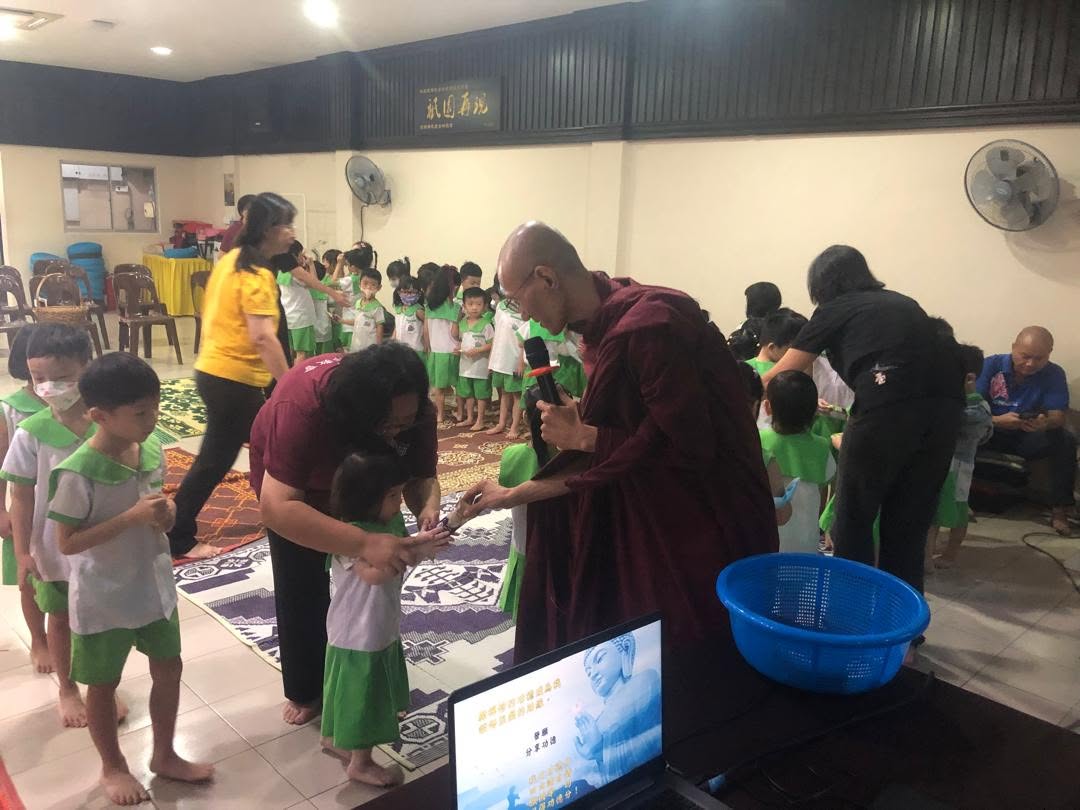
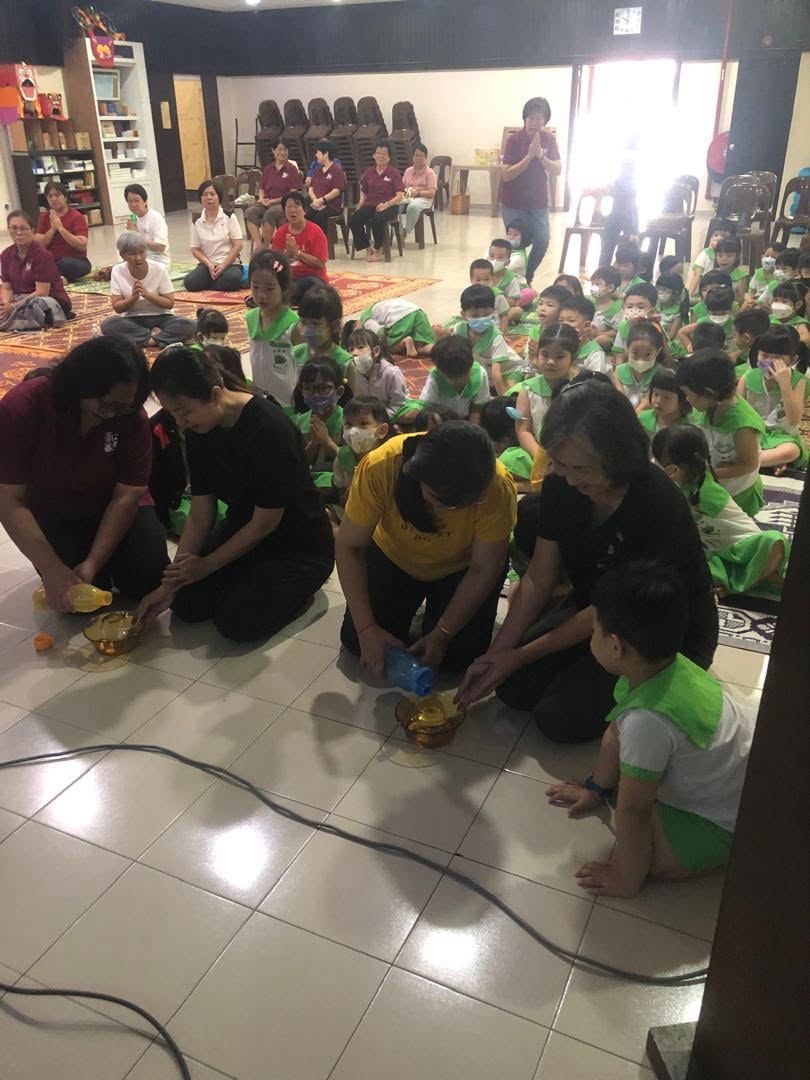
It is often said: "Children are the future masters of the world." Civilized societies, recognizing this truth, have invested significant resources and funding in children's education. As for Buddhism, which takes benefiting the world and guiding sentient beings as its mission, there is the teaching that "four small things should not be despised." Buddhism has its own unique insights and profound contributions to children's education. The following will explain the essence of Buddhist children's education from three aspects: its philosophy, methods, and characteristics.
I. From Rāhula's Attainment – The Philosophy of Buddhist Children's Education
1. Emphasizing the Concept of Cause and Effect (Kamma) in Children
2. Emphasizing Harmonious Relationships with Others
3. Emphasizing the Qualities of Loving-kindness, Compassion, Sympathetic Joy, and Equanimity
4. Emphasizing the Ability for Self-Awareness and Self-Discipline
II. From the Art of "Not Speaking It Out" – The Methods of Buddhist Children's Education
1. The Method of Compassionate Transformation
2. The Method of Teaching by Example (Identity and Rapport)
3. The Method of Self-Respect and Self-Esteem
4. The Method of Inquiry and Awakening through Questions and Answers
III. From the Spirit of "Real Life" – The Characteristics of Buddhist Children's Education
1. The Awakening Based on Equality
2. Emphasis on Practice and Realization in the Human Realm
3. Cultivating the Wisdom of Non-Duality
4. Living One's True Self
Looking at children today, they often lose their innocence and become overly worldly under the assumptions of adults. They are not happy at all, let alone able to radiate warmth and vitality. Therefore, to truly cherish children, it is best to become like children ourselves, learning together with them to understand conditions and timing, and doing our utmost to generate positive energy.
As the saying goes: "Children know little, but the less they know, the more complete it is; adults know much, but the more they know, the more fragmented it becomes." Among all forms of children's education, only Buddhist education does not seek to satisfy the needs of children or adults from the outside. Instead, it awakens the abundant potential inherent in everyone, reducing discrimination and delusion. Thus, it enables children to face problems with a holistic worldview, without becoming increasingly fragmented in their understanding of the world as knowledge and technology advance.
Today's children, compared to those in the past, possess more material wealth and have greater and more convenient access to knowledge. Yet they are not happier for it. Many children are either forced to attend tutoring sessions and learn various skills from a young age, or are raised by 3C devices (computers, communications, and consumer electronics) as "nannies." As a result, their stress increases, their interests wane, and they become addicted to the virtual world of the internet, losing the ability to live in the real world — or becoming depressed, withdrawn, and lost. Children who are economically, environmentally, or intellectually disadvantaged are often forced to give up educational opportunities, or lack proper guidance, leading to low self-esteem and self-abandonment. As a consequence, the juvenile crime rate increases year by year, while the age of offenders decreases year by year. If this continues, it will not only undermine national strength but also pose a major concern for the development of human civilization.
Adults are mirrors for children. Faced with this crisis, parents, teachers, and society as a whole must take responsibility. From the Buddha's teaching examples, the patriarchs' educational approaches, and the distinctive characteristics of Buddhist education mentioned above, we can see that Buddhism's views on Buddha-nature, causality, compassion, wisdom, life, and the world directly address the subtle aspects of the human mind. Integrating teachings through words, actions, and environment, while balancing human nature and moral principles, Buddhist education is the most ultimate form of children's education — worthy of promotion by all those who are committed to this cause.
Buddha Sāsanaṃ Ciraṃ Tiṭṭhatu.
May the Buddha's Dispensation be Prolonged.
"Sabbe Sattā Bhavantu Sukhitattā."
May all beings be Well & Happy. 🙏🙏🙏
1 / 8