
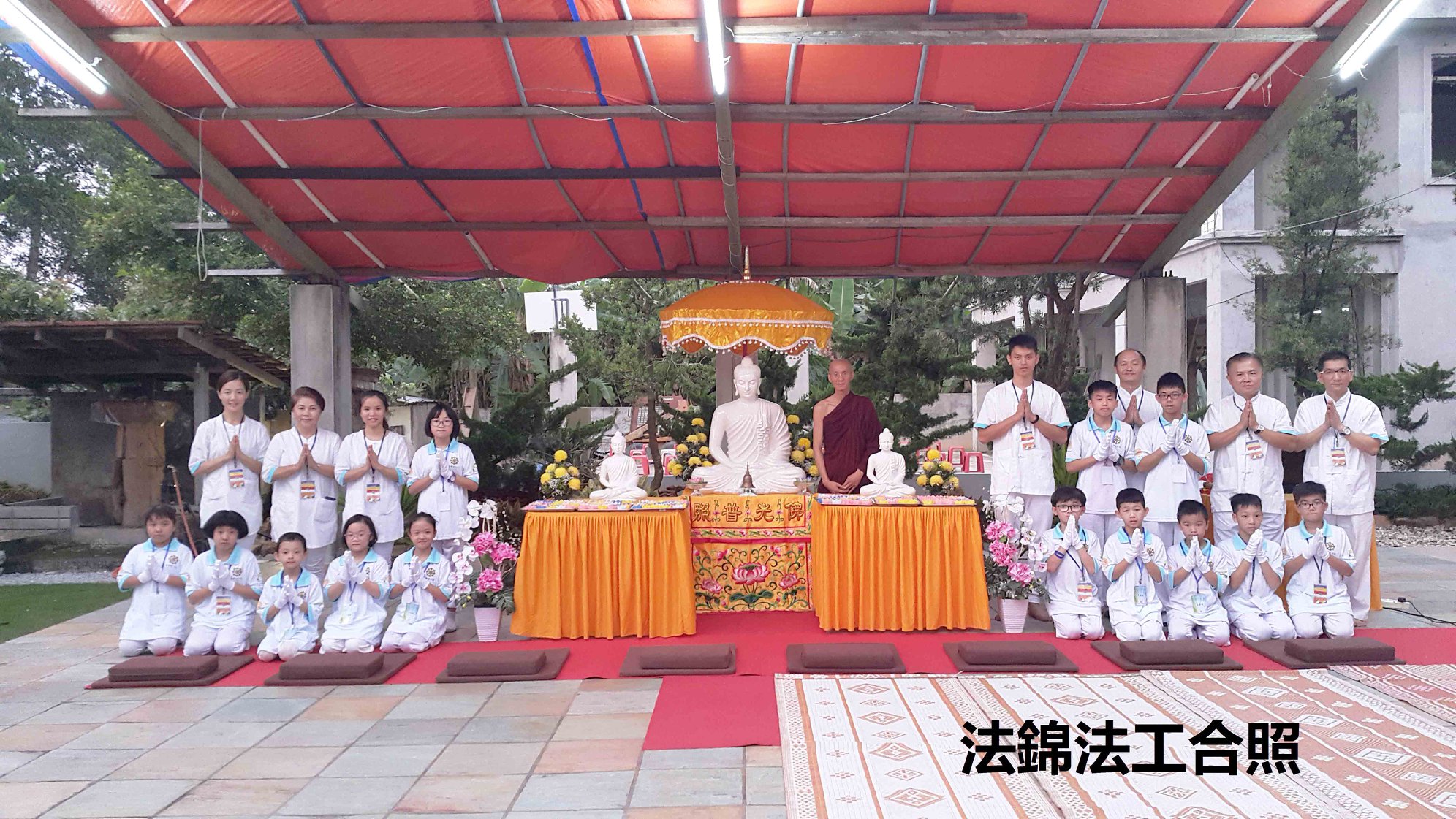
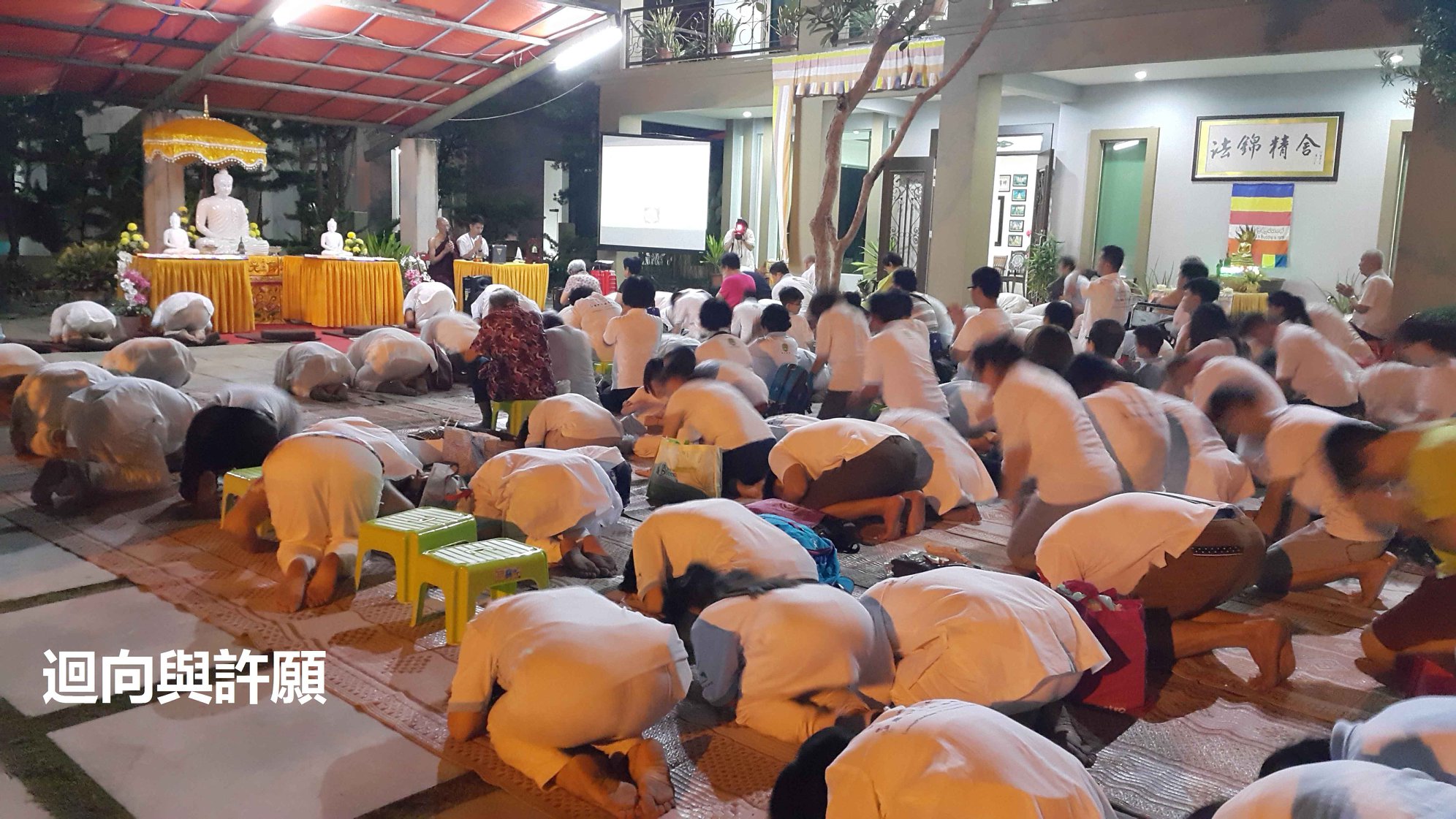
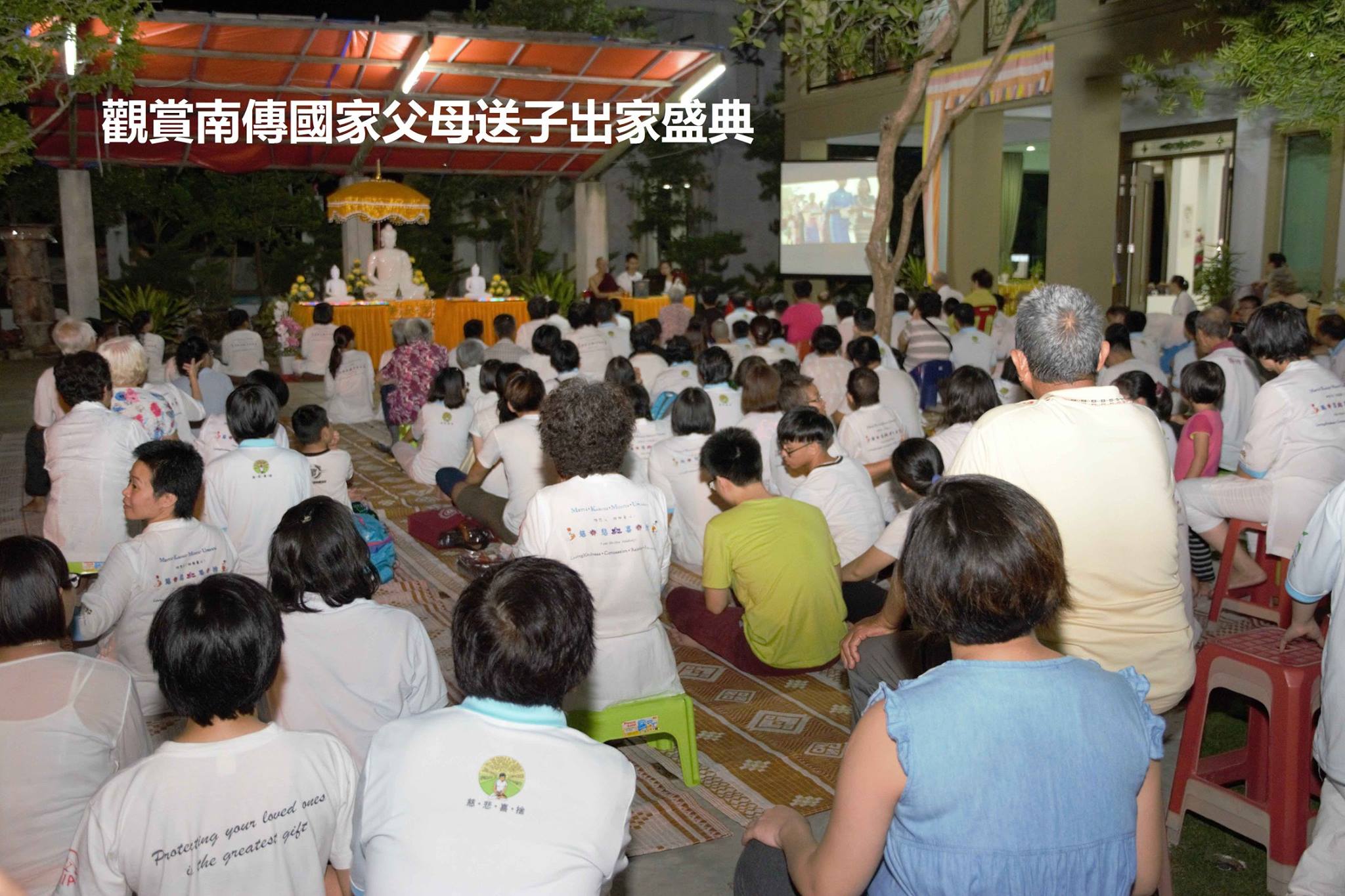
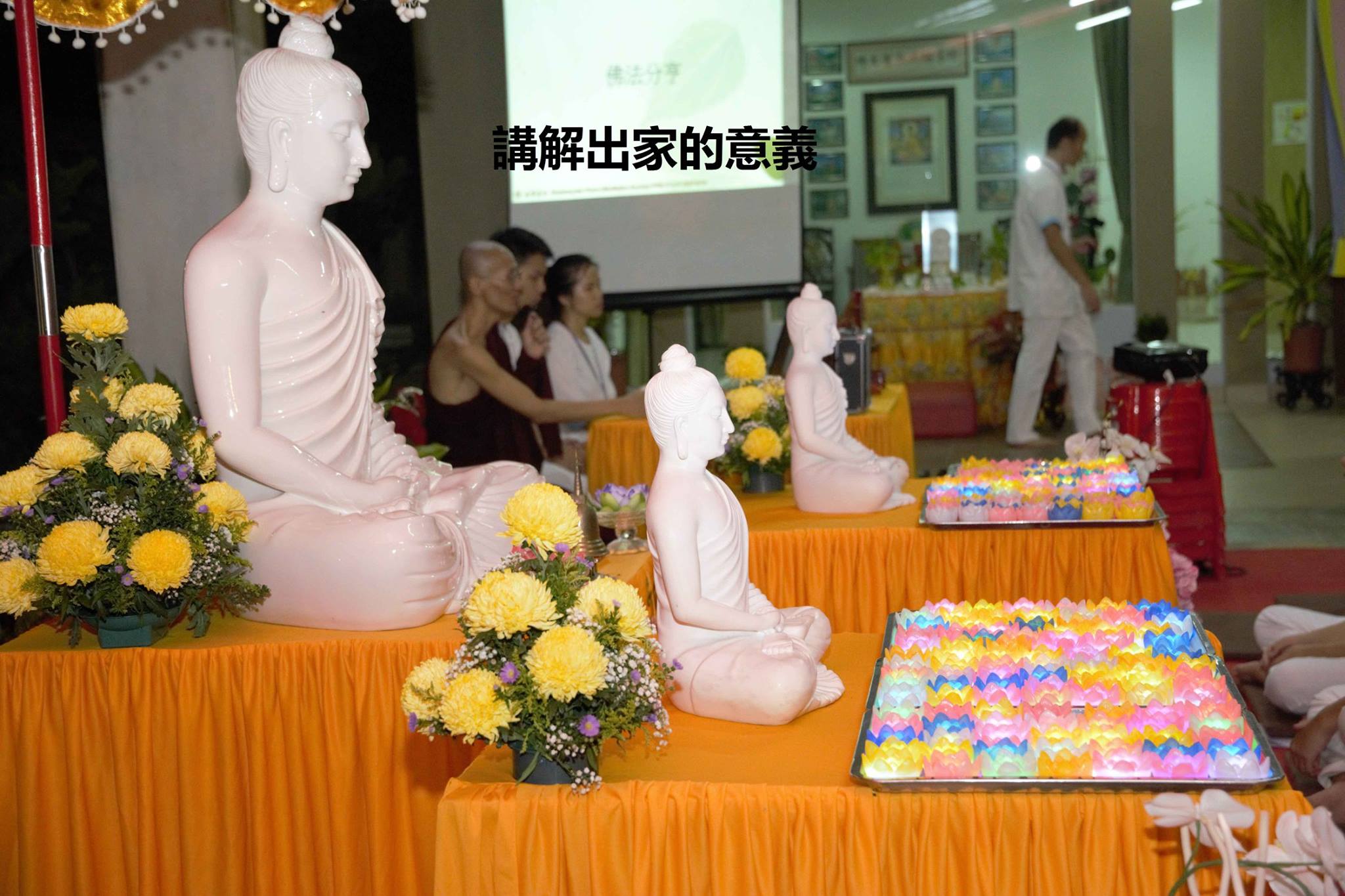
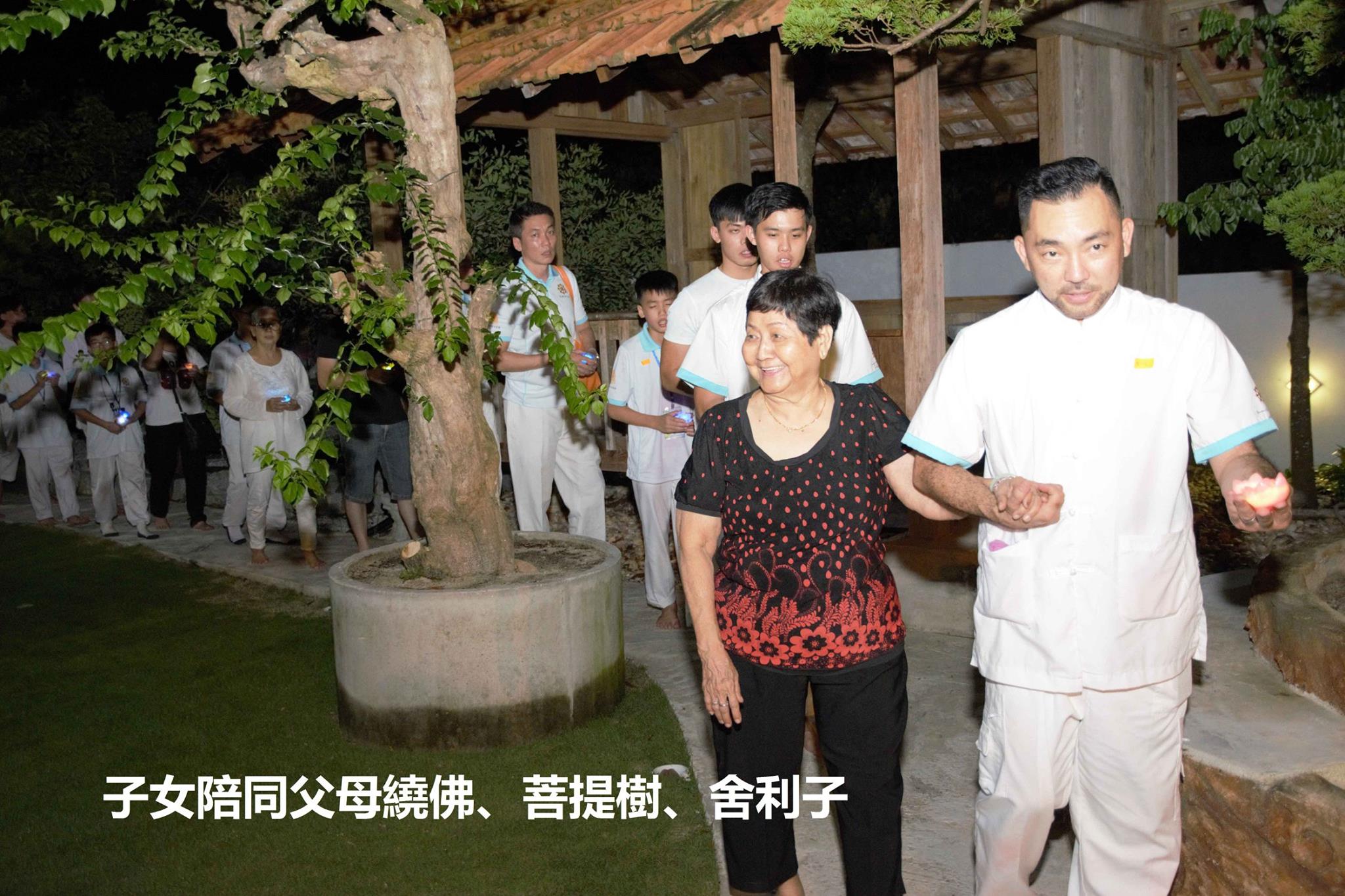
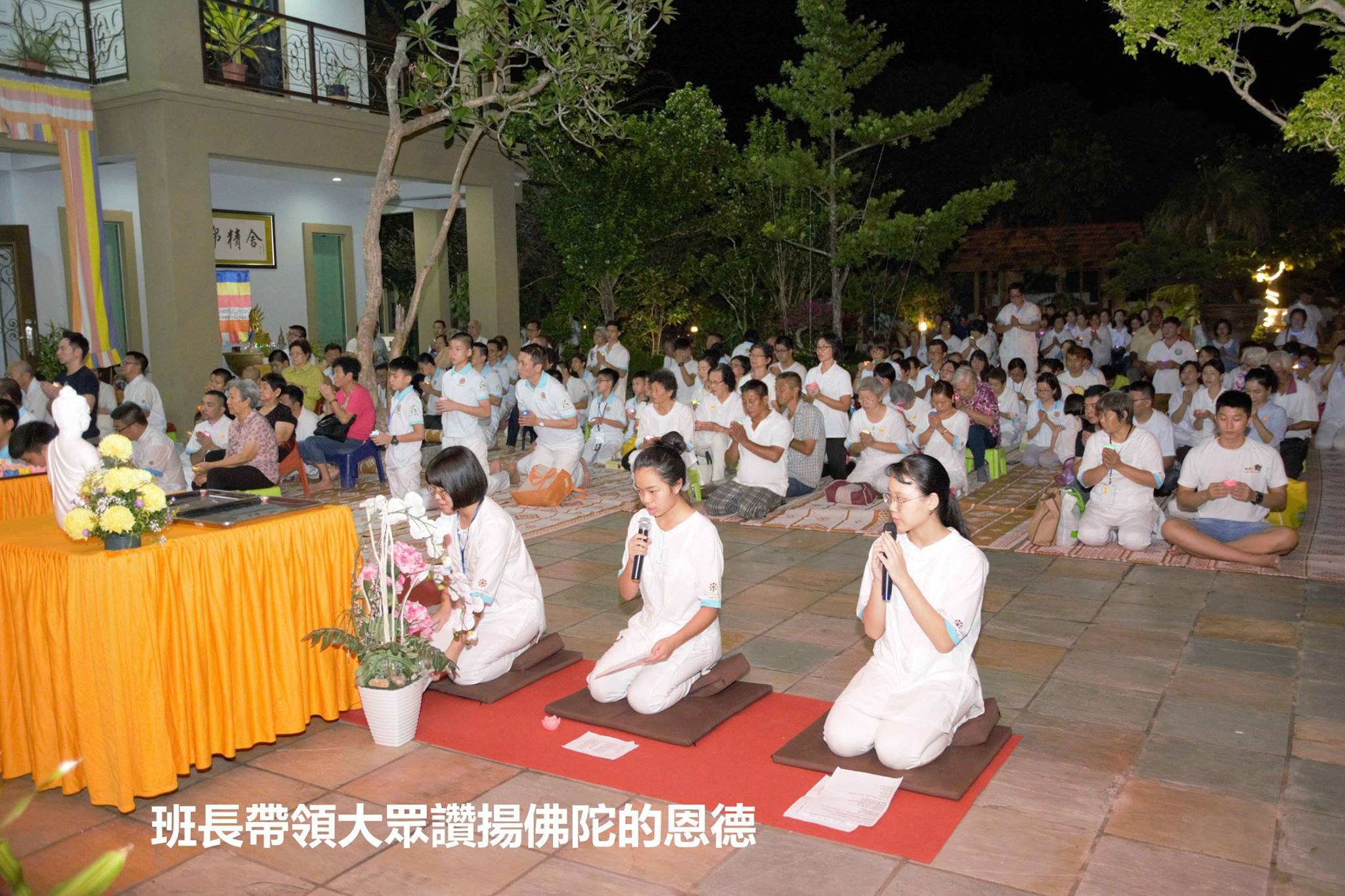
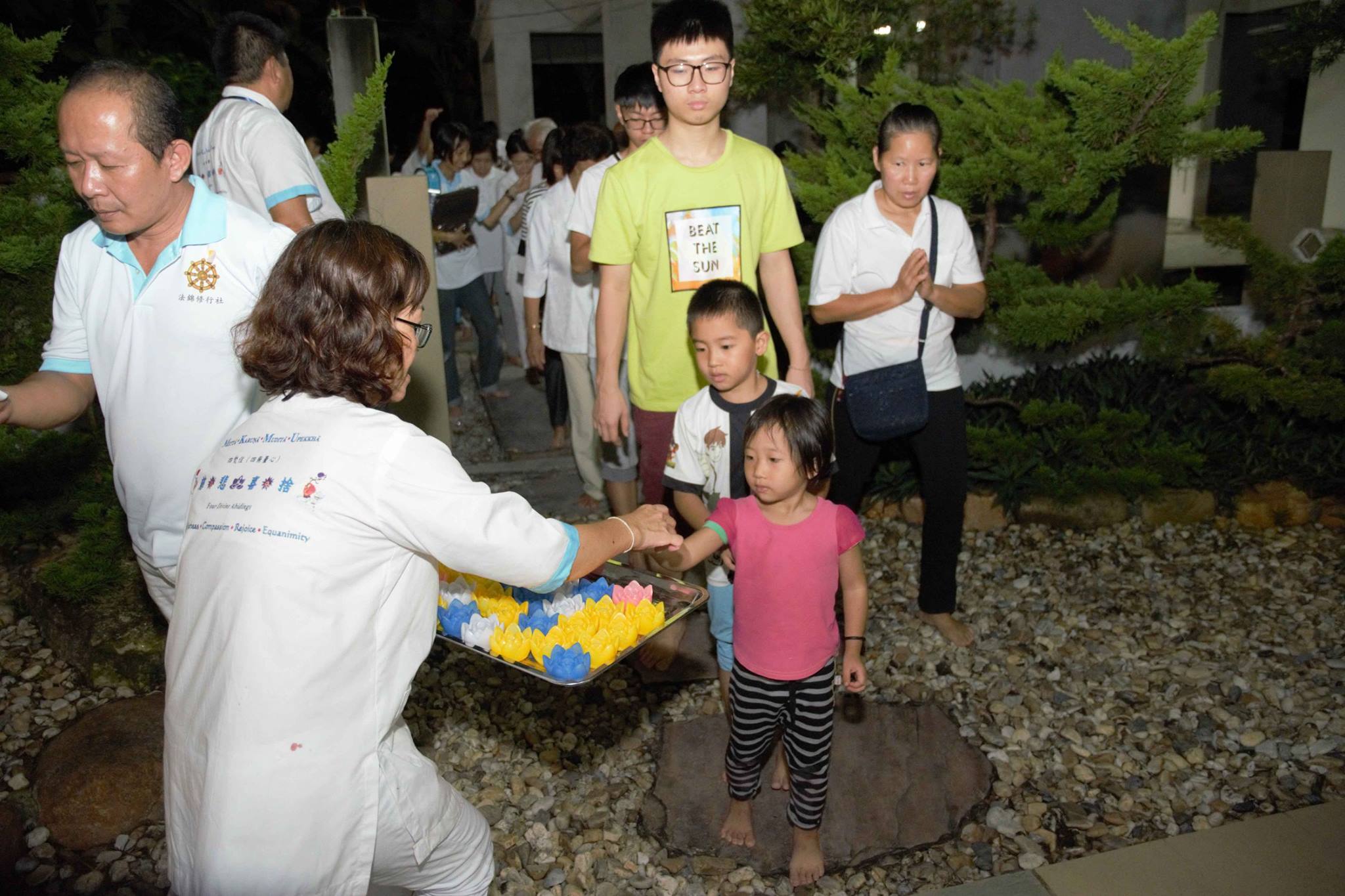
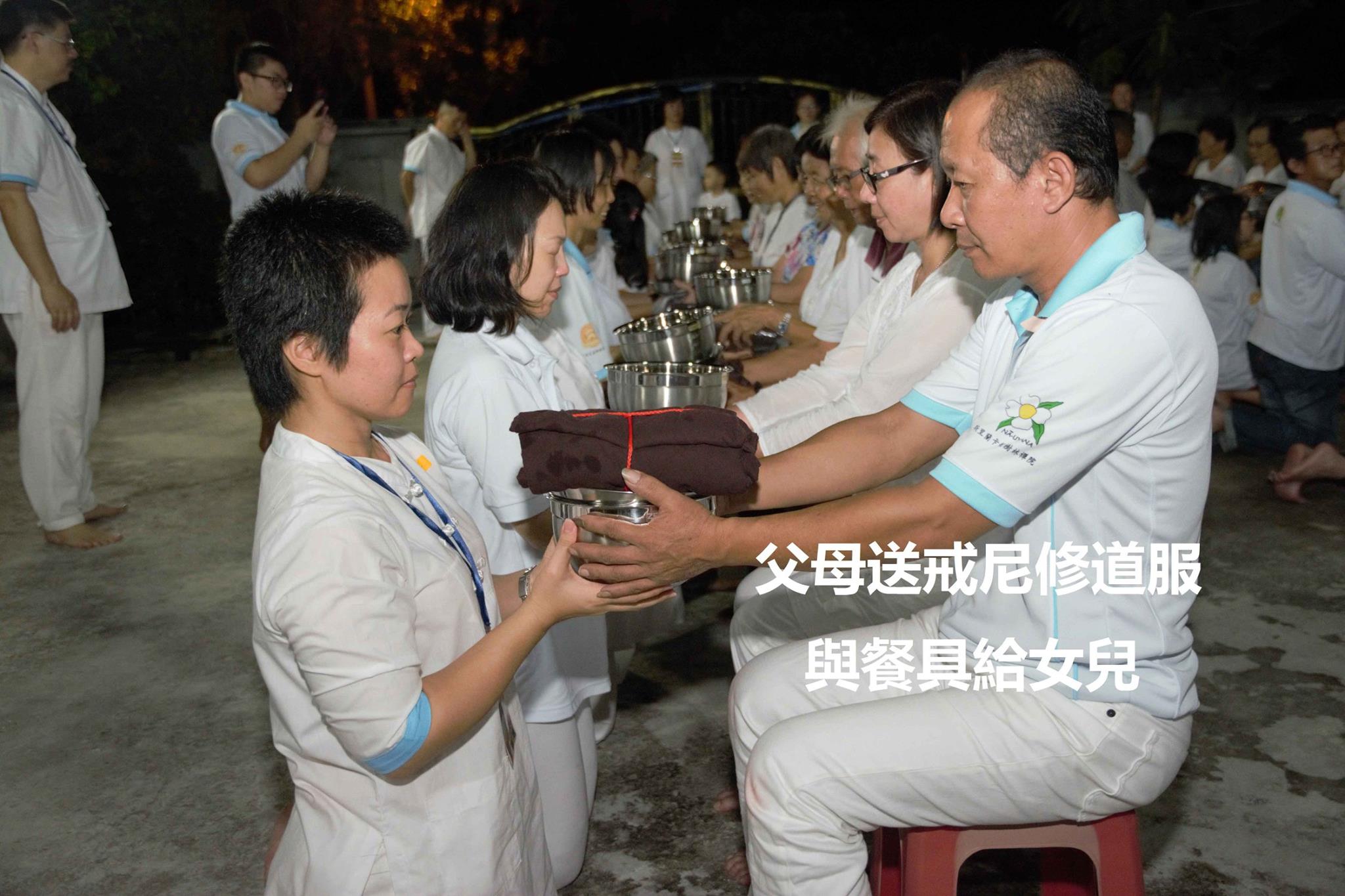
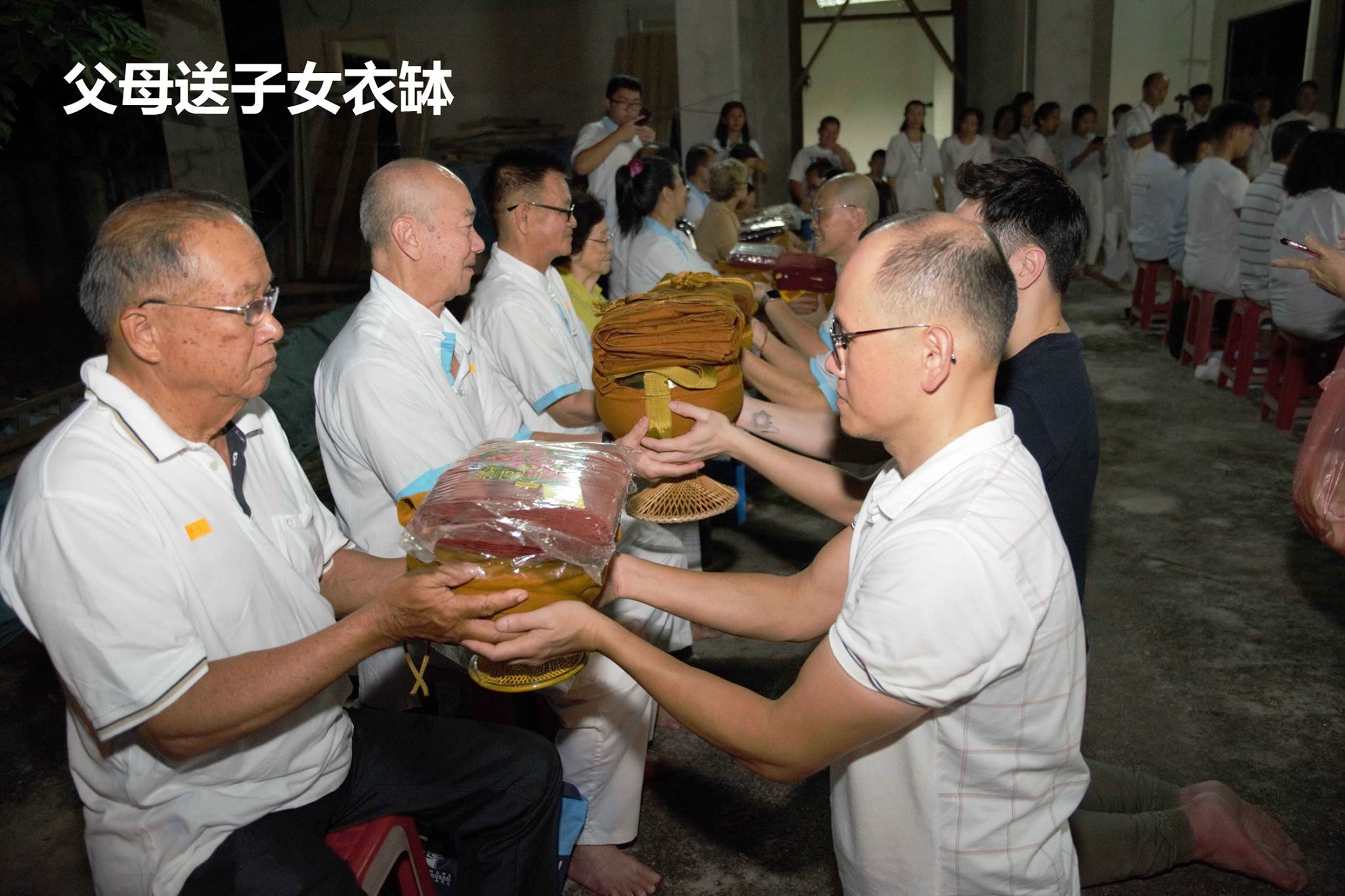
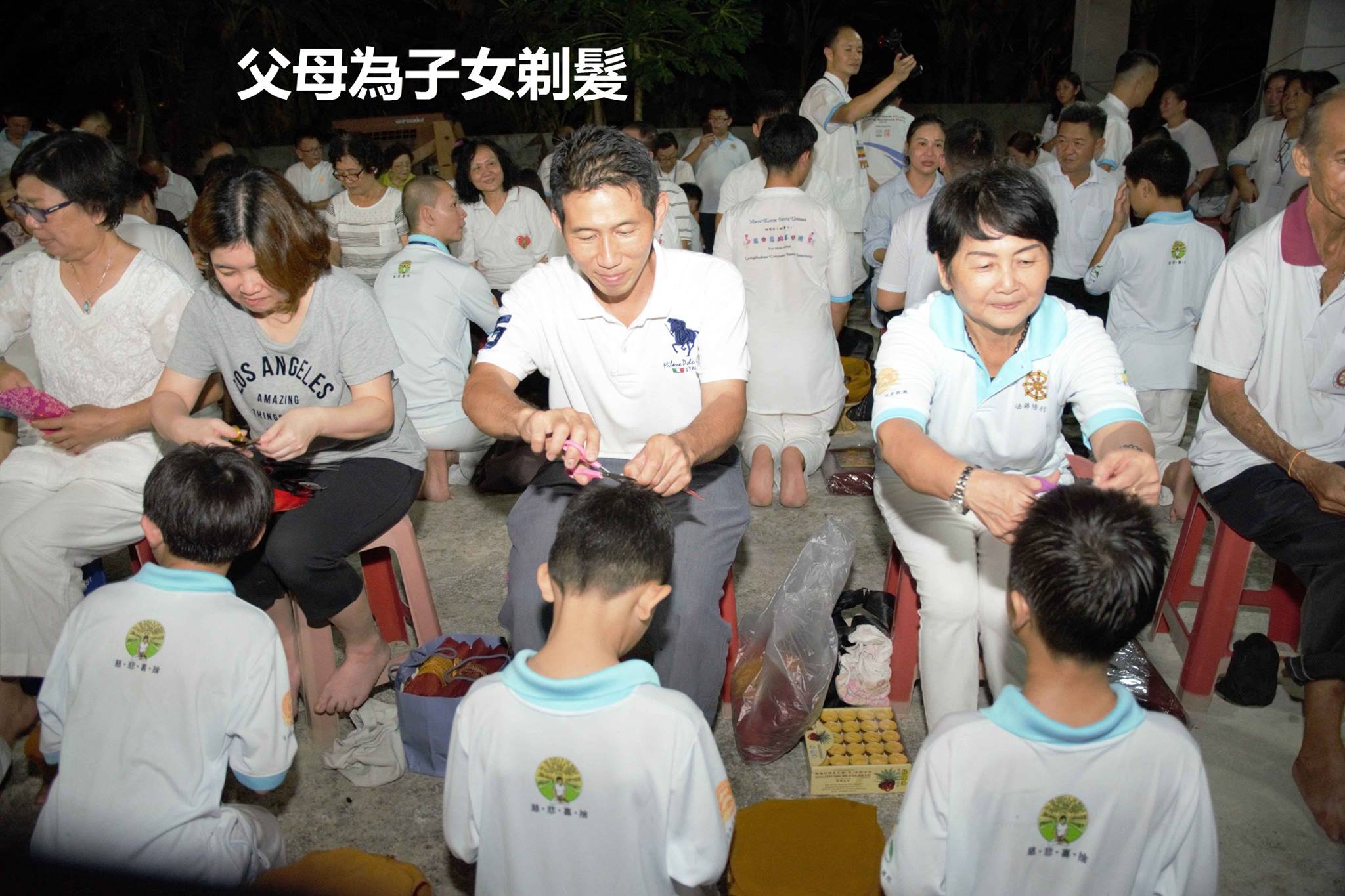
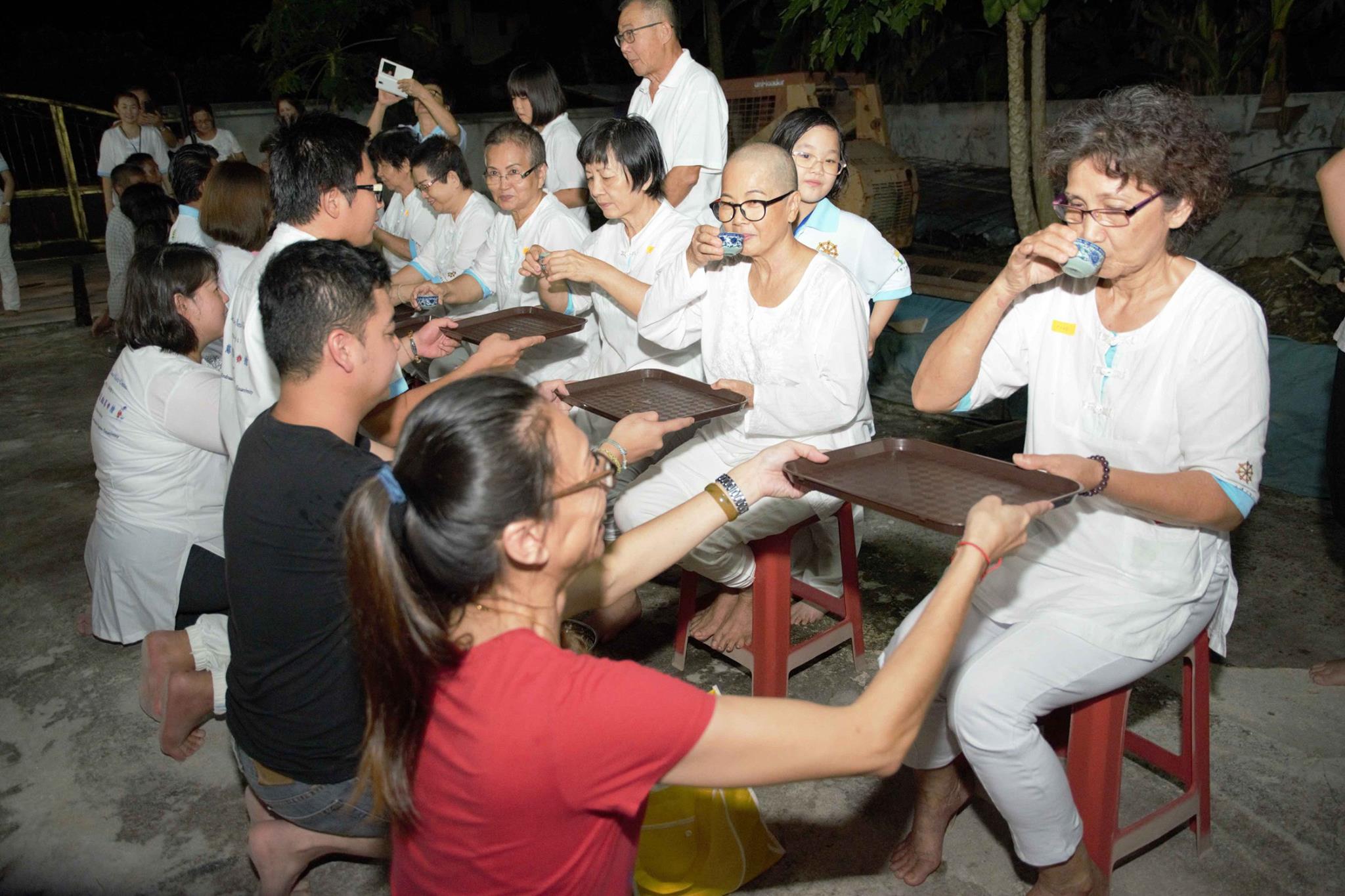
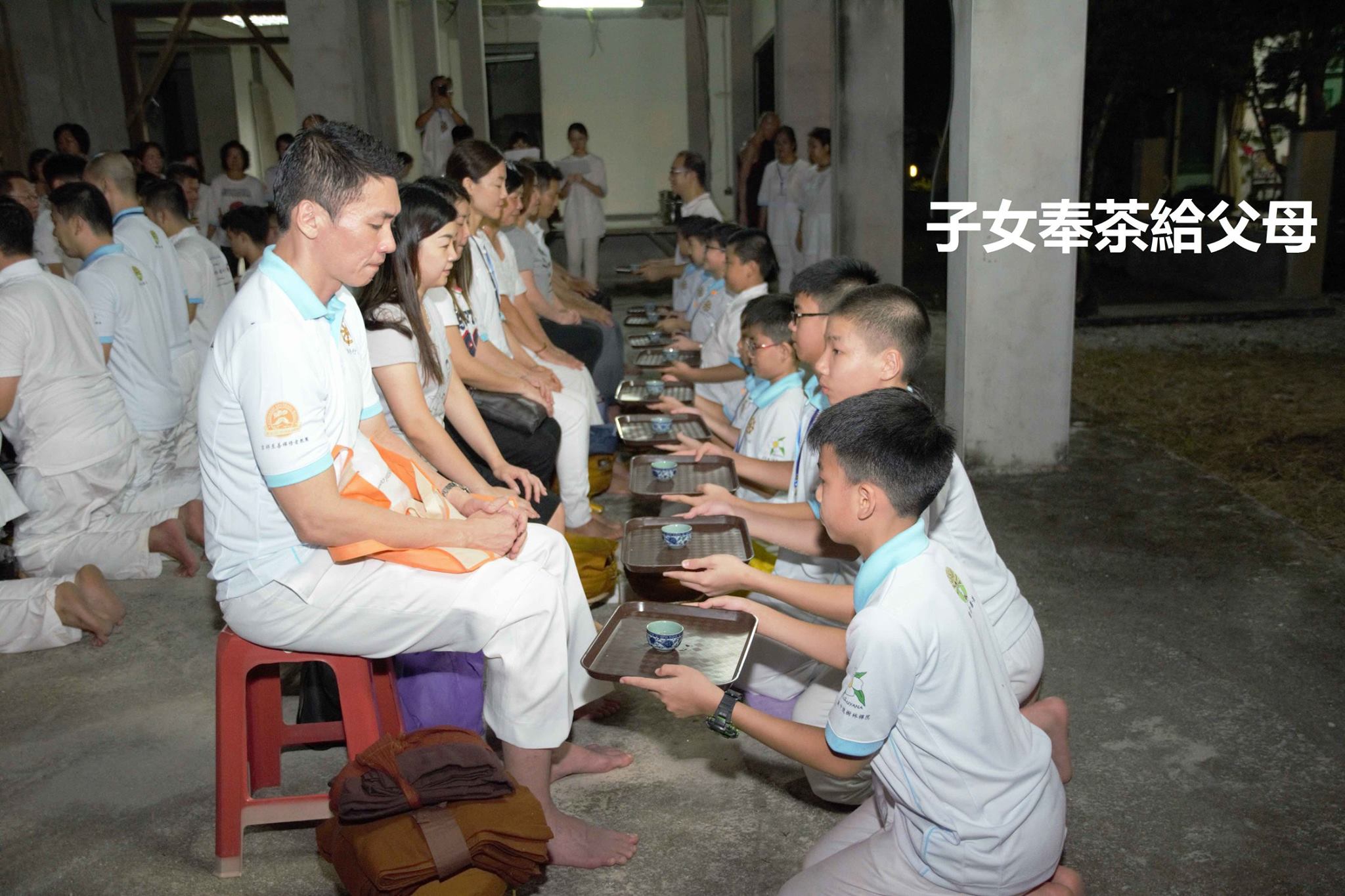
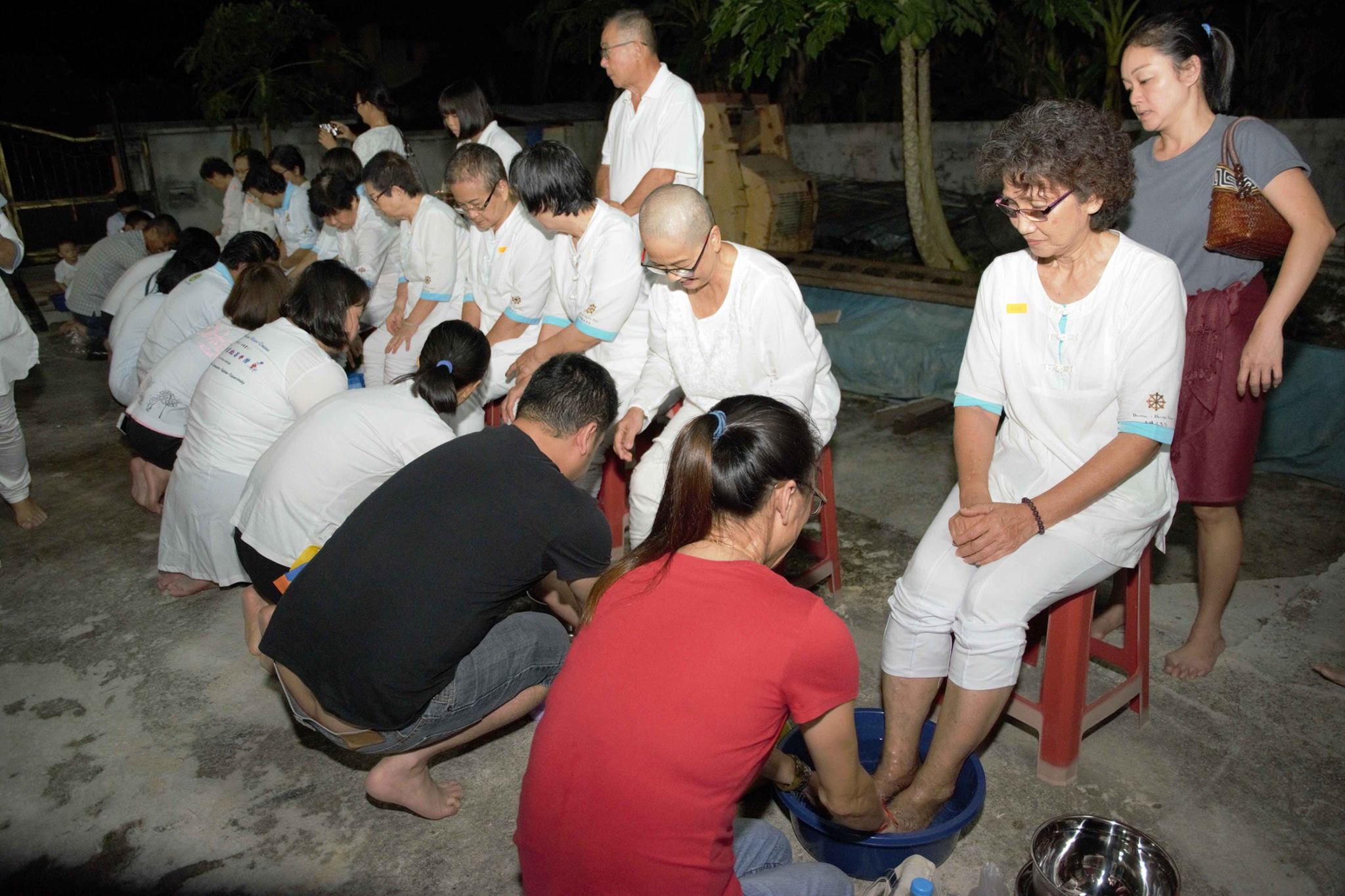
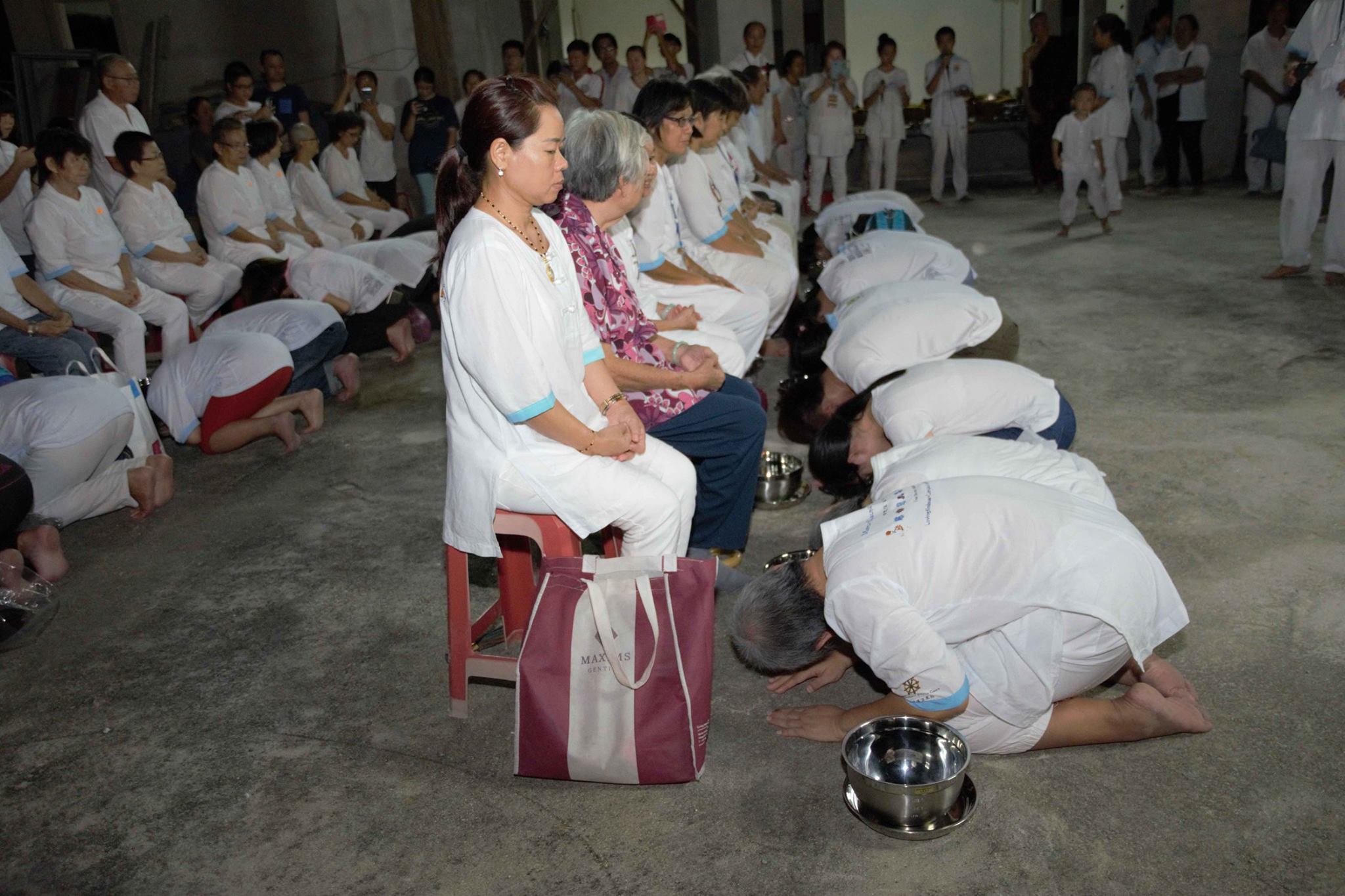
May 20, 2018 – Filial Piety and Gratitude Practice Session (Parent-Child Educational Activities & Ordination Ceremony for Children)
The Buddhist Attitude and View on Filial Piety
"Among all virtues, filial piety is foremost"; "Filial piety is the root of virtue." In the 5,000-year tradition of Chinese culture, the practice of filial piety has a long and profound history. Filial piety is not only an excellent tradition within Buddhist culture but also a cherished virtue passed down through generations of the Chinese people—indeed, it forms the very foundation of Chinese ethics and morality. From well-known stories of filial children to the well-known Confucian classics, respecting and caring for one's parents, as a fundamental moral code, has always influenced the character development of every Chinese person. Since the introduction of Buddhism to China, traditional filial culture and Buddhist filial piety have mutually influenced and integrated with each other. Throughout history, the exemplary filial conduct of eminent monks and great practitioners—stories that moved heaven and earth—have dispelled the worldly misconceptions that "becoming a monk is an unfilial act" or that "the Buddhist order rejects fatherhood." These stories instead demonstrate the perfect synthesis of traditional filial culture and Buddhist filial piety embodied in the lives of monastics.
In today's society, the issue of aging populations is becoming increasingly prominent, and the number of "empty-nest elderly" continues to rise. Caring for the elderly and carrying forward the tradition of filial piety have thus garnered growing attention and have become important elements in the current construction of a harmonious socialist society.
DhammaJātaDhamma Practice Society organizes and promotes filial piety and gratitude activities (parent-child activities / child ordination events), with the hope of disseminating the Buddhist culture of filial piety. At the same time, we appeal to the public to inherit and carry forward the Chinese tradition of honoring parents and reverently remembering one's ancestors. We call for a revival of the traditional culture of filial piety, foster a social atmosphere of filial gratitude, and contribute to the promotion of social harmony.
The Buddha said: In every household, there are two heavenly beings (Brahmās)—our own beloved parents. How then should we practice filial piety toward our parents? Filial piety can be divided into worldly filial piety and transcendent (world-transcending) filial piety. For example:
Nourishing the parents' physical body – providing for their needs in terms of food, clothing, shelter, medicine, and daily necessities.
Nourishing the parents' heart/mind – offering them freedom from fear (the gift of fearlessness), giving them a sense of security, regularly caring for and visiting them, and fulfilling our own responsibilities so that they need not worry about our lives.
These two aspects are generally within the ability of most people and are the duty and obligation of children. As for worldly filial piety, there is also:
Nurturing the parents' virtue – guiding and encouraging them to perform good deeds and accumulate merit.
Nurturing the parents' spiritual wisdom – enabling them to associate with the wise, hear the true Dharma, and practice in accordance with the Dhamma.
Regarding transcendent filial piety, we should encourage our parents to abstain from all evil, to cultivate all good, and to purify their own minds (through the practice of serenity and insight meditation). Going a step further, we should encourage our parents to also study Buddhism and engage in meditation, allowing them to experience the joy of inner peace. If, as children, we can repay our parents in this way—by enabling them to learn the Buddha's teachings, transcend suffering, find true happiness, and attain the genuine benefits and blessings of the Dharma—this is transcendent filial piety.
In Buddhism, filial piety is often categorized into three levels: small filial piety, medium filial piety, and great filial piety:
Small filial piety is the first type of worldly filial piety mentioned above—providing material support to our parents so that their basic needs are met.
Medium filial piety is bringing honor to one's family and ancestors. This means becoming great scientists, great entrepreneurs, or accomplished individuals in various fields, bringing glory to one's country and adding luster to one's parents' names.
Great filial piety is the supreme filial piety in Buddhism—becoming a monastic. The ultimate purpose of repaying one's parents' kindness is to guide them to study and practice the Buddha's teachings, enabling them to be free from suffering, attain true happiness, and realize ultimate liberation. Therefore, the filial piety taught in Buddhism is the highest form of filial piety; it is even greater and more profound than worldly filial piety.
Finally, let us remind and encourage all Buddhist practitioners to begin their spiritual cultivation with the most fundamental aspects of human conduct. The Buddha's teachings place great emphasis on filial piety, starting with honoring one's own parents. Let us join hands in promoting the spirit of Buddhist filial piety and correcting the misconceptions of society that Buddhist practitioners do not value filial piety.







1 / 21