
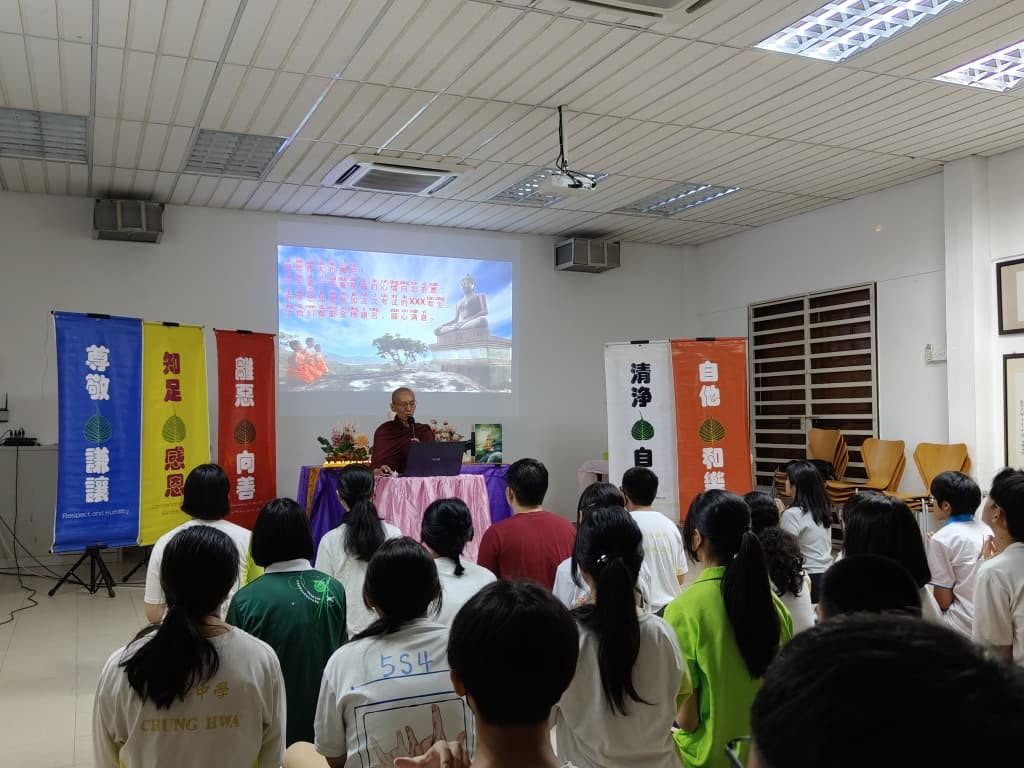
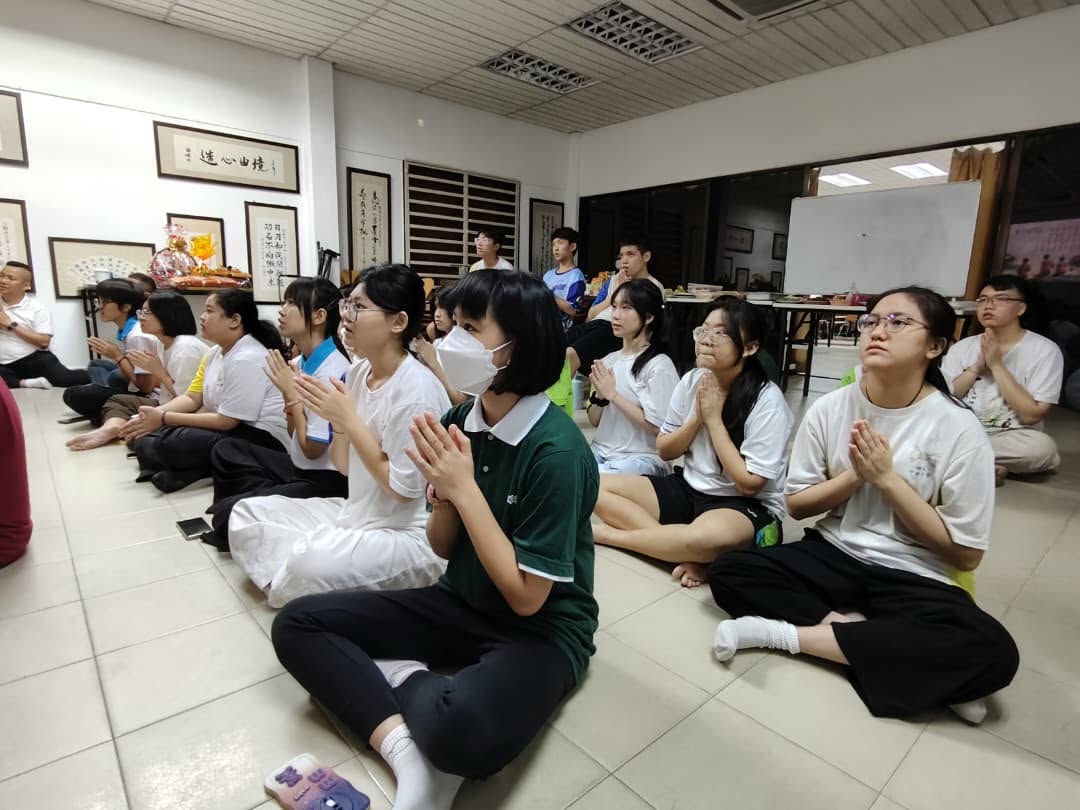
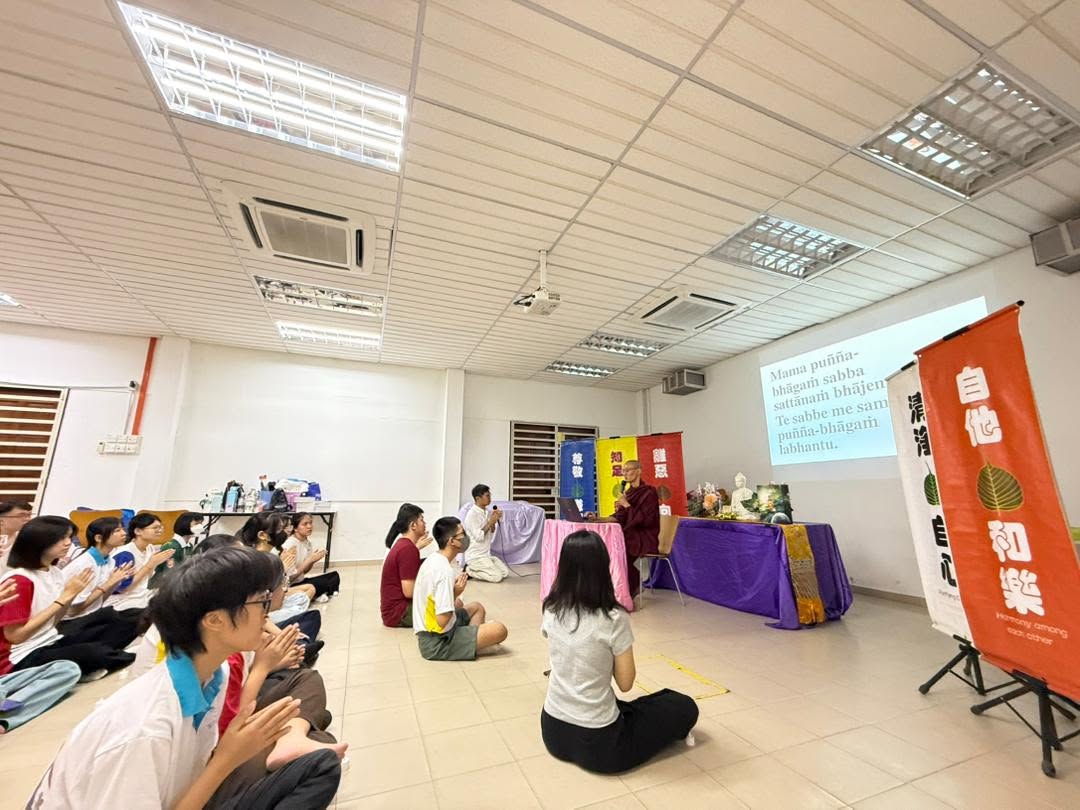
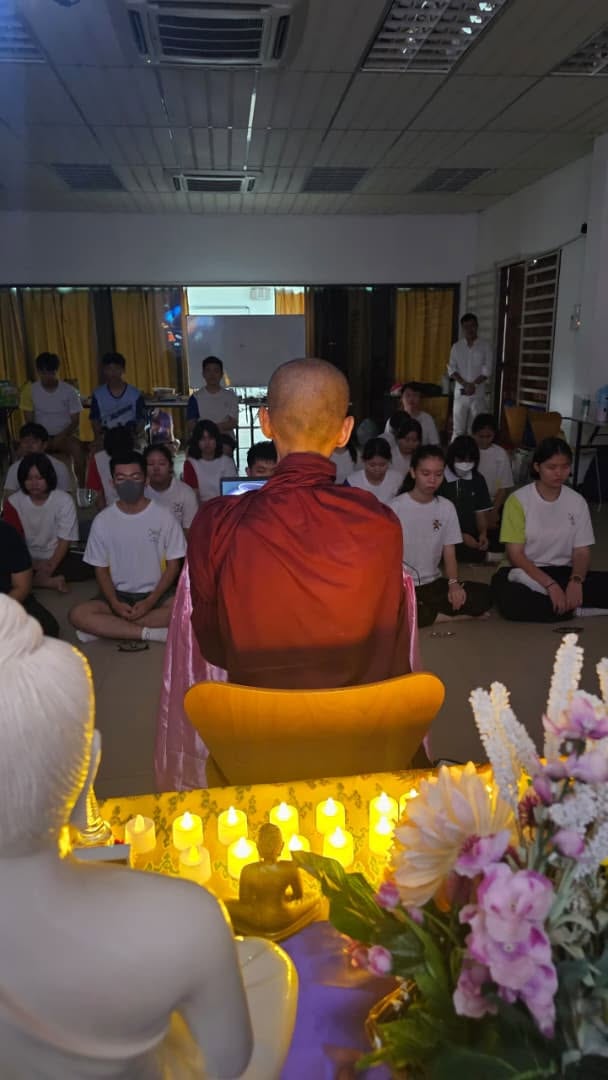
Secondary School Dhamma Study – Building a Foundation for Academic Stability, Character Development, and Life Direction
The secondary school years represent the most critical period of physical and mental development in a person's life. During this stage, adolescents face increasing academic pressure, frequent emotional fluctuations, and rapidly forming self-identity. They are full of anticipation for the future, yet often accompanied by confusion and anxiety. Without proper mental guidance during this phase, they are easily swayed by external circumstances, affecting their learning, character, and life trajectory.
The Dhamma is an education that cultivates a clear mind and sound character. Introducing Dhamma study at the secondary level is not about religious indoctrination, but about learning how to understand oneself, manage emotions, regulate behaviour, and establish correct values.
Dhamma Study Enhances Concentration and Learning Efficiency
The Dhamma emphasises mindfulness and awareness. Through simple and stable training of body and mind — such as resting with the breath and observing the body and mind — secondary school students can gradually develop:
The ability to focus without distraction in their studies
The steadiness to remain undisturbed by mobile phones, emotions, and external circumstances
A stable mindset when facing exams and academic pressure
The Aṅguttara Nikāya states:
"One whose mind is tamed gains great happiness."
When the mind is not scattered, learning naturally becomes more effective, and understanding and memory improve accordingly.
Dhamma Study Helps Adolescents Regulate Emotions and Establish Healthy Mental States
Adolescence is often accompanied by anxiety, irritability, low self-esteem, anger, and other emotions. The Dhamma teaches us to observe emotions as they are — neither suppressing nor indulging them — helping students understand that:
Emotions arise due to conditions; they are not the entirety of "me"
One need not be carried away by momentary anger, sadness, or frustration
To respond to interpersonal issues with wisdom rather than impulse
This not only reduces conflicts and psychological distress at school but also helps build self-esteem, self-discipline, and a sense of inner security.
Dhamma Study Guides Secondary Students in Developing Correct Character and Values
The Dhamma is founded on the threefold training of Virtue (Sīla), Concentration (Samādhi), and Wisdom (Paññā). Among these, "Virtue" is not a restriction but a guide for adolescents to:
Distinguish right from wrong, cultivating a sense of responsibility
Respect parents, teachers, and peers
Avoid behaviours that harm themselves and others
In an era of diverse values and numerous temptations, studying the Dhamma helps students establish a life stance that does not follow the crowd or lose direction.
Dhamma Study Provides a Clear and Long-term Direction for Life
The Buddha taught the principles of cause and effect (kamma), impermanence, and responsibility, enabling students to understand that:
Today's efforts determine the results of the future
Success lies not only in grades but in character and wisdom
The value of life lies in benefiting oneself and others, and perfecting one's own mind
If seeds of right view and wholesome conduct are planted during the secondary school years, one can remain grounded and steady wherever life may lead in the future.
Conclusion
Studying the Dhamma in secondary school is not about escaping reality, but about facing it with greater wisdom. It is not an added burden, but a source of inner strength that will serve students for a lifetime.
May secondary school students, nourished by the Dhamma, achieve academic stability, sound character, and a bright and meaningful life.
Buddha Sāsanaṃ Ciraṃ Tiṭṭhatu.
May the Buddha's Dispensation be Prolonged.
"Sabbe Sattā Bhavantu Sukhitattā."
May all beings be Well & Happy. 🙏🙏🙏












1 / 16