
【Benefits for the Children】
1. Planting Wholesome Roots, Sowing Seeds of Liberation
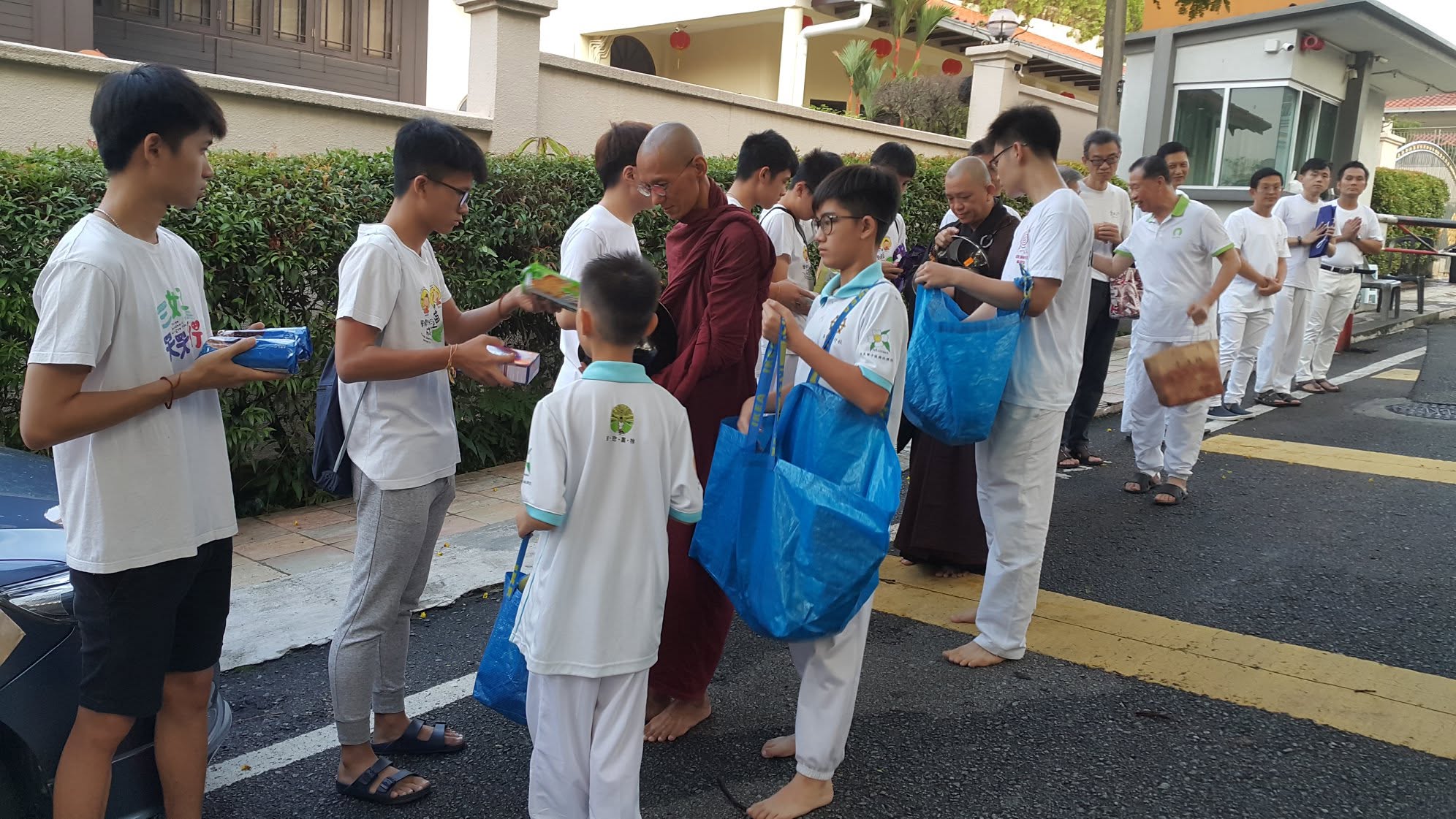
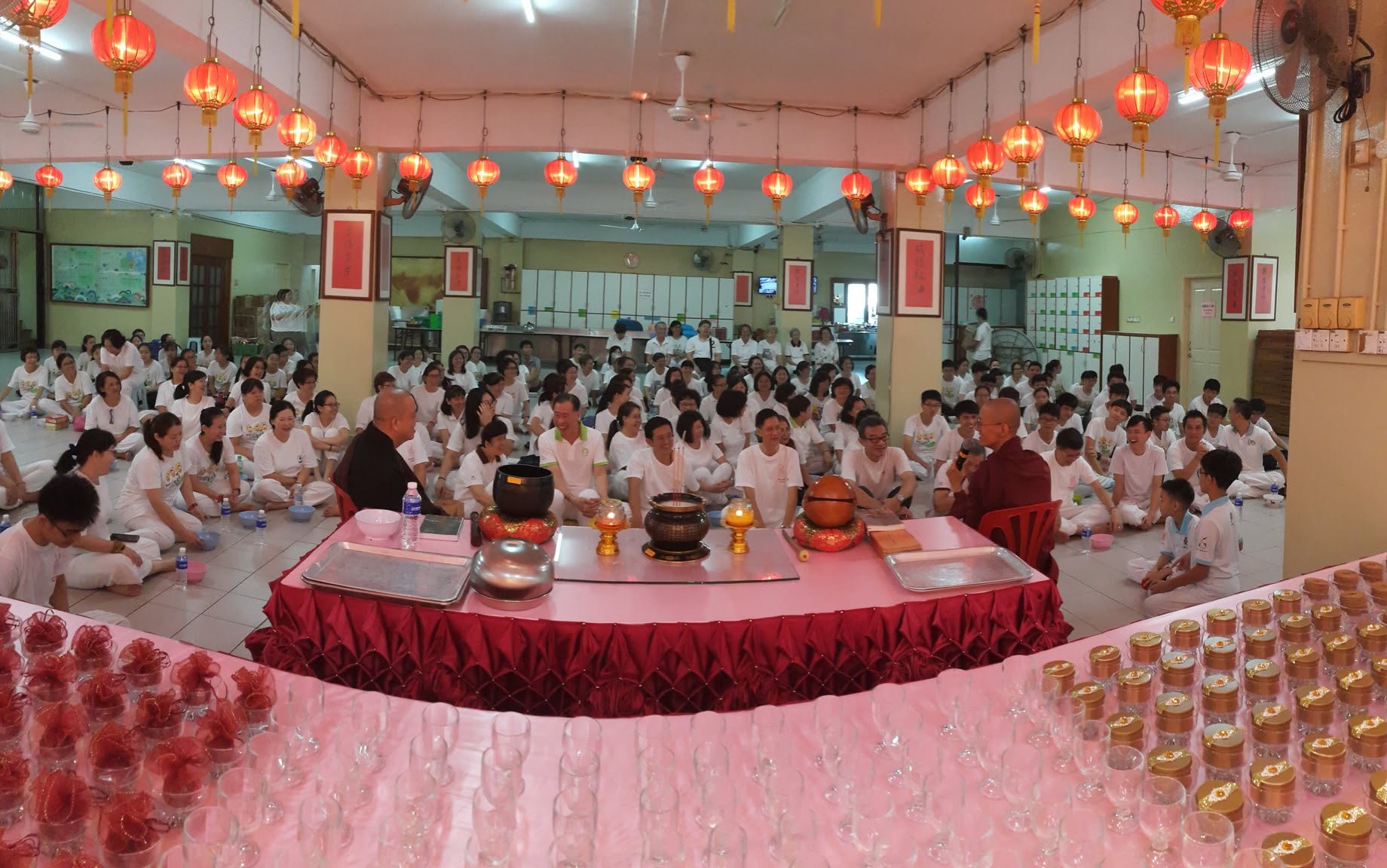
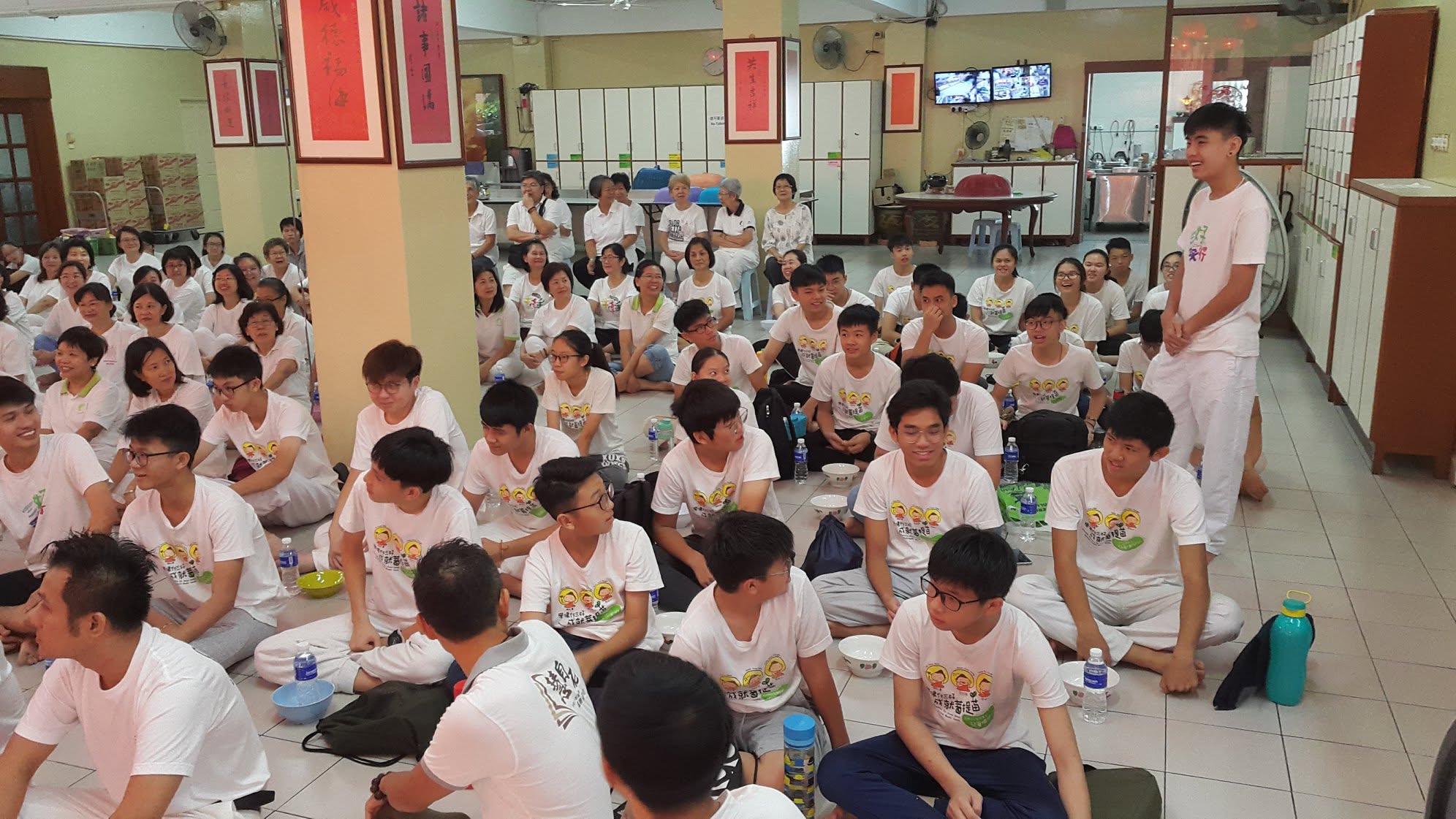
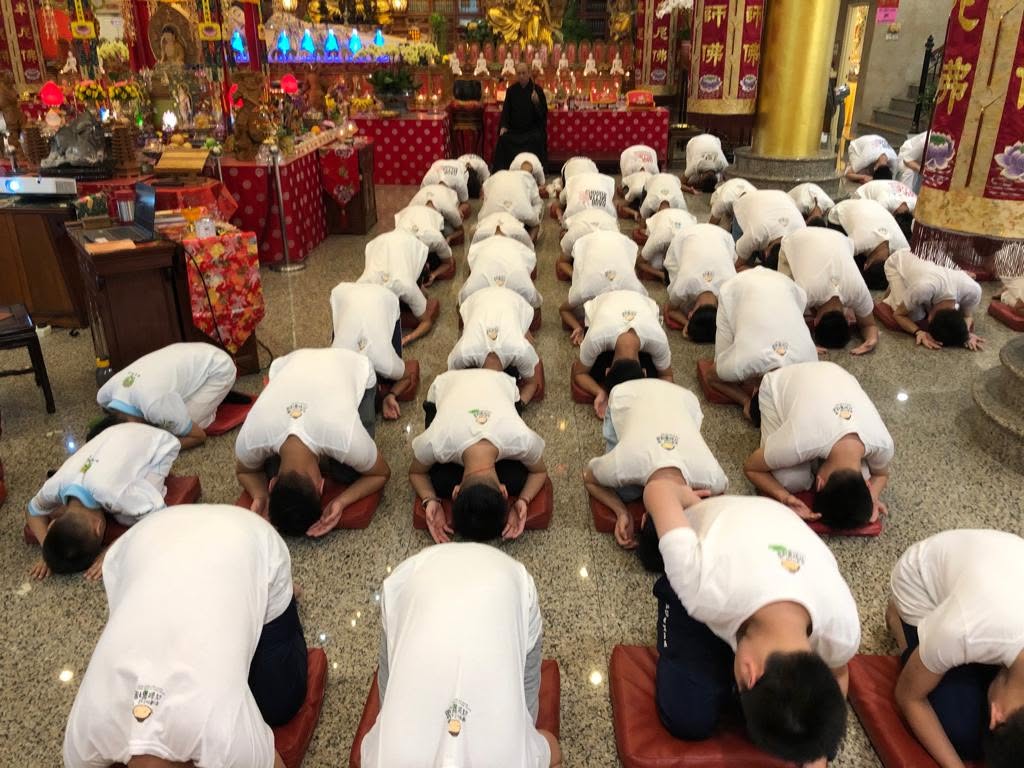
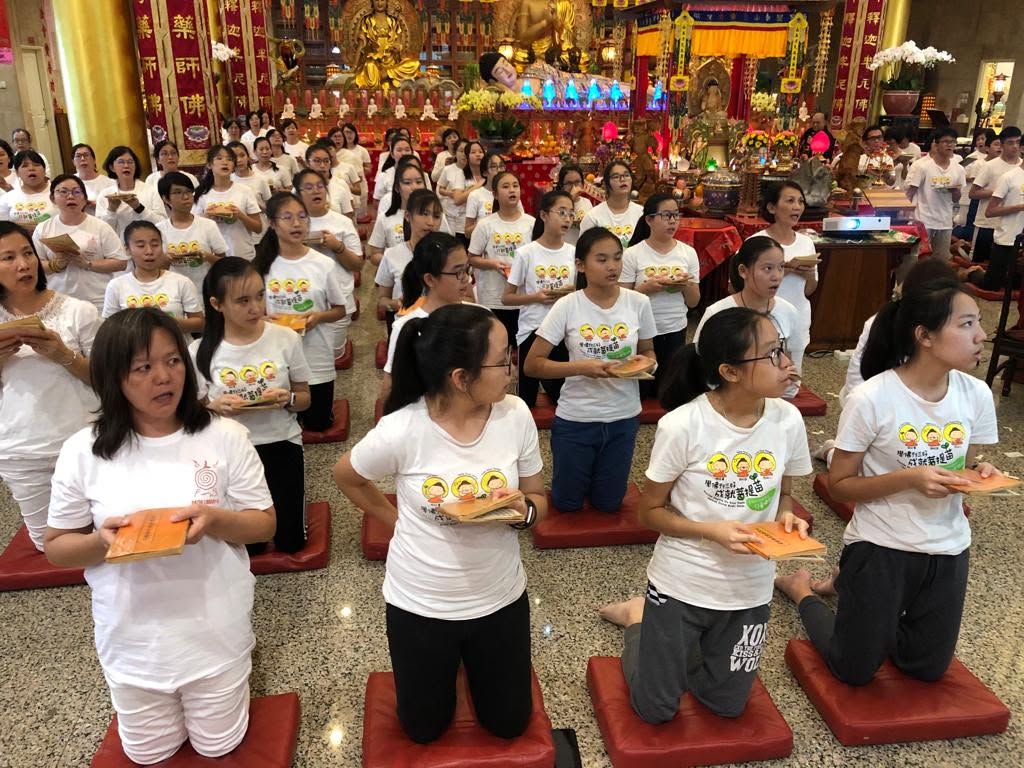
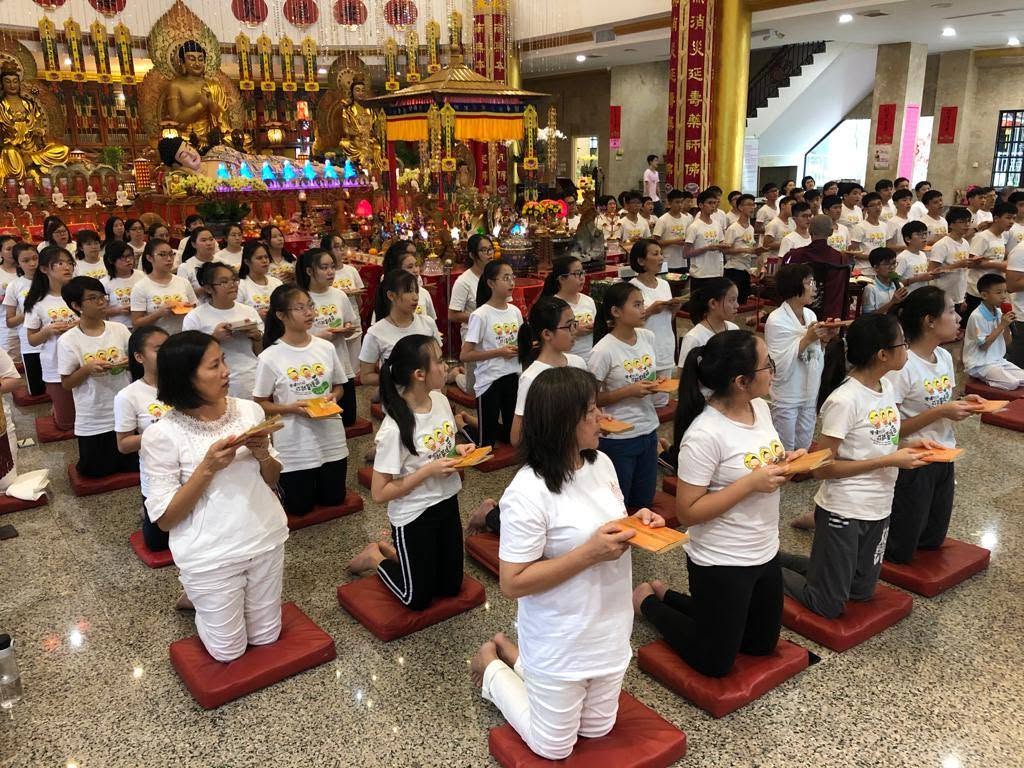
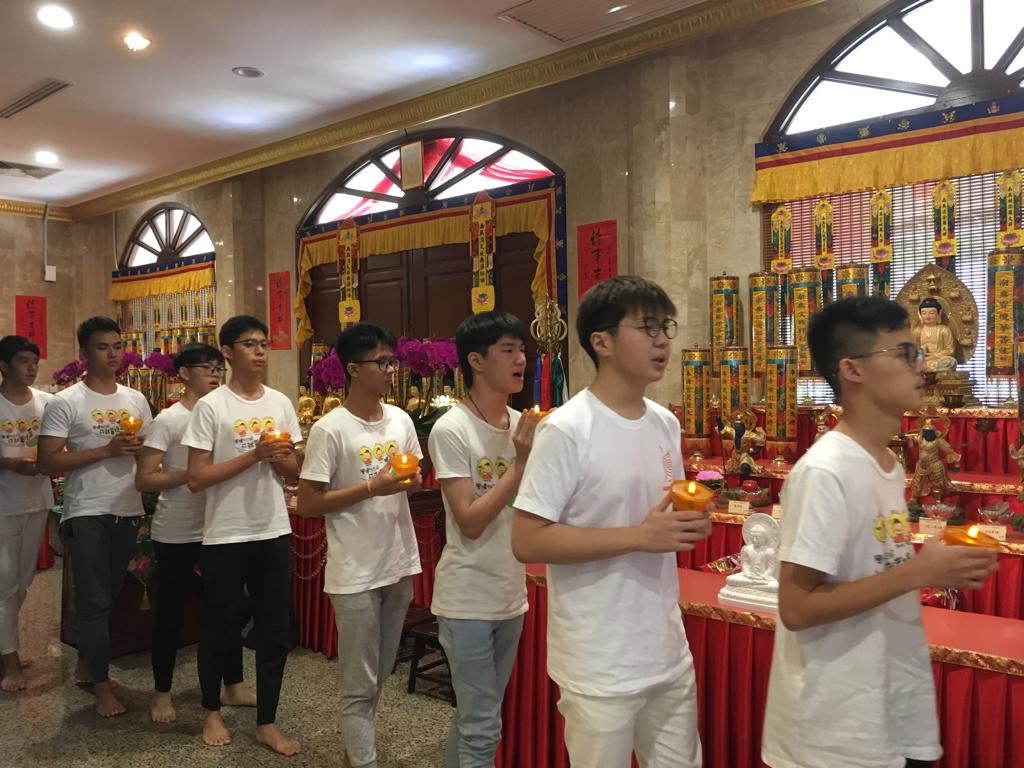
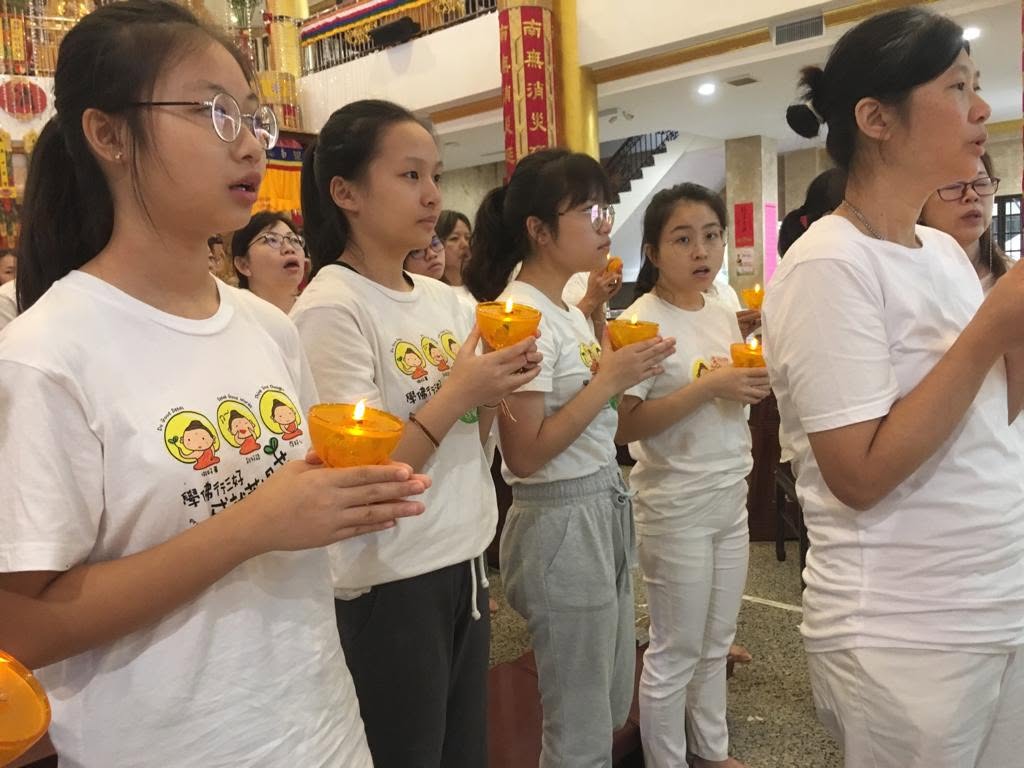
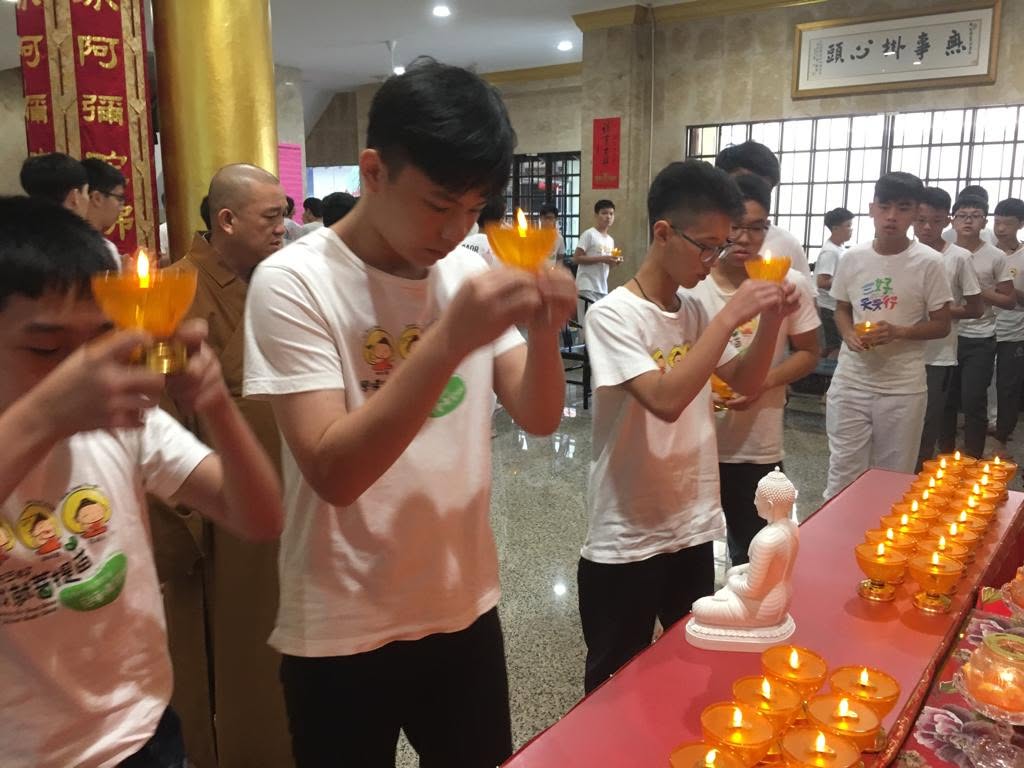
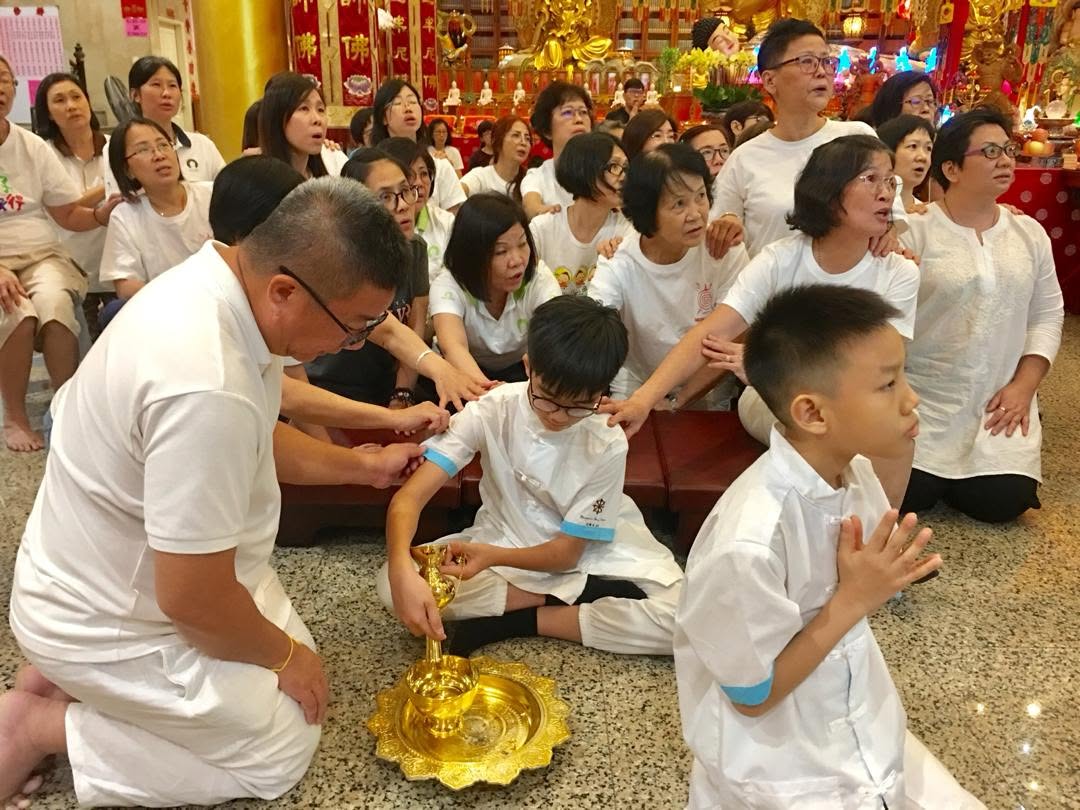
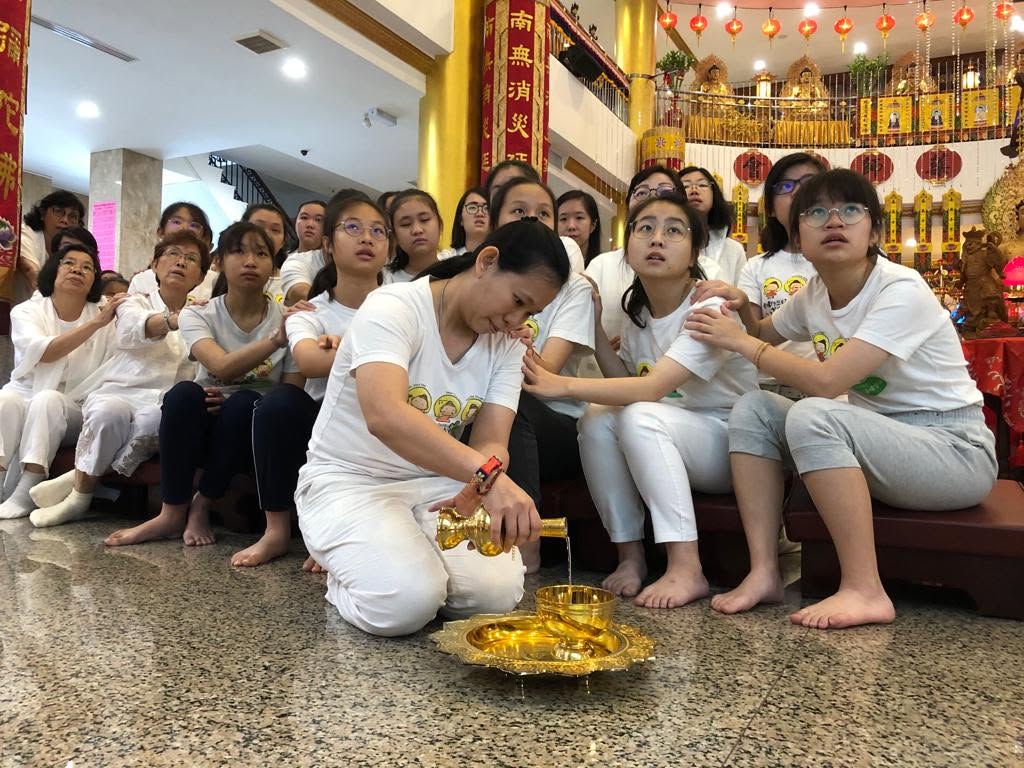
Involving children in supporting the alms-round allows them to draw near to the Triple Gem through body, speech, and mind. The Buddha taught: "If a person with a distracted mind offers even a single flower to a Buddha image, they will gradually see countless Buddhas." Even a single reverent thought or a simple act of respect during the alms-round becomes a seed for future enlightenment. Children thus form a direct connection with the Triple Gem, planting the cause for liberation in lives to come.
2. Cultivating Reverence and Humility
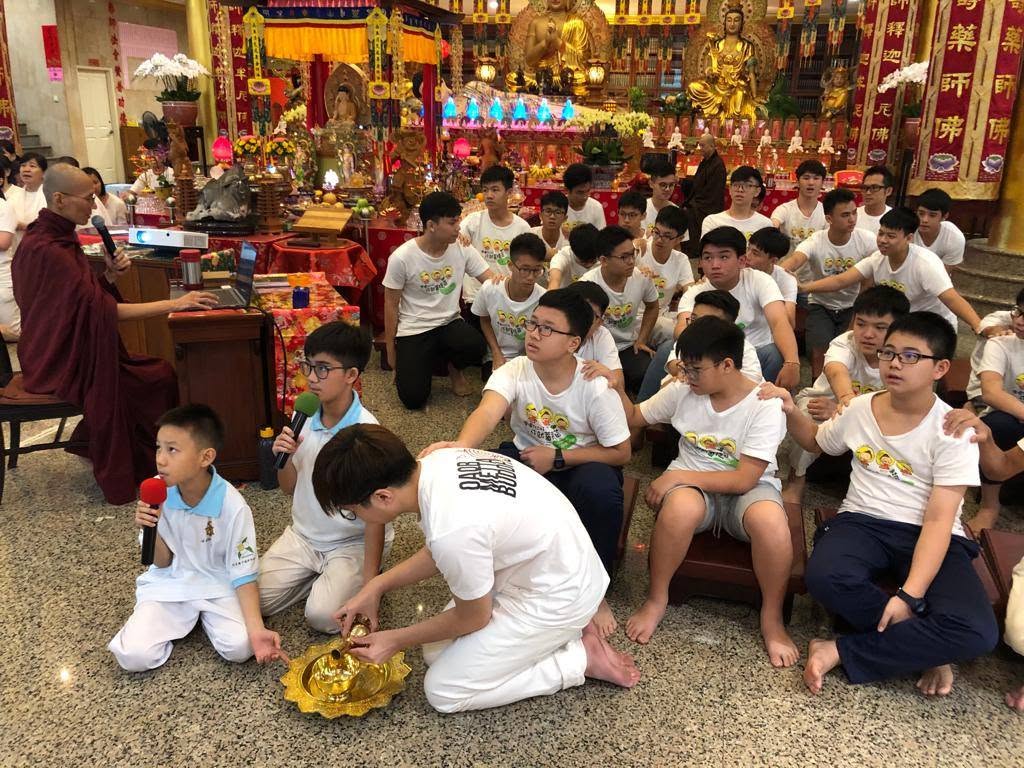
The alms-round is a practice through which the Sangha humbles pride. When children witness the monastics walking barefoot, collecting alms with serene dignity, and respond with reverent palms-together respect, the impact can leave a lasting impression. This fosters qualities of respect toward elders and humility toward others.
3. Learning Gratitude and Contentment
The alms-round is not merely an act of giving — it is an opportunity for education. Through offering, children learn to be grateful for the good fortune that allows them to give, and to appreciate the opportunity offered by the Sangha to plant the field of merit. Seeing the monastics live simply and contentedly, children may pause to reflect: "Do I really need so much?" This reduces greed and teaches them to cherish what they have.
4. Developing Focus and Mindfulness
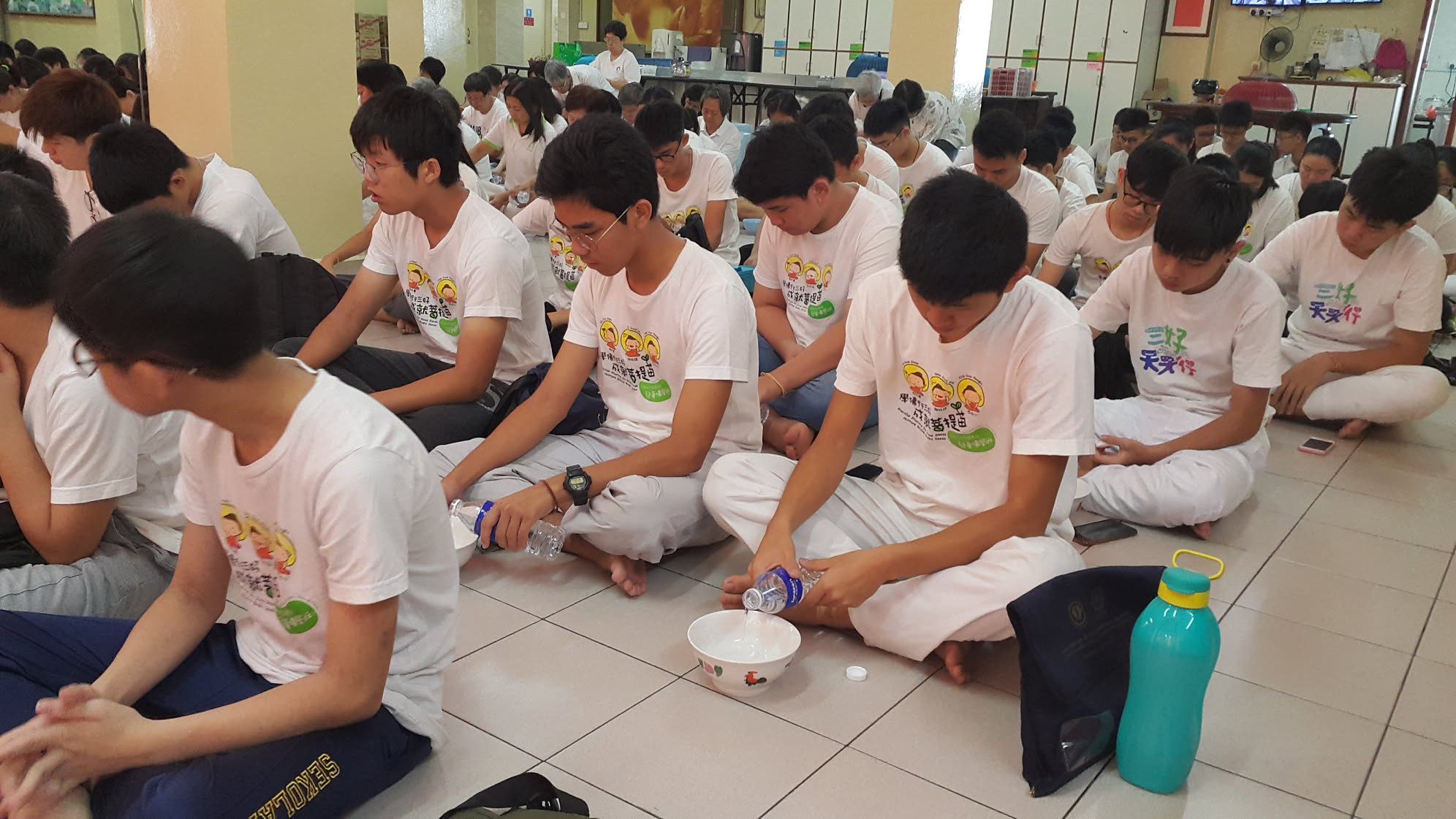
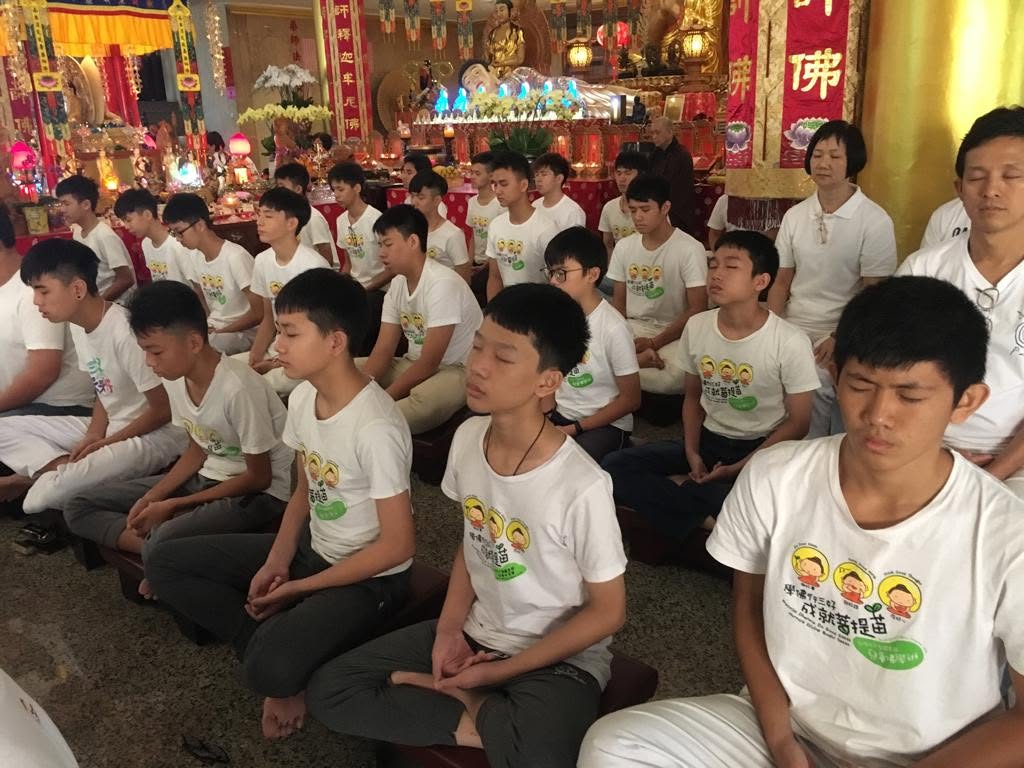
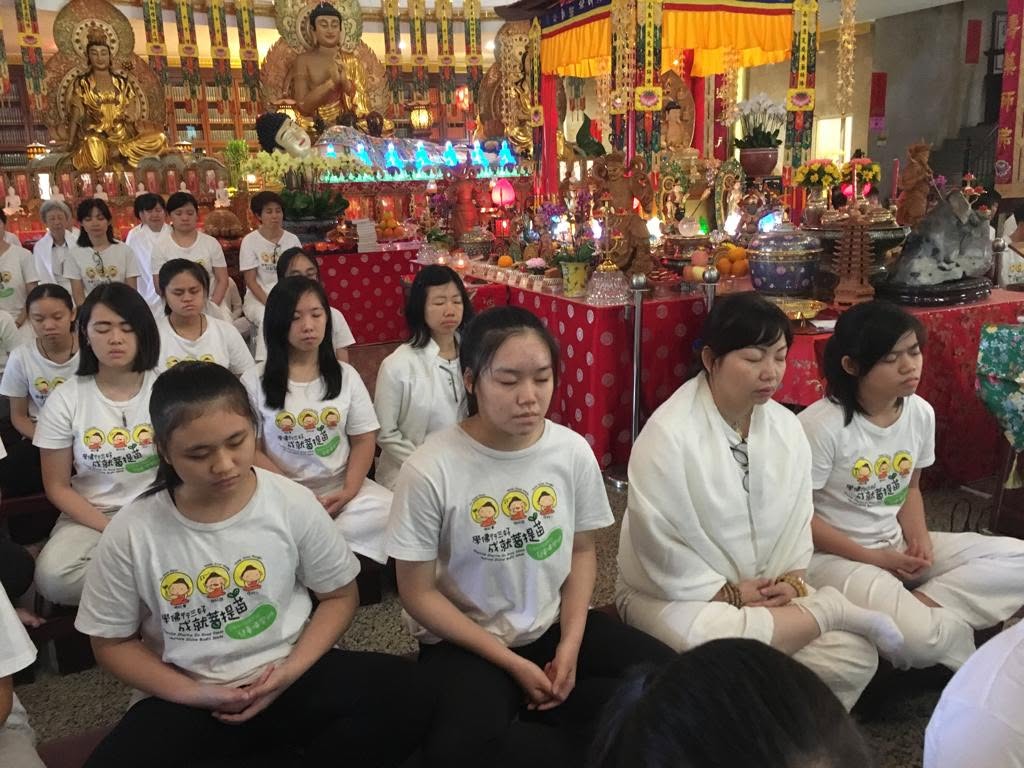
During the alms-round, children need to be attentive to their conduct, posture, and the care with which they make their offerings. This training in mindfulness can support their studies and benefit their future lives.
5. Building Self-Confidence and a Sense of Responsibility
When children participate in supporting the Sangha, they experience a sense of purpose: "I am useful," "I am helping the Buddhist community." This sense of achievement and responsibility helps build a healthy self-worth, steering them away from negative influences.
【Benefits for Society】
1. Elevating Social Morality
Children are the future of society. When children learn reverence, gratitude, generosity, and contentment, they are less likely to engage in stealing, cheating, or harming others. As more children embody these qualities, the aggression in society decreases, and harmony increases.
2. Promoting Family Harmony and Social Stability
A child who learns the Dhamma will respect and care for parents, teachers, and friends. When more children develop these qualities, family relationships become harmonious, and social order improves. As the Sigālovāda Sutta teaches, children should honor their parents in five ways, and parents in turn should love and care for their children. Such relationships are the bedrock of a stable society.
3. Spreading Positive Energy and a Virtuous Cycle
One child who supports the alms-round may inspire parents to explore the Dhamma, or friends to follow suit — a virtuous cycle of light passing from lamp to lamp. Children's actions can encourage communities to respect the Triple Gem and foster a wholesome social atmosphere.
【Benefits for Buddhism】
1. Sustaining the Sangha Community
The Sangha is the living embodiment of the Buddha's teachings. Without lay support, monastics cannot practice in peace. Nurturing children to support the Sangha ensures that the monastic community continues to receive offerings, practice peacefully, and perpetuate the lineage of the Dhamma.
2. Cultivating Future Dhamma Propagators
The children who participate in supporting the alms-round may grow up to become dedicated Buddhist youth, and some may even aspire to ordain as monastics. Today they stand reverently beside the alms-round; tomorrow they may themselves join the alms-round as bhikkhus. Supporting the alms-round is investing in the future of Buddhism.
3. Strengthening Harmony between the Sangha and the Laity
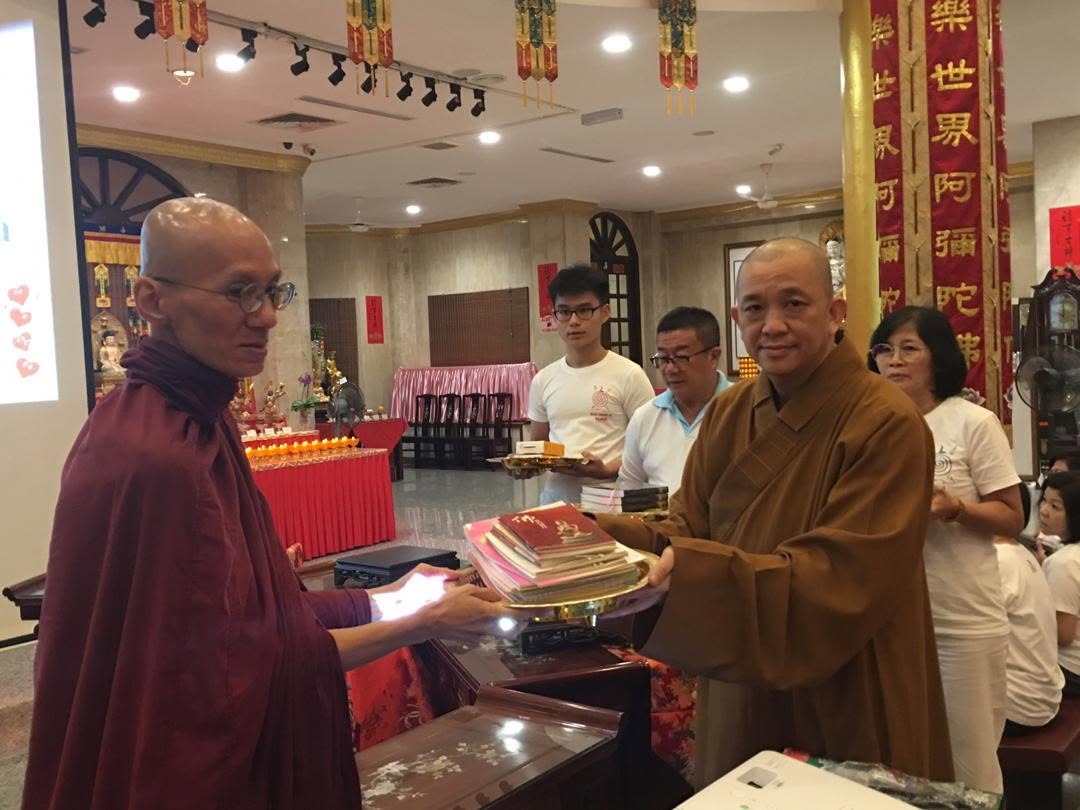
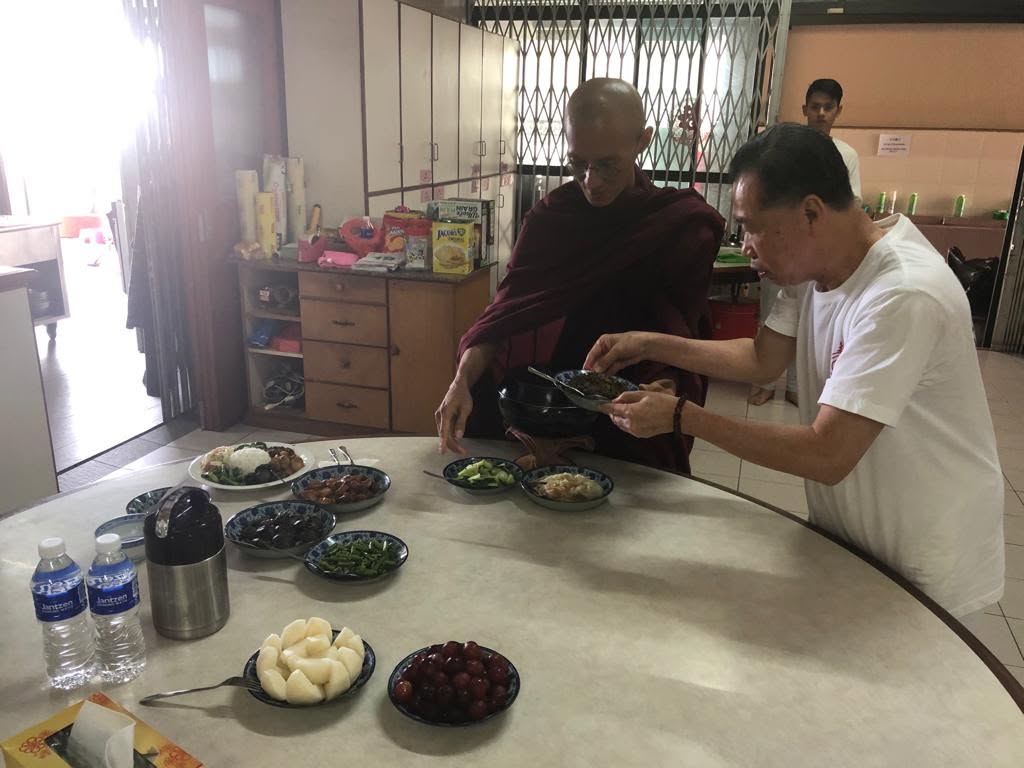
Through the alms-round, monastics and laity establish a direct and pure relationship. Children learn to support the Sangha in accordance with the Dhamma — offering pure food with a respectful heart, rather than money or unsuitable items. This maintains the purity of the Sangha and prevents laypeople from creating unwholesome kamma through inappropriate offerings.
4. Manifesting the "Worldly" Dimension of Buddhism
The alms-round is not a lofty ritual removed from life — it is a practice of walking among people and engaging with the world. Children who participate learn that "the Dhamma is not separate from the world" — it is present in every moment of daily life.
【Scriptural Support】
Dhammapada:
"If a person does wholesome deeds, let them do them again and again; let them delight in doing good; the accumulation of merit brings happiness."
Maṅgala Sutta:
"To be respectful and humble, content and grateful, and to hear the Dhamma at the right time — this is the highest blessing."
Sigālovāda Sutta:
"Parents are the eastern direction, teachers the southern, spouse the western, friends and relatives the northern, servants and workers the lower, and renunciants and brahmins the upper. When these directions are properly honored, the householder finds peace and happiness."
【Conclusion】
When a child supports the alms-round, they are not just performing a good deed — they are planting seeds for themselves, for society, and for the future of Buddhism.
This is the most precious gift we can give to a child, the greatest contribution to society, and the deepest offering to the Buddha's teachings.
Buddha Sāsanaṃ Ciraṃ Tiṭṭhatu.
May the Buddha's Dispensation be Prolonged.
"Sabbe Sattā Bhavantu Sukhitattā."
May all beings be Well & Happy. 🙏🙏🙏


1 / 22